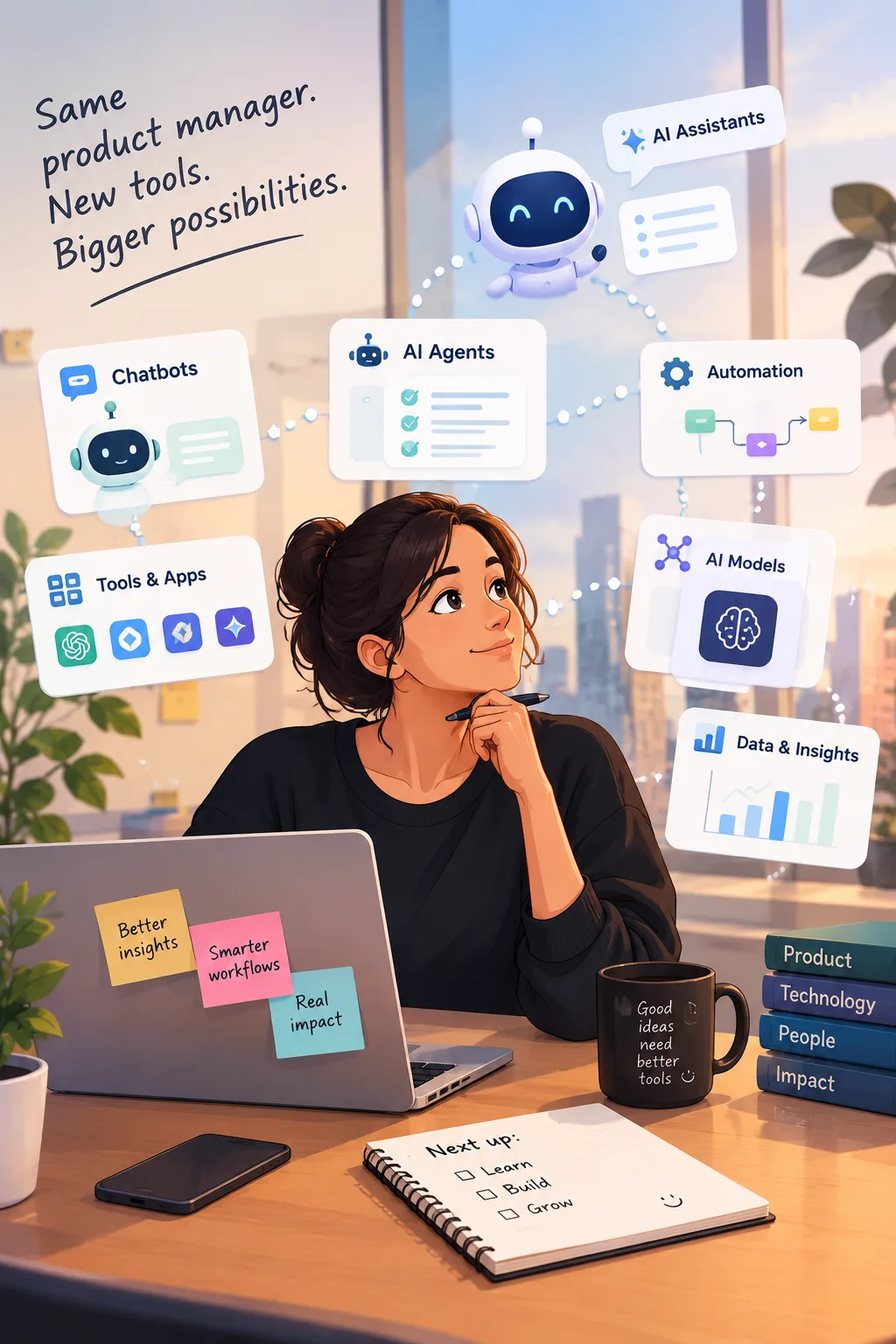
For years, chatbots represented the first practical step toward AI adoption. They handled customer inquiries, answered common questions, and reduced pressure on support teams. For many organizations, chatbots were the entry point into automation.
However, business expectations have changed. Companies are no longer satisfied with tools that simply respond to questions. They want systems that can analyse, decide, and execute tasks across departments. This shift explains why many organizations are moving from basic chatbots to broader AI systems.
The transition is not about replacing one technology with another. It reflects a deeper need for automation that supports real operational complexity.
The Limitations of Traditional Chatbots
Chatbots are designed for interaction. They respond to user prompts using predefined scripts or trained language models. While effective for customer support and FAQs, their role is typically limited to communication.
For example, a chatbot may:
- provide order status
- explain return policies
- answer pricing questions
- collect contact information
But after providing information, the next step often requires human involvement. If a customer wants to modify an order or escalate a request, an employee must manually intervene.
This model improves response speed but does not eliminate workflow friction. As businesses grow and digital systems multiply, simple conversational tools no longer address operational bottlenecks.
From Conversation to Execution
AI systems extend beyond conversation. Instead of only responding to inputs, they can analyse data, apply decision rules, and trigger actions.
An AI system may:
- detect patterns in transaction data
- identify operational risks
- automate approvals
- coordinate across multiple software platforms
The difference is subtle but important. A chatbot communicates; an AI system executes.
For companies managing large volumes of transactions, this shift reduces repetitive manual tasks. Rather than employees checking dashboards or transferring data between systems, AI can monitor events and initiate the next step automatically.
Business Drivers Behind the Shift
Several factors are accelerating this transition.
Operational Complexity
Modern organizations rely on interconnected tools: CRM platforms, inventory systems, accounting software, marketing automation, and analytics dashboards. Coordinating these systems manually slows operations.
AI systems can act as connectors, ensuring information flows between platforms without repeated human input.
Data Volume
Businesses generate significant amounts of data daily. Chatbots may access some of this data for answers, but AI systems can continuously analyse it to detect inefficiencies, forecast demand, or flag anomalies.
Customer Expectations
Customers expect faster service and personalized experiences. AI systems help organizations anticipate needs instead of reacting to complaints.
AI in real estate
The real estate industry illustrates this shift clearly. Traditional chatbots can answer property inquiries or schedule viewings. While useful, this only addresses the surface of the workflow.
With AI in real estate, systems can evaluate buyer preferences, analyse pricing trends, and match properties to client requirements automatically. Instead of simply collecting information, the system can recommend properties, notify agents of high-potential leads, and update CRM platforms in real time.
Property management companies also benefit from AI systems that monitor lease agreements, detect overdue payments, and trigger reminders. These processes move beyond conversation and into operational automation.
AI in education
Educational institutions initially used chatbots to answer student questions about admissions, courses, or schedules. This reduced administrative workload but did not transform internal processes.
With AI in education, systems can track student progress, identify learning gaps, and suggest personalized study paths. Administrative workflows can also be automated. AI systems can process applications, verify documentation, and prioritize inquiries based on urgency.
Rather than acting as digital receptionists, AI becomes part of the institution’s operational framework, supporting both academic and administrative efficiency.
Moving Toward Integrated AI Systems
Another reason companies are adopting AI systems is integration capability. Modern AI platforms can connect directly with enterprise software, cloud databases, and analytics tools.
This integration enables automated workflows such as:
- generating reports when thresholds are reached
- flagging unusual financial transactions
- adjusting inventory levels based on demand forecasts
- initiating maintenance requests when equipment performance declines
Chatbots typically operate in isolation, while AI systems operate within the organization’s digital ecosystem.
Strategic Advantages
Companies transitioning to AI systems often experience improvements in several areas:
Efficiency – Automated processes reduce manual data entry and oversight.
Accuracy – Systems reduce human error in repetitive tasks.
Scalability – AI handles increased workload without proportional staffing increases.
Consistency – Decision rules are applied uniformly across operations.
Importantly, AI systems do not eliminate human roles. Instead, they support teams by handling routine coordination, allowing employees to focus on strategic initiatives and complex problem-solving.
Implementation Considerations
Despite the benefits, organizations must approach AI adoption carefully.
First, workflows must be clearly defined. AI systems require structured processes to operate effectively. Automating unclear procedures may create confusion rather than efficiency.
Second, data quality is essential. AI systems depend on reliable and organized data sources. Poor data governance can limit performance.
Finally, oversight remains critical. AI should support decision-making, not operate without accountability. Clear monitoring frameworks ensure that automated actions align with business objectives.
Conclusion
The move from chatbots to AI systems reflects a broader evolution in business automation. Organizations are no longer seeking tools that simply communicate. They need systems that coordinate, analyse, and execute tasks across digital environments.
Chatbots remain useful for customer interaction, but they represent only one layer of automation. AI systems operate at a deeper level, influencing workflows, data analysis, and operational efficiency.
As industries such as real estate and education demonstrate, the future of automation lies not in isolated conversational tools but in integrated AI systems that become part of the organization’s digital infrastructure.