
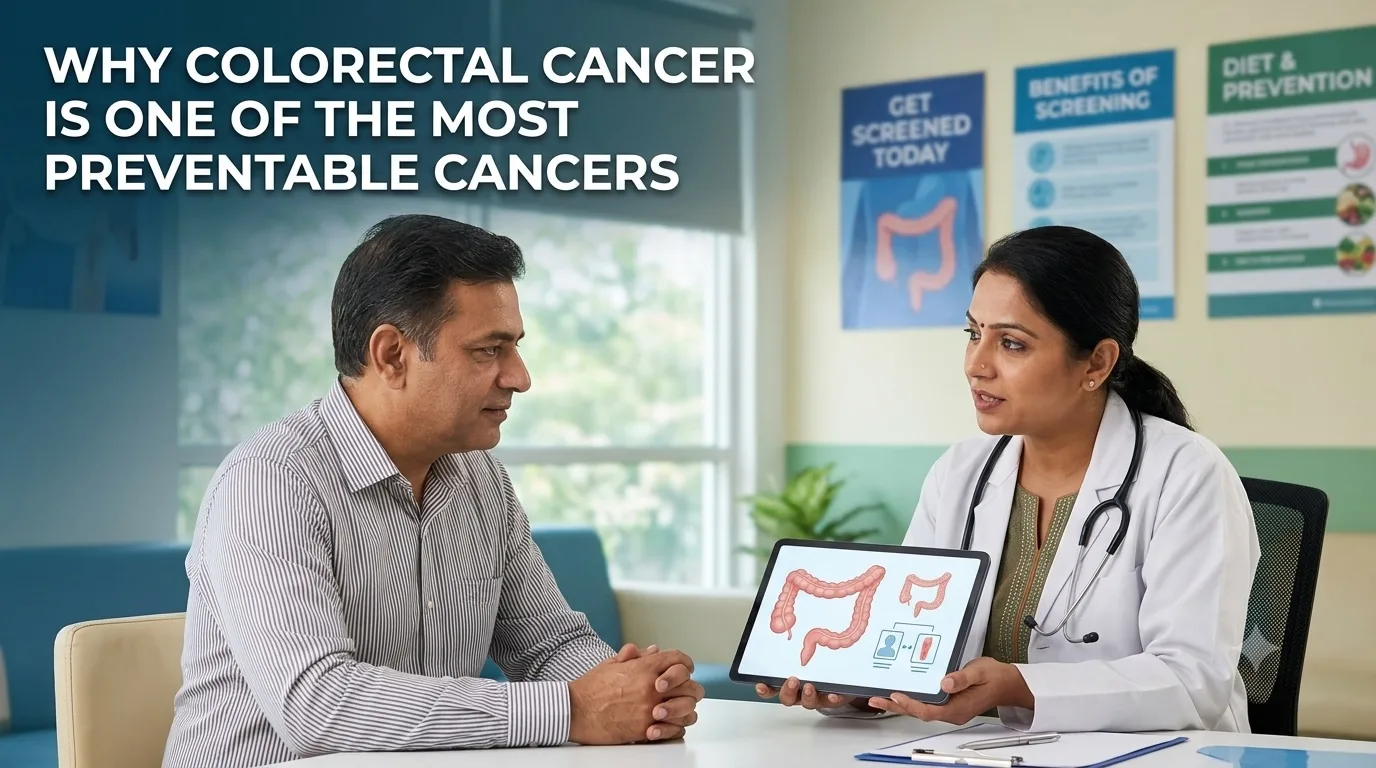
Most health conversations leave people feeling anxious and unsure. This one is genuinely different, and that difference matters. Colorectal cancer, which affects the large intestine and the lower digestive system, is one of the few serious conditions where prevention is truly within reach. Simple awareness, combined with routine checkups, can powerfully protect your long-term health. This is a conversation about confidence, not fear.
Unlike many other internal health concerns, this condition develops slowly and predictably. It gives the body a generous window of time to intervene before anything serious develops. Understanding how it works puts real control back in your hands. That knowledge alone is one of the most valuable tools a family can possess.
Key Takeaways
- Small non-cancerous growths in the large intestine take many years to develop into anything concerning, giving families plenty of time to act through routine checkups.
- Simple daily lifestyle adjustments, including a fibre-rich diet and regular physical activity, offer a powerful and natural defence against colorectal cancer.
- Modern screening methods make it easy for doctors to detect and remove early growths before they ever become a serious health threat.
How Prevention Works in Plain Language
Inside the large intestine, tiny growths called polyps can slowly form along the inner lining. Think of them like small weeds appearing quietly in a well-loved garden. Left unattended, a few of those weeds may eventually grow large enough to cause trouble. But tending the garden regularly and removing weeds while they are small keeps everything healthy. That is exactly what routine digestive screenings do for your body.
These early growths are almost entirely harmless when caught in time. A doctor can remove them quickly during a standard checkup procedure. The process of a tiny growth becoming something dangerous typically takes ten years or more. This slow timeline is not a threat. It is an extraordinary gift of time that modern medicine helps you use wisely.
The Indian Reality Behind the Numbers
Colorectal cancer cases in India have been rising steadily, particularly among younger urban adults. The Indian Council of Medical Research has noted that shifting away from traditional fibre-rich meals toward processed foods is contributing significantly to this trend. Sedentary lifestyles have added further pressure on digestive health nationwide. These are changes happening across millions of Indian households right now.
A significant portion of cases across India are identified only at a later stage. This happens because early digestive symptoms are often dismissed as minor stomach trouble. Many people also feel too embarrassed to discuss these concerns with a doctor. Breaking that silence early makes an enormous difference to outcomes.
Experts at institutions such as the Tata Memorial Hospital in Mumbai have consistently emphasised that expanding public awareness of routine digestive screenings is the most effective way to reverse these numbers. When more people understand that a simple checkup can prevent a serious diagnosis, more people will choose to act. Awareness is not just information. It is genuine, lasting protection.
Everyday Choices That Build Powerful Defence
Traditional Indian cooking, when followed closely, is one of the most naturally protective diets available. Lentils, whole wheat rotis, brown rice, and seasonal vegetables are all rich in fibre. Fibre keeps the digestive system clean, active, and balanced every single day. Making these foods central to your daily plate is a simple and enjoyable way to protect yourself.
Reducing heavily processed snacks and red meat creates an environment in which unhealthy cellular changes find it harder to take hold. Staying physically active, even through daily walks of thirty minutes, supports healthy digestion. These are not dramatic sacrifices. They are gentle, sustainable shifts that the whole family can embrace together.
Drinking enough water daily, limiting alcohol, and avoiding smoking further strengthen the body's natural defences. Each habit works quietly in the background, keeping your inner environment balanced and resilient. None of these changes requires expensive equipment or special knowledge. They simply require a little daily intention and care.
Advanced Management and New Horizons of Hope
Even when colorectal cancer is identified at a stage requiring direct medical attention, treatment today is far more targeted and precise than it was even a decade ago. Oncology teams now have access to therapies designed to work efficiently while preserving the patient's daily quality of life. Surgical techniques have become less invasive, recovery timelines have improved, and supportive care has grown significantly. Families can take genuine comfort in knowing that a diagnosis today is met with far more tools, far more precision, and far more hope than ever before.
When a patient requires advanced medical support to clear away remaining unhealthy cells, doctors can utilise highly targeted intravenous therapies. For instance, sophisticated medications like Oxaliplatin, frequently administered under trusted names such as Oxitan 50 mg, work efficiently to safeguard the body while allowing individuals to focus on their recovery and healing. These medicines are carefully planned and closely monitored by experienced oncology teams. The goal is always to restore health while protecting daily quality of life.
Understanding Your Health Is an Act of Self-Care
Colorectal cancer does not have to be a frightening subject. It is a condition that rewards curiosity, openness, and early action more than almost any other. Families who talk openly about digestive health and schedule routine screenings build a quiet shield that protects every member of the household. That proactive awareness is not a worry. It is wisdom.
Disclaimer
This content is created for general educational awareness only. It must never be used as a replacement for professional medical advice, personalised clinical diagnosis, or direct treatment guidance from a qualified and licensed healthcare professional.