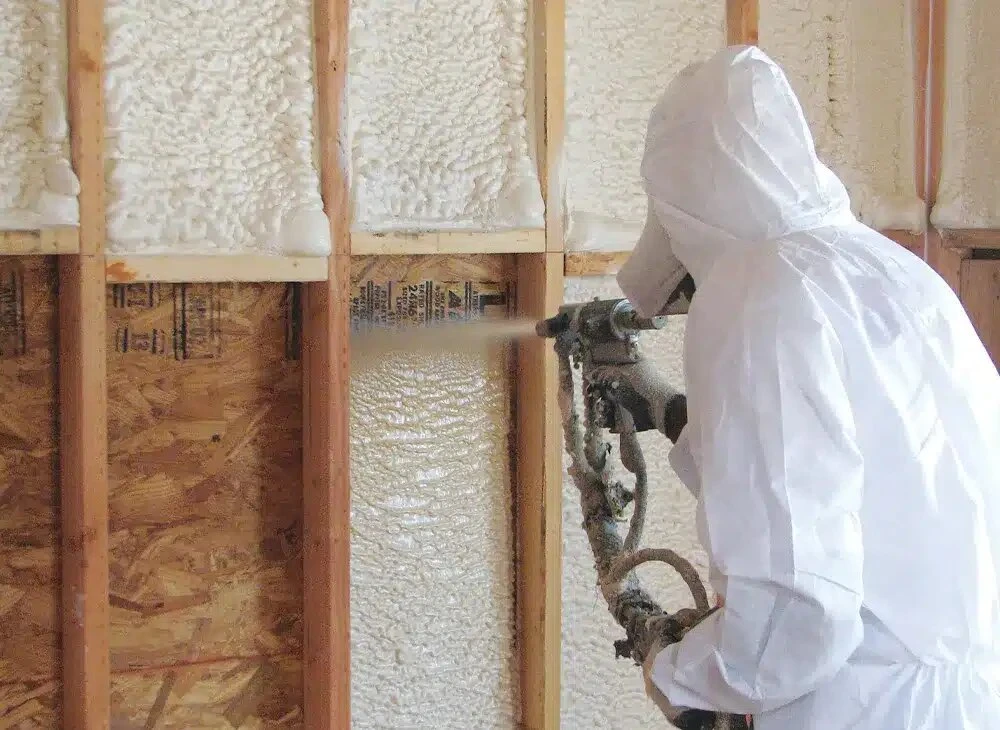
Closed-cell spray foam stands as the most effective structural upgrade for energy efficiency because it offers the highest R-value per inch of any common insulation. By expanding into a rigid, waterproof barrier, it prevents air leakage and strengthens the building frame simultaneously. This single application addresses thermal loss, moisture infiltration, and structural racking, making it a comprehensive solution for long-term building health.
Property owners often seek ways to reduce utility costs while improving indoor comfort. This material provides an immediate answer by creating an airtight seal that traditional fiberglass or cellulose cannot match. The following sections explain the technical reasons why this specific upgrade yields a high return on investment for residential and commercial buildings.
Industry professionals with years of field experience recognize that a building envelope is only as strong as its air seal. This article presents expert knowledge on how dense foam technology works in real-world environments. Understanding these mechanics allows owners to make informed decisions that benefit their properties for decades.
Immediate Efficiency Gains with High R-Value Performance
Thermal resistance is the primary job of any insulation, and closed-cell spray foam provides the highest level of protection in the smallest amount of space. Most traditional materials require thick layers to reach modern building codes, but this dense foam achieves superior results with just a few inches. This efficiency is particularly useful in older homes with narrow wall cavities or in commercial buildings with limited space.
Market data indicates that air leakage accounts for nearly 40 percent of a building's total energy loss. While other materials allow air to pass through them, closed-cell foam expands to fill every crack and crevice, stopping drafts completely. Reports from energy agencies show that residents who switch to a high-performance air seal can save significantly on their monthly heating and cooling expenses.
- Consistent thermal resistance ensures that indoor temperatures remain stable even during extreme weather shifts.
- The airtight seal prevents the furnace or air conditioner from cycling on and off too frequently.
- Thin application requirements make it the best choice for insulating tight spaces like rim joists or vaulted ceilings.
- Property values often increase when a home features high-performance building materials that lower operational costs.
- Long-term savings on energy bills typically pay for the initial cost of the upgrade within a few years of use.
Understanding Thermal Resistance Ratings
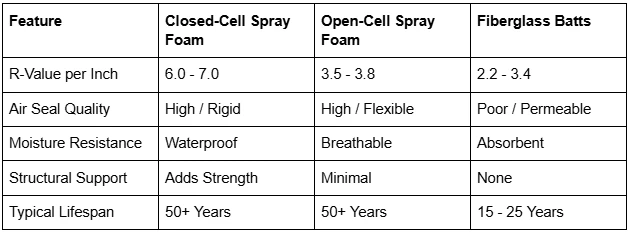
The R-value of closed-cell foam typically ranges from 6.0 to 7.0 per inch, which is nearly double that of open-cell alternatives. This density allows it to block heat transfer by conduction more effectively than any other mass-market insulation. Builders often prioritize this material when they need to maximize efficiency without changing the structural design of the walls.
Managing Conductive Heat Flow
Conductive heat flow happens when warmth moves through solid objects like wall studs or roof decks. Closed-cell foam provides a continuous layer that breaks these thermal bridges, ensuring that the entire wall surface stays at a uniform temperature. This prevents cold spots that often lead to discomfort during the winter months.
Comparing Insulation Material Specs
The following table provides a clear look at how closed-cell technology compares to other popular insulation methods. This data helps property owners see the technical reasons why a denser material provides better long-term protection for their investment.
Structural Reinforcement and Building Longevity
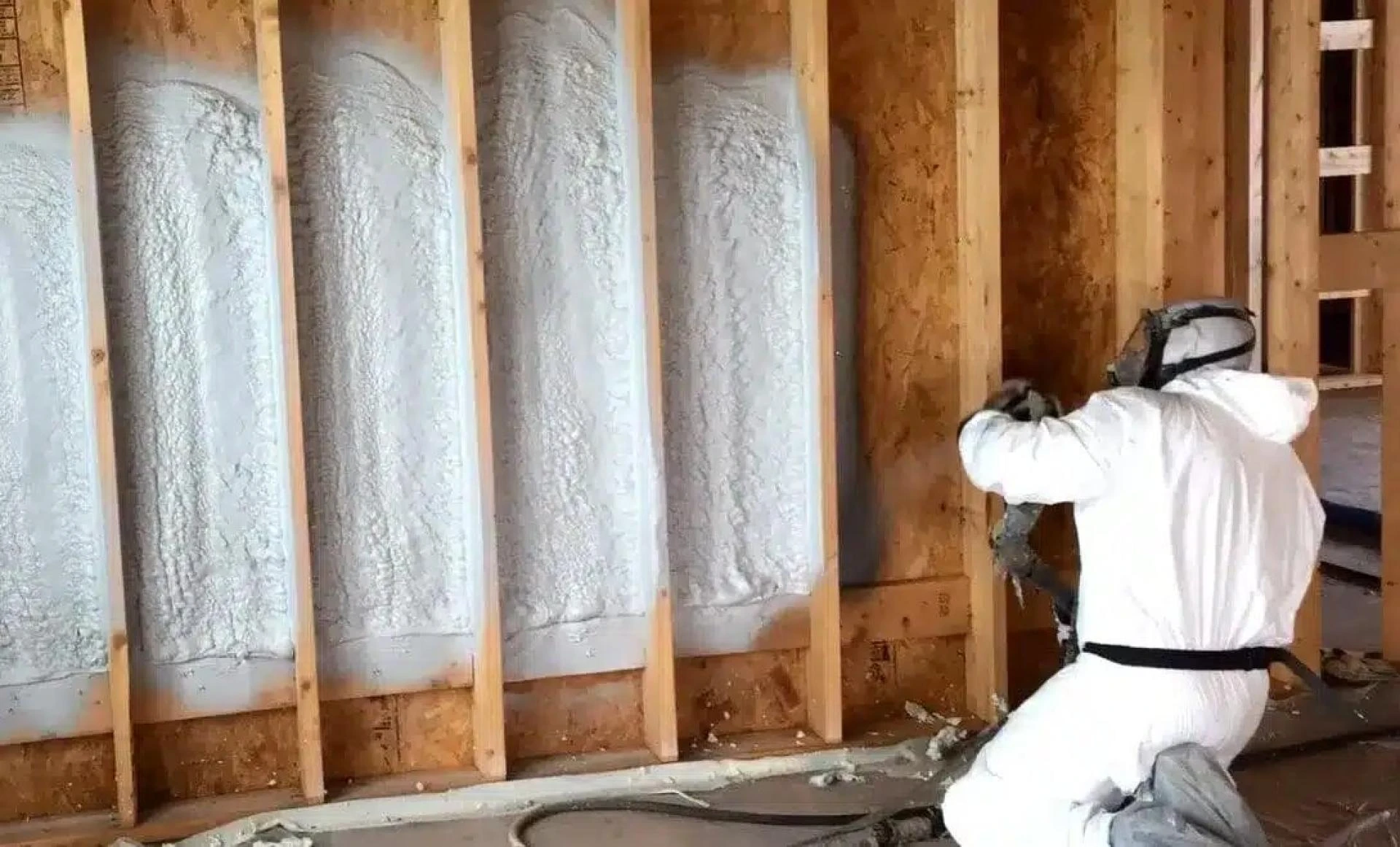
Beyond saving energy, closed-cell foam acts as a structural glue that bonds the building components together. Once it heals, it becomes a rigid plastic that increases the racking strength of walls and roof decks. This added durability is a major advantage for buildings in areas prone to high winds or heavy snow loads.
The material does not sag, settle, or shrink over time like loose-fill or batt insulation. This stability ensures that the thermal protection remains exactly where it was installed for the life of the structure. Many property owners view this as a permanent fix that removes the need for future insulation maintenance or topping off.
- Rigid density adds structural integrity to the wall assembly, making it more resistant to wind pressure.
- The material bonds tightly to wood, metal, and masonry, creating a unified structural envelope.
- No settling or sagging means that there are never any gaps at the top of the wall cavities.
- Hardened foam prevents the structural framing from shifting or racking during seasonal changes.
- Enhanced durability protects the building during storms, reducing the risk of minor structural damage.
Racking Strength and Wall Rigidity
Studies in building science show that walls filled with closed-cell foam have significantly higher resistance to shear forces. This makes the building feel more solid and prevents the creaking and groaning often heard in older wood-frame houses during windstorms. It essentially turns the wall into a reinforced panel.
Long Term Material Stability
Chemical stability is a hallmark of high-grade spray foam. It does not produce dust or break down into small particles that can settle at the bottom of the wall. This ensures that the R-value at the top of the wall stays exactly the same as the day it was applied.
Bonding to Diverse Substrates
This foam sticks to almost any surface, including concrete blocks, old bricks, and steel beams. This versatility allows it to be used in diverse renovation projects where other materials might fail to stay in place or provide a proper seal.
Impact on Roof Deck Durability
When applied to the underside of a roof, closed-cell foam helps hold the roof sheathing to the rafters. This connection is vital during high-wind events, as it helps prevent the roof from lifting or losing shingles due to pressure imbalances.
Bonus Tips for Structural UpgradesWhen planning a structural upgrade, owners should ensure that all electrical and plumbing work is finished first. Since closed-cell foam is very hard once it cures, moving wires or pipes later is much more difficult than with flexible materials. Coordination between trades is a mark of a professional project.
Local Code RequirementsAlways check local building codes before starting an installation. Some regions require a thermal barrier, such as half-inch drywall, over the foam for fire safety. Professionals stay updated on these rules to ensure the building remains safe and compliant.
Moisture Management and Vapor Control
Closed-cell spray foam is a "vapor retarder," meaning it stops water vapor from moving through the walls. This is a massive benefit for basements, crawl spaces, and exterior walls where humidity can cause rot or mold. By blocking moisture, the foam keeps the internal structure dry and prevents the growth of allergens.
In cold climates, moisture inside the house often tries to move toward the cold exterior. If it hits a cold surface inside the wall, it condenses into liquid water. Closed-cell foam stops this moisture movement and keeps the interior wall surfaces warm, which removes the risk of hidden condensation and wood decay.
Waterproofing Crawl Spaces and Basements
Ground moisture is a constant threat to foundations and floor joists. Spraying the interior of a crawl space foundation wall with closed-cell foam blocks water vapor and keeps the area dry. This prevents the "musty basement" smell and protects the wooden subfloor from absorbing dampness.
Preventing Mold and Mildew Growth
Mold requires food, warmth, and moisture to grow. Since closed-cell foam is inorganic and waterproof, it does not provide food or a place for mold to survive. This contributes to a healthier indoor environment and cleaner air for the residents living in the building.
Regional Guidance for Cold Climate Performance
Buildings in Montana face some of the harshest winters in the country. In these environments, the dew point often falls inside the wall cavity, which is why moisture control is so important. Closed-cell foam is the smartest upgrade here because it handles the extreme temperature difference between the warm interior and the sub-zero exterior.
Properly insulated buildings in the Flathead Valley also benefit from ice dam prevention. By insulating the roof deck with foam, the attic stays at a consistent temperature, which stops snow on the roof from melting and refreezing at the eaves. This protects the gutters and prevents water from backing up under the shingles.
- High R-values are necessary to combat the extreme cold during the long Montana winters.
- Moisture barriers prevent structural damage caused by seasonal snowmelt and high ground humidity.
- Ice dam prevention saves property owners from expensive roof repairs and interior water damage.
- Conditioned attics protect HVAC equipment and ductwork from the freezing air outside.
- Consistent thermal seals prevent cold floors, which is a common complaint in older Montana homes.
If a house has a crawl space with exposed dirt, professionals recommend installing a thick vapor barrier on the ground before spraying the walls. This combination provides the best protection against the high moisture levels found in many local soils, ensuring the home stays dry and warm.
Seasonal Timing for InstallationWhile spray foam can be applied in various temperatures, it is often best to schedule the work before the deep freeze sets in. This allows the building envelope to be sealed before the furnace has to start working at maximum capacity, leading to immediate energy savings.
Things to Consider Before Making a Decision
Before choosing an insulation type, property owners should consider the long-term goals for their building. While closed-cell foam has a higher upfront cost than fiberglass batts, the performance difference is vast. Owners should evaluate whether they need structural reinforcement and moisture protection in addition to thermal resistance.
It is also important to consider the existing insulation. In some cases, old, dusty materials must be removed to allow the foam to bond directly to the wood or concrete. Working with a professional team ensures that the substrate is clean and ready for a perfect application that will last for decades.
- Evaluate the specific moisture levels in the area where the insulation will be applied.
- Compare the initial cost against the projected energy savings over the next five to ten years.
- Determine if the added structural strength of the foam is a priority for the specific building.
- Check for any existing roof leaks or plumbing issues that should be fixed before the foam is sprayed.
Questions People Ask About Closed-Cell Spray Foam
Is closed-cell spray foam better than open-cell for basements?
Yes, closed-cell is the only choice for below-grade applications where moisture is a concern. Open-cell foam can absorb water like a sponge, whereas closed-cell foam is waterproof. This makes closed-cell the better material for preventing mold and rot in damp areas.
Does the foam have an odor after it is installed?
There is a brief odor during the application process as the chemicals react. However, with proper ventilation from a professional team, this smell disappears within 24 to 48 hours. Once cured, the foam is inert and does not produce any lingering scents or fumes.
Will closed-cell foam make my house too quiet?
While it is not primarily for soundproofing, the density of closed-cell foam does provide a significant barrier to outdoor noise. It is excellent at blocking high-frequency sounds like wind, traffic, and lawnmowers, making the interior of the house feel much more peaceful.
How thick should the foam be for a typical wall?
Building codes in many areas require specific R-values for exterior walls. Usually, two to three inches of closed-cell foam is enough to meet or exceed these standards. A professional installer can calculate the exact thickness needed based on the local climate and structural design.
Can I install spray foam myself with a kit?
Retail kits are available, but they lack the temperature and pressure controls of professional equipment. This often leads to inconsistent foam quality and poor adhesion. For a whole-house upgrade, a professional application is necessary to ensure the material performs as intended and provides a proper air seal.
Final Takeaways on Structural Upgrades
Closed-cell spray foam is a high-performance insulation investment that pays for itself through energy efficiency, structural strength, and moisture protection. By creating a rigid, airtight barrier, it solves the most common problems found in modern and historical buildings. The long-term stability and superior R-value make it the smartest choice for anyone looking to improve their property.
Every building has unique needs, and it is important to assess the specific requirements of the project before beginning. Taking a holistic view of the building envelope ensures that the insulation works with the rest of the structure to provide a comfortable living environment. Investing in quality now prevents expensive repairs and high utility bills in the future.
Professional Insulation Guidance
When it is time to improve a building's thermal performance, seeking expert advice is the best way to ensure success. Wegner Insulation provides professional services to help owners select the right materials for their specific needs. Their team understands the technical requirements of high-density foam and provides reliable installations that stand the test of time. To discuss a structural upgrade or to request a detailed assessment, contact them at (406) 607-8476 or email [email protected]. They assist property owners in finding the most efficient solutions for their homes and businesses, delivering high-quality results that improve daily comfort and reduce long-term costs.
Author: Richard Hall is a construction professional with experience spanning from his early years. Specializing in spray foam insulation, he has completed extensive training and earned certifications, which led him to start his own company in 2022.
Reviewer: Alexander Davis, with 11 years of experience in spray foam application, provided a review that helped us better address the concerns and goals of companies working on both residential and commercial projects.