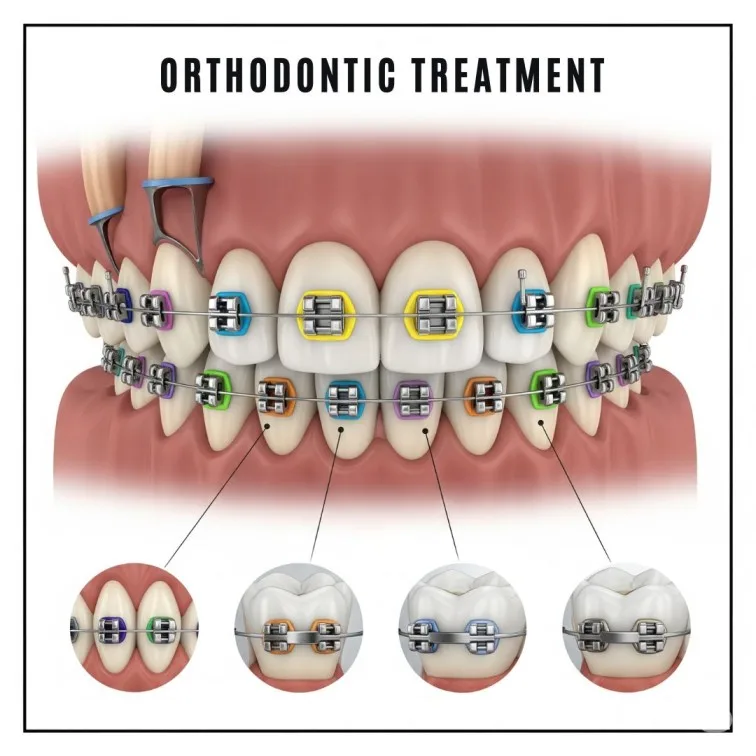
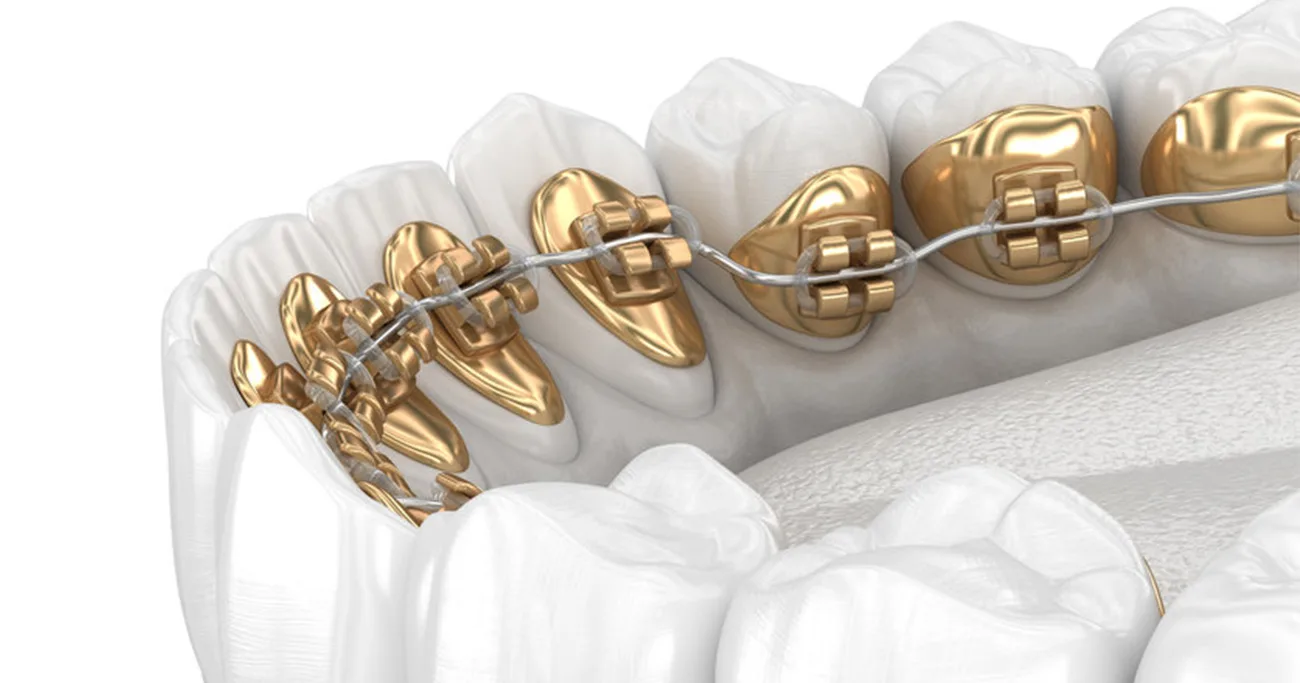
A straighter smile can improve both dental function and confidence, but some people hesitate to wear visible braces. Lingual braces in Delhi offer a discreet alternative because the brackets are placed on the inner surfaces of the teeth rather than the front. This makes them far less noticeable during everyday conversations, meetings, photographs, and social occasions. They work on the same basic orthodontic principle as conventional braces while providing an appearance-focused option for patients who prefer subtle treatment.
How Lingual Braces Work
Lingual braces use brackets and archwires attached to the back of the teeth. These components apply controlled pressure over time, gradually guiding teeth toward their planned positions. Because the braces are positioned behind the teeth, they remain hidden from normal view. Treatment planning generally involves an orthodontic assessment, dental impressions or digital scans, and an evaluation of bite alignment. The exact duration depends on the complexity of tooth movement, spacing, crowding, and individual response to treatment.
Why Delhi Patients Consider This Option
Delhi offers access to modern dental technology and orthodontic treatment options, making it easier for patients to explore less visible solutions. Lingual braces can be particularly appealing to working professionals, students, and people whose personal or professional routines involve frequent interaction with others. Unlike removable aligners, they remain fixed throughout treatment, so there is no need to remember to wear them for a specific number of hours each day. However, suitability should always be determined by an orthodontist after examining the patient's teeth and bite.
Benefits Beyond Appearance
The biggest advantage of lingual braces is their discreet design, but aesthetics are not their only consideration. Fixed braces can provide consistent force for planned tooth movements without relying on patient compliance. They may be suitable for several orthodontic concerns, including crowding, spacing, and certain bite problems. Since the appliances are positioned behind the teeth, however, patients may initially notice changes in tongue comfort or speech. Most people gradually adapt as they become familiar with the appliance.
Caring for Your Teeth During Treatment
Good oral hygiene is essential while wearing lingual braces. Food particles can collect around brackets and wires, increasing the importance of thorough brushing and cleaning between teeth. An orthodontist may recommend specific interdental cleaning tools to reach difficult areas. Patients should also attend scheduled adjustment appointments so that treatment progress can be monitored and necessary changes can be made. Limiting very hard or sticky foods can help protect the brackets and wires from unnecessary damage.
Bottom-Line
Choosing lingual braces in Delhi can be a practical option for people who want orthodontic correction without prominent braces on the front of their teeth. Their hidden placement combines effective fixed treatment with greater visual discretion. Before deciding, discuss your dental goals, bite condition, lifestyle, cleaning routine, and expected treatment timeline with a qualified orthodontist. A personalized evaluation can help determine whether lingual braces are the right approach for achieving a healthier, straighter smile.