Heart health is one of the most important aspects of overall well-being. Cardiovascular diseases remain one of the leading causes of health complications worldwide, and many of these conditions develop silently over time. One of the most effective ways to monitor and protect heart health is through regular cholesterol testing.
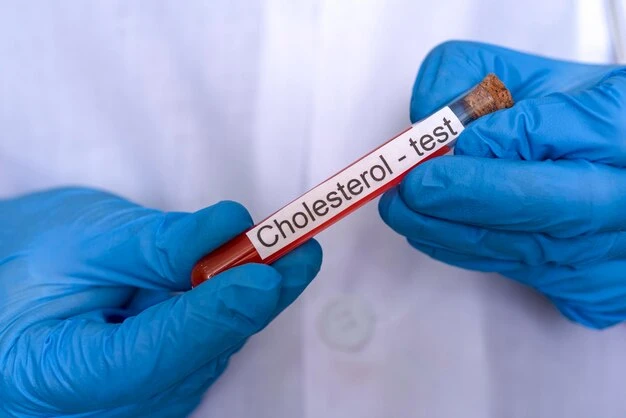
A cholesterol test helps measure the levels of different types of fats present in the blood. These measurements provide valuable insights into the risk of developing heart disease, stroke, and other cardiovascular conditions. Regular screening allows individuals to detect potential problems early and take preventive steps toward maintaining a healthy heart.
Today, many healthcare providers offer convenient options such as a Cholesterol Test at Home, making it easier for individuals to monitor their heart health without visiting a clinic or diagnostic center. In this article, we will explore why cholesterol testing is essential and how it plays a crucial role in protecting heart health.
Understanding Cholesterol
Cholesterol is a fatty substance found in the blood that is necessary for building cells, producing hormones, and supporting certain bodily functions. While cholesterol is essential for the body, having too much of it can increase the risk of heart disease.
There are two main types of cholesterol that are measured during a cholesterol test:
Low-Density Lipoprotein (LDL): Often referred to as “bad cholesterol,” LDL can build up in the walls of arteries, forming plaques that restrict blood flow.
High-Density Lipoprotein (HDL): Known as “good cholesterol,” HDL helps remove excess cholesterol from the bloodstream and transport it to the liver for removal.
In addition to LDL and HDL, cholesterol tests also measure triglycerides, another type of fat in the blood that can contribute to heart disease when levels are too high.
Early Detection of Heart Disease Risk
One of the most important reasons to get a cholesterol test is early detection. High cholesterol levels typically do not cause noticeable symptoms, which means many people may not realize they have a problem until serious complications arise.
Regular cholesterol testing allows doctors to identify elevated levels before they lead to conditions such as heart attacks or strokes. Early detection provides an opportunity to make lifestyle changes or start treatment if necessary.
Helps Monitor Overall Cardiovascular Health
A cholesterol test provides valuable information about overall cardiovascular health. Doctors use these results to evaluate how well the heart and blood vessels are functioning.
Monitoring cholesterol levels regularly can help identify changes over time and assess whether lifestyle habits such as diet, exercise, and stress management are effectively supporting heart health.
Identifying Lifestyle Risk Factors
High cholesterol levels are often associated with certain lifestyle factors, including poor diet, lack of physical activity, smoking, and obesity. By identifying abnormal cholesterol levels through testing, individuals can better understand how their lifestyle choices affect their heart health.
This awareness encourages healthier habits, such as improving diet, increasing physical activity, and maintaining a healthy weight.
Helps Prevent Serious Heart Conditions
Untreated high cholesterol can lead to plaque buildup in the arteries, a condition known as atherosclerosis. Over time, this buildup can narrow the arteries and reduce blood flow to the heart and other organs.
Regular cholesterol testing helps prevent serious conditions such as:
- Heart attacks
- Stroke
- Coronary artery disease
- Peripheral artery disease
By identifying high cholesterol early, individuals can take preventive measures that significantly reduce these risks.
Important for People with Family History
Individuals with a family history of heart disease or high cholesterol are at greater risk of developing similar conditions. In such cases, regular cholesterol testing becomes even more important.
Genetic factors can influence how the body processes cholesterol. Monitoring levels through routine tests helps detect inherited cholesterol disorders and ensures timely medical intervention if necessary.
Helps Track Treatment Progress
For individuals already diagnosed with high cholesterol, regular testing helps track the effectiveness of treatment plans. Doctors may recommend lifestyle modifications, medications, or both to manage cholesterol levels.
Follow-up tests allow healthcare providers to evaluate whether these treatments are working and make adjustments if needed.
Encourages Preventive Healthcare
One of the major benefits of cholesterol testing is that it promotes preventive healthcare. Instead of waiting for symptoms to appear, individuals can actively monitor their heart health and take action before serious problems develop.
Preventive care helps reduce healthcare costs, improve quality of life, and increase long-term health outcomes.
Convenient Testing Options at Home
In the past, cholesterol testing required visiting hospitals or diagnostic laboratories. However, modern healthcare services now offer convenient home testing options.
Individuals who prefer comfort and convenience can schedule a Cholesterol Test at Home through trusted healthcare providers like Call My Doctor Health Care. This service allows patients to complete important health screenings without leaving their homes.
A trained medical professional visits the patient’s home, collects the blood sample safely, and sends it to a certified laboratory for analysis.
This convenient approach helps individuals prioritize their heart health even with busy schedules.
Who Should Get a Cholesterol Test?
Health experts recommend regular cholesterol testing for adults, especially those with risk factors such as:
- Family history of heart disease
- High blood pressure
- Diabetes
- Obesity
- Smoking habits
- Sedentary lifestyle
Regular testing allows individuals to stay informed about their cardiovascular health and take proactive steps to protect their hearts.
Conclusion
A cholesterol test is a simple yet powerful tool for maintaining heart health. By measuring cholesterol levels in the blood, doctors can assess the risk of cardiovascular diseases and recommend appropriate preventive measures.
Regular testing helps detect potential problems early, monitor treatment progress, and encourage healthier lifestyle choices. With convenient services like Cholesterol Test at Home offered by Call My Doctor Health Care, monitoring heart health has become easier and more accessible.