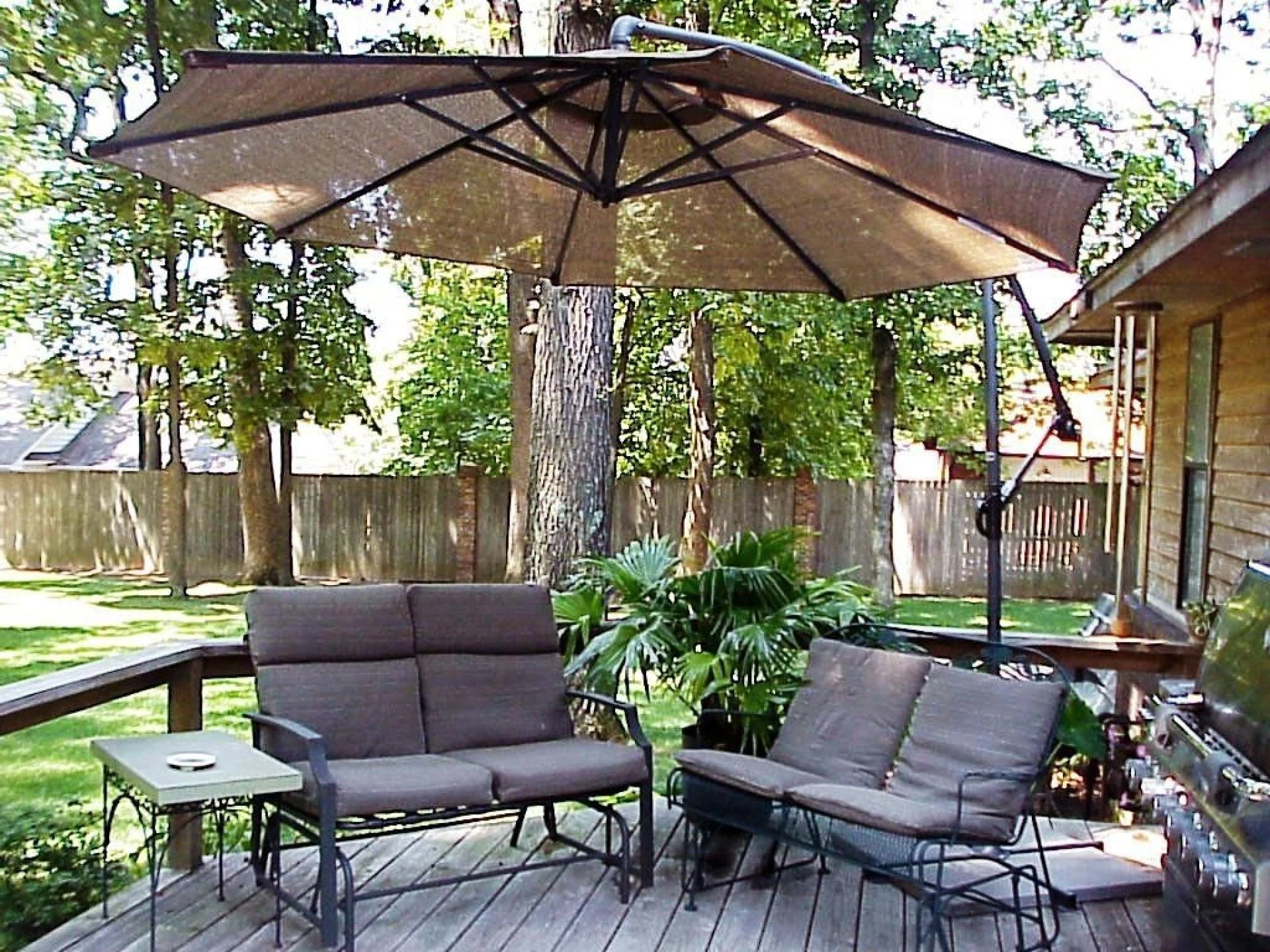
Creating the perfect outdoor retreat often involves attention to comfort, style, and nature’s balance. Among the various details that define an inviting backyard space, the humble patio umbrella plays an essential role. It offers shade, aesthetic appeal, and a sense of relaxation that completes the outdoor experience. However, many homeowners have noticed that bees seem particularly attracted to certain umbrella fabrics, hovering around them or occasionally nesting beneath. Understanding why bees are drawn to some materials over others requires exploring their sensory instincts, color perception, and environmental preferences. By learning what attracts bees and how to design an unappealing environment for them, homeowners can maintain harmony between comfort and nature without disturbance.
The Role of Fabric in Bee Attraction
When it comes to understanding why bees gravitate toward a specific patio umbrella, the fabric’s composition and color play a vital part. Bees have evolved remarkable visual systems that allow them to detect ultraviolet patterns invisible to the human eye. These patterns often mimic floral reflections, signaling the presence of nectar. Umbrella fabrics dyed in bright hues—especially yellow, blue, and violet—tend to resemble flowers from a bee’s perspective. Therefore, if your patio umbrella features such vibrant shades, bees may interpret it as a potential feeding site rather than mere outdoor décor.
Another contributing factor is scent absorption. Certain fabrics, particularly natural fibers like cotton or linen, can retain organic fragrances such as pollen, sweat, or even floral cleaning agents. Synthetic fibers, on the other hand, are less likely to hold strong scents, which might make them less appealing to bees. In addition, waxy coatings or waterproof layers on modern umbrella designs can alter scent distribution, affecting whether bees are drawn toward or away from them.
Ultimately, bees are not aggressive by nature; their attraction to certain materials is a result of instinct rather than intent. Still, recognizing these behavioral patterns helps homeowners make informed decisions when selecting an ideal patio umbrella that balances comfort and peaceful coexistence with pollinators.
Color Choices That Influence Bee Behavior
Color psychology does not only affect human perception—it profoundly impacts how bees navigate their environment. A patio umbrella featuring light, neutral tones such as beige, gray, or white is less likely to attract bees than one in bold, flower-like colors. Bees see the world primarily through ultraviolet, blue, and green spectrums, meaning they cannot perceive red tones clearly. For this reason, a red or burgundy patio umbrella tends to remain largely unnoticed by them.
However, even subtle details can make a difference. For instance, patterned umbrellas with floral designs or bright outlines may mimic the look of blossoms, misleading bees into approaching. On the contrary, smooth, solid-colored fabrics without floral imagery can help prevent unwanted attention.
Interestingly, heat absorption also contributes to bee behavior. Bees are sensitive to warmth, often using heat as a cue to locate sunlit flowers or hive locations. Darker fabrics absorb and radiate more heat, which can occasionally attract bees seeking warmth during cooler mornings or evenings. Therefore, when choosing a patio umbrella, consider both color tone and material texture to minimize unintentional allure.
In well-planned outdoor environments, subtle adjustments in shading design, color palette, and fabric choice can ensure the space remains inviting to humans but less enticing to bees. This mindful approach allows for an eco-friendly balance where bees continue thriving elsewhere without disrupting relaxation areas.
Material Composition and Natural Attraction
While colors influence visibility, the material of your patio umbrella directly affects its scent, texture, and reflectivity. Natural fabrics, including cotton and canvas, tend to retain environmental odors and absorb moisture, which can create conditions bees find appealing. Synthetic fabrics such as polyester or acrylic, commonly used in outdoor furniture, are generally less hospitable to insects because they emit fewer natural cues. These materials also dry faster and resist mold, reducing the chance of organic buildup that attracts pollinators.
It’s worth noting that bees are highly responsive to texture. Soft, fibrous surfaces resemble the environment around hives or floral structures, making them ideal for resting or temporary exploration. Smooth and coated materials, however, discourage such contact because bees struggle to grip them effectively. Thus, a water-resistant polyester patio umbrella not only provides durability against weather but also discourages bee landings due to its slick surface.
In addition, maintenance habits play a role. Regularly cleaning and airing out the umbrella fabric prevents buildup of pollen or sugary residues that might attract bees. Using mild, unscented detergents is recommended since strong floral or citrus fragrances can mimic the scent of blossoms. A clean, neutral-smelling umbrella becomes less likely to draw bees while maintaining its visual freshness.
If a bee colony has already shown persistent attraction to your outdoor setup, consulting a reliable bee removal service in Glendale, CA can ensure safe relocation without harming the insects. Experts in humane removal understand how to identify nest locations and transfer colonies responsibly. Choosing such professional help not only restores comfort but also supports ecological preservation by allowing bees to continue pollination elsewhere.
Design Features That Help Deter Bees
Modern outdoor furniture designers increasingly focus on functionality, comfort, and insect resistance. The design of a patio umbrella influences how bees interact with it. Umbrellas with thick, tightly woven fabrics are less likely to emit subtle light or scent cues that attract insects. On the other hand, loosely woven or translucent materials allow sunlight to filter through, creating reflections that mimic petals or nectar patterns.
Another key consideration is the umbrella’s ventilation and structure. Many designs include air vents at the top for better stability during wind. Unfortunately, these openings can sometimes become potential nesting spots for small insects if not properly covered. Attaching fine mesh or insect-resistant linings to these vents prevents bees from nesting while maintaining airflow.
Base design and positioning also matter. A patio umbrella positioned near flowering plants, fruit trees, or sweet beverages can inadvertently attract more bees. Shifting your setup slightly away from gardens or compost areas can reduce the chance of encounters. Additionally, some homeowners use natural deterrents like essential oils—peppermint, eucalyptus, or citronella—around the umbrella’s base. These scents mask floral cues and help keep bees at a distance without harming them.
Although non-toxic repellents are available, their use should be cautious and eco-conscious. The goal is to make the space less appealing, not to harm beneficial pollinators. Through thoughtful design, scent management, and responsible cleaning, your patio umbrella can remain an enjoyable centerpiece for relaxation without inviting buzzing guests.
Maintaining Balance Between Comfort and Ecology
Every outdoor space thrives when humans and nature coexist respectfully. Bees are indispensable contributors to our ecosystem, ensuring plant pollination and food production. However, maintaining harmony means creating boundaries that protect both their habitat and your comfort. Choosing the right patio umbrella fabric, color, and structure serves as an elegant yet practical way to achieve this balance.
To sustain this peaceful coexistence, adopt environmentally friendly maintenance routines that discourage bees without harming them. Avoid overly fragrant cleaning products, minimize sugary residue near outdoor furniture, and store umbrellas properly when not in use. These small, consistent actions significantly reduce bee attraction while maintaining the umbrella’s longevity and aesthetic appeal.
Moreover, understanding bee behavior fosters empathy toward their role in nature. Recognizing that their attraction to certain materials is instinctual rather than aggressive allows homeowners to respond calmly and strategically. Instead of eliminating bees, focus on deterrence and safe relocation when necessary. By doing so, you help preserve biodiversity while enjoying serene outdoor moments under your perfectly chosen patio umbrella.
In the end, a well-chosen umbrella enhances not only your comfort but also your connection to nature. Every decision—from selecting materials to embracing eco-conscious care—contributes to a space that feels inviting, sustainable, and beautifully balanced. Through awareness and thoughtful design, homeowners can transform patios into harmonious sanctuaries that celebrate sunlight, comfort, and respect for all living beings.