
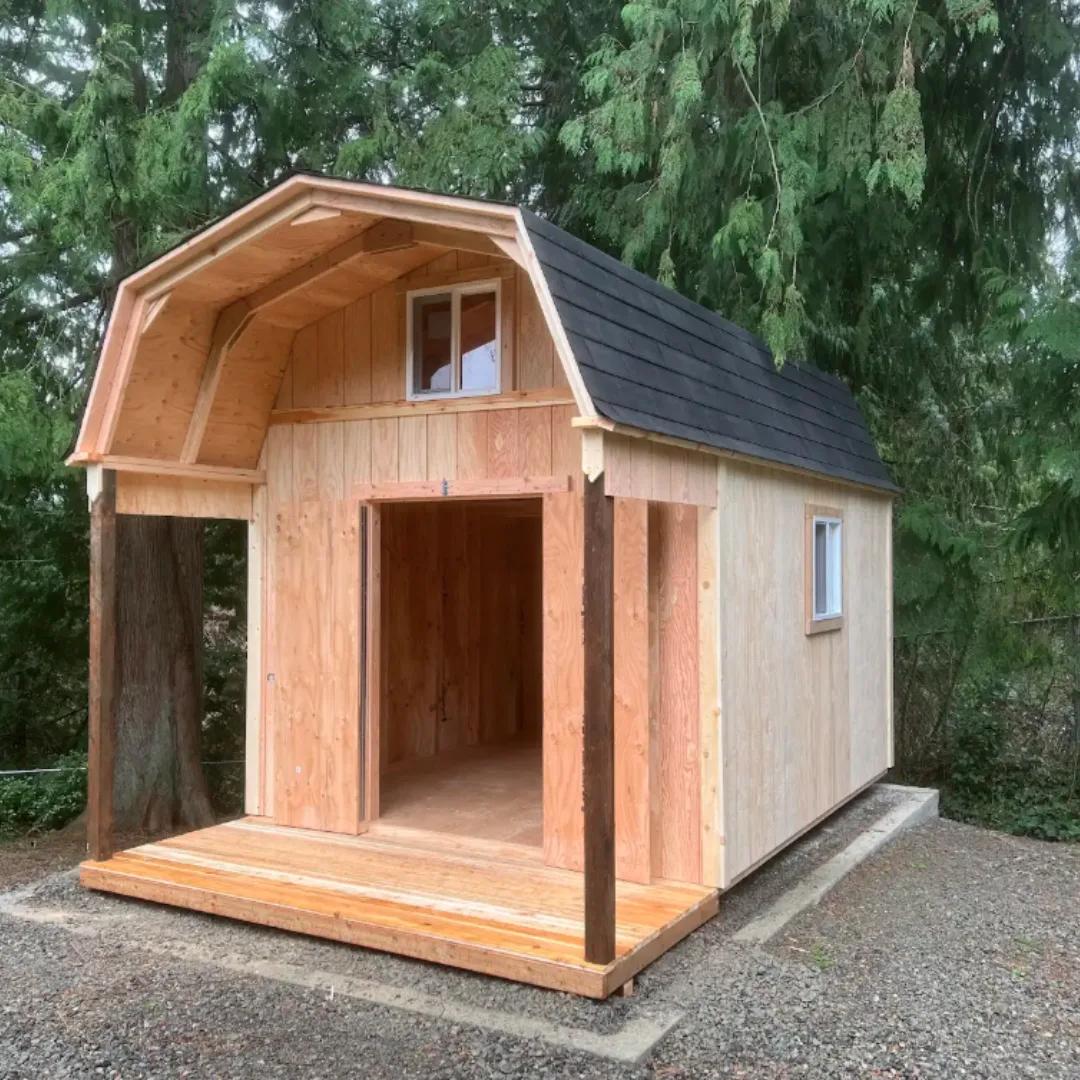
When choosing backyard wooden storage sheds, the decision often comes down to durability, adaptability, and how well the structure fits into everyday life. Wood consistently stands out because it responds to both environmental conditions and changing storage needs. It is strong yet flexible, practical yet visually balanced. Compared to metal or plastic, wood offers better insulation, easier customization, and a more natural integration with outdoor spaces.
From experience, the difference becomes clear over time. What starts as a simple storage solution gradually proves to be a more stable, usable, and long-term investment. That is where wood quietly outperforms alternatives.
Backyard Wooden Storage Sheds: The Need for Something That Lasts
The search began with a familiar problem. Outdoor items had outgrown available space. The garage felt crowded. The yard lacked structure.
At first, all materials seemed similar. Metal looked durable. Plastic seemed low maintenance. Yet neither felt fully aligned with how the space was used. The goal was not just storage, but a solution that would hold up over time and feel consistent with the surroundings.
That is where backyard wooden storage sheds entered the conversation. Not as a design choice, but as a practical one.
Experiences like this reveal a broader industry pattern. Many assume all shed materials serve the same purpose. In reality, long-term performance varies significantly.
Wooden Outdoor Storage Sheds and Their Natural Advantage
Choosing wooden outdoor storage sheds introduced a set of benefits that were not obvious at first glance. Wood behaves differently from synthetic materials. It adapts rather than resists.
A few practical advantages stood out:
- Wood provides natural insulation, reducing internal temperature swings
- It handles moisture better when properly treated
- Structural adjustments are easier over time
Metal, by contrast, tends to amplify heat and cold. Plastic can weaken under prolonged exposure. Wood sits in the middle, offering balance.
Many assume durability comes from rigidity. Yet adaptability often proves more valuable. Wood expands and contracts slightly, which helps it endure seasonal changes without compromising structure.
Why Wood Performs Better in Real Conditions
The real test came with changing weather. Rain, temperature shifts, and daily use began to reveal differences that are rarely discussed upfront.
The shed remained stable. Doors aligned properly. The interior stayed relatively dry. These were not dramatic wins, but they mattered over time.
Key performance factors included:
- Better resistance to condensation compared to metal
- Reduced warping when properly sealed
- Strong load-bearing capacity for shelving and tools
Professionals often notice subtle details that make all the difference. In this case, it was how the material responded quietly to everyday conditions.
The Flexibility That Other Materials Cannot Match
One of the most overlooked advantages of backyard wooden storage sheds is flexibility. Needs change. Storage evolves. A static structure can quickly become limiting.
Wood allows for modifications without major complications:
- Shelving can be added or repositioned
- Hooks and supports can be installed easily
- Openings can be adjusted if needed
This adaptability turns the shed into a long-term solution rather than a fixed box. Over time, a clear trend emerges across the industry. Homeowners increasingly value structures that can evolve with their needs.
Aesthetic Integration Is More Functional Than It Seems
At first, appearance seemed secondary. Function was the priority. Yet the way the shed fit into the yard began to matter more than expected.
Wood blends naturally with outdoor environments. It does not feel intrusive. Instead, it complements surrounding elements like fences, plants, and pathways.
This has a practical impact:
- The space feels less cluttered
- The shed becomes part of the layout, not an obstacle
- The overall yard feels more intentional
Viewed from a broader perspective, a larger pattern becomes clear. Visual harmony often supports functional clarity. When something looks right, it tends to work better within the space.
What This Experience Suggests About Material Choices
Looking back, the choice of material shaped the entire outcome. Not just in durability, but in how the space was used.
Wood delivered a balance that other materials struggled to match. It was strong but adaptable. Stable but flexible. Practical without feeling industrial.
Many clients assume low maintenance materials are always better. Yet wood, when treated and maintained properly, offers a more consistent long-term experience.
This reflects a subtle shift in how outdoor structures are evaluated. It is no longer just about cost or convenience. It is about how well the material supports everyday use.
Choose Materials That Work With You, Not Against You
The decision to go with backyard wooden storage sheds turned out to be less about preference and more about performance. Over time, the benefits became easier to see and harder to ignore.
The structure held up. The space felt more organized. Adjustments were easy when needs changed. These outcomes were not accidental. They were built into the material itself.
The takeaway is simple. Wood does not just create a shed. It creates a structure that adapts, supports, and integrates into daily life in a way other materials rarely do.
FAQs
Why are backyard wooden storage sheds considered more durable?
Backyard wooden storage sheds are durable because wood can handle environmental changes without becoming brittle or unstable. When properly treated, it resists moisture and maintains structural integrity. Its ability to expand and contract slightly helps prevent long-term damage.
Are wooden outdoor storage sheds better for insulation?
Yes, wooden outdoor storage sheds provide natural insulation. Wood slows down heat transfer, keeping interiors more stable compared to metal or plastic. This helps protect stored items from extreme temperatures and reduces condensation buildup.
Do wooden sheds require more maintenance than other materials?
Wood requires periodic sealing or staining, but this maintenance helps extend its lifespan. Compared to repairs caused by warping or condensation in other materials, wood maintenance is often more predictable and manageable over time.
Can backyard wooden storage sheds be customized easily?
Yes, customization is one of the strongest advantages. Shelves, hooks, and internal layouts can be adjusted without specialized tools. This flexibility allows the shed to evolve as storage needs change.
How do wooden sheds perform in wet climates?
When treated and installed properly, wooden sheds perform well in wet climates. They manage moisture effectively and reduce internal dampness compared to metal structures, which often develop condensation issues.
Are wooden sheds a good long-term investment?
They often are. With proper care, wooden sheds maintain their structure and usability for many years. Their adaptability and consistent performance make them a reliable long-term storage solution.