A vehicle does not become useless simply because it stops running. An old car sitting in a driveway, a damaged vehicle after an accident or a van that has reached the end of its working life may still contain materials and components that can be recovered. This is one reason scrap yards continue to play an important role in Australia's automotive industry.
As more vehicles reach the end of their useful lives, managing them responsibly becomes an important consideration. Scrap yards help connect vehicle disposal with parts recovery, metal recycling and the reuse of materials that might otherwise go to waste.
The Important Role of Scrap Yards in Australia
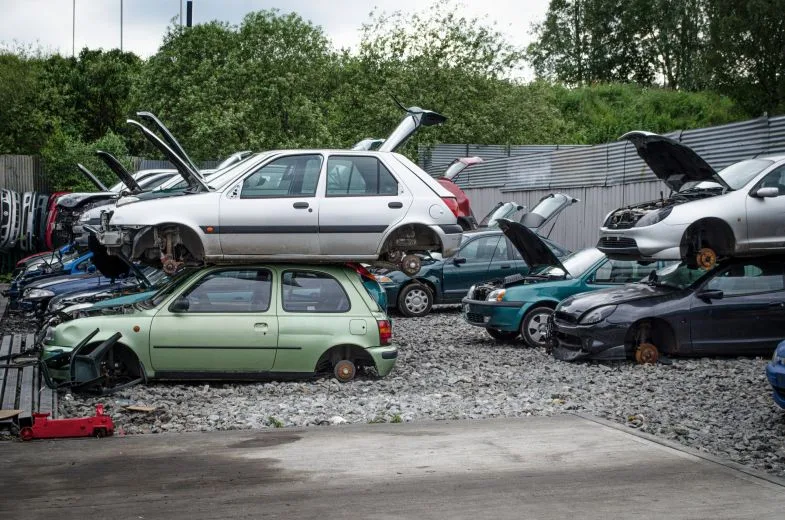
Scrap yards are more than places where unwanted vehicles are stored. They can be part of a wider recycling process that gives usable vehicle components and materials another purpose.
A typical vehicle contains steel, aluminium, copper, plastics, glass, rubber and numerous mechanical and electrical components. Depending on their condition, some parts may be suitable for reuse, while certain materials can be separated for recycling.
Without appropriate recovery and disposal processes, valuable materials may be lost and unwanted vehicles can become a source of unnecessary waste.
Scrap yards help address this issue by providing a place where vehicles can be assessed, dismantled and directed towards suitable recovery options. Check it out!
Why Are More Vehicle Owners Considering Scrap Yards?
There are several practical reasons why vehicle owners look beyond traditional private sales when deciding what to do with an old car.
Expensive Repairs
Older vehicles can develop mechanical problems that are costly to repair. Engine failure, transmission issues and major structural damage may make further repairs difficult to justify.
When repair costs approach or exceed the vehicle's remaining value, selling it for dismantling or recycling may be worth considering.
Accident-Damaged Vehicles
Not every damaged vehicle can return to the road. After a serious accident, some cars may be considered uneconomical or unsuitable to repair.
However, certain components may still be usable. Depending on the damage, a dismantler may be able to recover parts that can serve as replacement components for other vehicles.
Cars That No Longer Meet Their Owner's Needs
People change vehicles for different reasons. Some purchase a newer model, while others no longer need a second car. An unused vehicle can take up valuable space and may continue to require maintenance or registration-related attention.
For these owners, exploring a suitable vehicle removal or recycling service can be a practical option.
What Happens to a Car at a Scrap Yard?
The process can involve several stages, depending on the vehicle's condition and the facility's operations.
1. Vehicle assessment
The vehicle is checked to understand its condition, identify potentially reusable components and determine its possible recovery value.
2. Removal of reusable parts
Suitable components may be removed for inspection and possible resale. These can include engines, gearboxes, doors, mirrors, wheels and selected electrical components.
3. Handling of hazardous materials
Vehicles contain fluids, batteries and other materials that require appropriate handling. These should be managed before the remaining vehicle structure is processed.
4. Metal recovery
Once suitable components and materials have been separated, the remaining metal may be sent for further processing and recycling.
The exact process varies between operators, so vehicle owners should consider whether a business follows appropriate dismantling and waste-handling practices.
How Scrap Yards Support the Reuse of Auto Parts
Used automotive parts can provide another option for vehicle owners and repair workshops. When a suitable component is recovered and checked, it may be reused instead of requiring a newly manufactured replacement.
For example, a vehicle with a damaged body may still contain a working alternator, starter motor or other components. Similarly, a car that has experienced engine failure may have usable doors, mirrors, wheels or interior parts.
However, not every recovered component is suitable for reuse. Parts need to be assessed for condition, compatibility and safety before being installed in another vehicle.
Buyers should check the part number, vehicle compatibility and any available warranty or return conditions before purchasing.
Environmental Considerations When Disposing of Old Vehicles
Responsible vehicle recycling involves more than recovering metal. Cars contain materials that can create environmental concerns if they are handled or discarded improperly.
Engine oil, coolant, brake fluid, batteries and other components need suitable treatment. Plastic, rubber and glass may also require separate recovery processes.
Recycling suitable materials can reduce the amount of waste sent to landfill and support the use of recovered resources. It is not a complete solution to automotive waste, but it is an important part of managing vehicles at the end of their useful lives.
Vehicle owners can contribute by choosing an appropriate disposal service rather than abandoning an unwanted car or allowing it to deteriorate on private property.
The Future of Scrap Yards and Vehicle Recycling
The automotive industry is changing. Electric vehicles, hybrid systems, advanced electronics and increasingly complex vehicle components are creating new considerations for dismantlers and recyclers.
For example, electric vehicle batteries require specialised knowledge and appropriate handling. They should not be treated like ordinary scrap metal or dismantled without suitable procedures.
As vehicle technology develops, scrap yards and recycling operators will need to adapt their processes, equipment and staff knowledge. Better identification, sorting and recovery methods can help make more vehicle materials suitable for reuse or recycling.
The role of scrap yards is therefore connected not only to older vehicles but also to how the automotive industry manages resources in the years ahead.
About Local Cash For Cars Brisbane
Local Cash For Cars is a vehicle buying and removal business based in Oxley, Queensland. It provides services for owners looking to sell unwanted, damaged, scrap and non-running vehicles across Brisbane and surrounding areas.
Its services include vehicle buying, unwanted car removal, scrap car removal and damaged vehicle removal. The business also provides auto dismantling and vehicle recycling services. According to its website, it offers free vehicle removal across Brisbane, with payment arranged at pickup.
For people researching cash for cars brisbane, the business is one option to consider when comparing vehicle buyers and removal services. Vehicle owners can share their car's details, ask about the assessment and confirm the collection and payment arrangements before accepting an offer.
A More Responsible Approach to Unwanted Vehicles
Scrap yards serve an important purpose by helping recover usable vehicle parts and materials that might otherwise go to waste. They also provide vehicle owners with another option when repairs are no longer practical or a car has reached the end of its useful life.
The key is to make informed choices. Checking the buyer's process, understanding the paperwork and considering how the vehicle will be handled can help make disposal more responsible.
As Australia's automotive industry continues to change, vehicle recycling will remain an important part of managing unwanted cars and making better use of available resources.