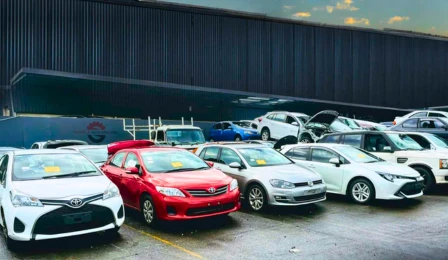
Scrap yards have become a central part of Australia’s recycling system and metal supply chain. As the nation deals with rising waste levels, growing demand for metal, and changing rules for environmental care, these yards now hold a far larger role than they once did. Old cars, damaged machinery, construction leftovers and worn household items all find their way to yards where metals are sorted and reused.
This shift is not only about clearing unwanted items. It also links to economic growth, industry support, resource recovery and responsible use of materials. Australia relies on scrap yards more than ever because they help reduce pressure on landfills, support local workforces, and keep metals flowing into many production fields. https://www.sydneycarremoval.com.au/
Growing Need For Metal Recovery
Australia’s metal demand has risen each year due to building projects, public transport expansion and growth in manufacturing. Steel, aluminium and copper are three of the most requested metals. These materials are used in new buildings, roads, power networks and modern vehicles.
Scrap yards supply a large share of these metals. Old vehicles alone contain large amounts of steel and smaller shares of copper and aluminium. When these vehicles reach a yard, trained workers remove parts, drain fluids and recover each metal type. This process lowers the need for mining new metal, which reduces land disturbance and energy use.
Reports from Australian industry groups show that metal recycling helps lower greenhouse gas output when compared with producing new metals from raw ore. This fact gives scrap yards a major role in reaching national climate goals.
Rising Waste Levels Across Australia
Population growth and increased buying habits have caused a sharp rise in waste levels. Each year, Australia produces millions of tonnes of waste, a large portion of which includes metal. Landfills across several states face increased pressure, and many locations now urge stronger recycling efforts.
Scrap yards help manage this challenge. They accept items that would otherwise remain as long-term landfill waste. Cars, appliances and metal structures do not break down easily. Metal recycling helps cut down the space needed in landfills and reduces long-term soil and groundwater risks.
Support For Local Work And Regional Growth
Scrap yards create work for many communities. Workers in transport, sorting, dismantling, metal processing and yard management all play important roles. These jobs support local income and keep money within regional areas.
In some towns, scrap yards supply metal directly to nearby foundries or manufacturing plants. This shortens transport distance and lowers transport emissions. These links show how scrap yards fit into wider supply chains across Australia.
Changing Environmental Rules
Australia has updated several environmental rules in the past decade. These rules aim to lower waste, limit harmful dumping and support safer recycling. Scrap yards must meet safety requirements when handling old cars, machinery and large metal items. This includes storing chemicals safely, removing harmful components and tracking where each load of metal goes.
These rules guide the industry and help protect land and waterways. As rules strengthen, scrap yards gain more importance because they offer approved channels for metal recovery. Many industries rely on these yards to meet their own compliance requirements.
Why Old Vehicles Create Steady Supply For Scrap Yards
Australia has a growing number of vehicles reaching the end of their life each year. Age, rust, engine failure and road accidents all add to this supply. Older vehicles contain metals that still hold strong demand for recycling yards.
Steel forms the main share of a vehicle’s weight. Aluminium is found in engine parts, wheel rims and structural panels. Copper appears in wiring and electrical parts. Even small amounts of other metals can be useful in certain manufacturing fields.
The steady inflow of old vehicles ensures scrap yards have consistent supply for metal recovery, even when other waste streams change from year to year.
How Scrap Yards Influence Local Recycling Habits
Scrap yards play a guiding role in community recycling habits. When people have access to yards that handle metal responsibly, they are more likely to recycle old cars and metal items rather than leaving them unused on private land or sending them to landfill.
Clear information about what items a yard accepts helps the public make informed choices. As more Australians become aware of environmental concerns, many now turn to metal recycling as a practical step. Scrap yards make this possible by providing a central place for recovery.
Economic Shifts That Increase Australia’s Dependence On Scrap Yards
Global metal markets change throughout the year due to construction, manufacturing strength, transport demand and international supply issues. When global metal prices rise, the demand for recycled metal rises as well. This creates stronger trade conditions for Australian yards.
During times when new metal is harder to obtain due to supply chain interruptions or mining slowdowns, scrap yards help fill the gap. Recycled metal offers a steady source for industries that cannot pause production. This factor has become clear during weather events, shipping delays and international trade changes in recent years.
Link Between Scrap Yards And Car Removal Services
Scrap yards rely heavily on regular inflow of vehicles, and this is where car removal services play an important role. These services collect old or damaged vehicles from homes and businesses, reducing the number of abandoned cars on land and public spaces.
Sydney Car Removal fits into this network by moving vehicles from properties to yards where metals are processed. Their work supports Car Wreckers Sydney who need consistent supply for dismantling and metal recovery. When metal demand rises, the movement between removal services and scrap yards becomes even more important, as it helps maintain recycling levels and keeps metals flowing through the supply chain.
How Scrap Yards Support Australia’s Long-Term Sustainability Goals
Australia has set national goals that aim to reduce waste, lower greenhouse emissions and improve recycling rates. Scrap yards support these goals by turning discarded metal into usable material.
Recycling metal uses far less energy than producing new metal from ore. This helps cut power use in manufacturing sectors and reduces Australia’s overall environmental footprint. In addition, metal recycling helps conserve natural resources that take many years to form underground.
As the nation continues to push for responsible waste management, scrap yards will remain a central solution for metal recovery and reuse.
What The Future Looks Like For Scrap Yards In Australia
The future of scrap yards appears strong due to rising metal demand, growth in recycling awareness and national environmental commitments. Australia’s construction and infrastructure needs remain high, and these fields rely on metal supply.
With more electric and hybrid vehicles entering the market, scrap yards will continue to adapt their processes to handle new types of components. This may include improved systems for battery handling and updated equipment for metal extraction.
Community support for recycling is also growing each year. As more people learn about the importance of metal recovery, the role of scrap yards will continue to expand.
ConclusionScrap yards have become a vital link in Australia’s recycling system and metal supply network. They reduce waste, support industry, protect the environment and create work across many regions. Rising metal demand, stronger environmental rules and increased community awareness all show why Australia depends on these yards more than ever before.
By handling old vehicles and metal items carefully, scrap yards help shape a cleaner and more resource-conscious future for the nation.