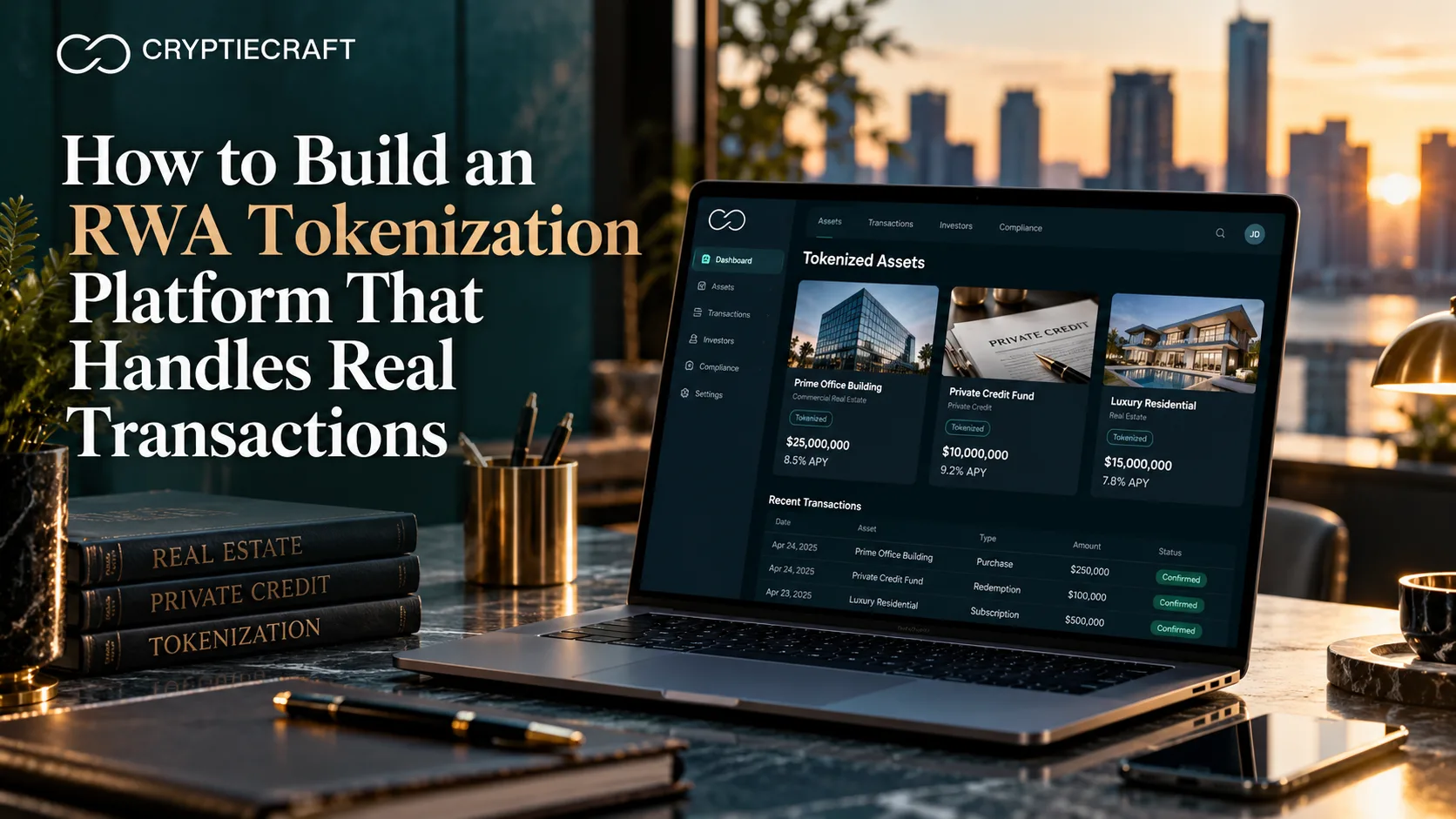

In 2026, executive leadership teams are redefining how value is created, stored, and transferred across global markets. Traditional asset management structures, once considered stable and reliable, are now being challenged by blockchain-driven innovation. Among these, asset tokenization has emerged as one of the most transformative developments, capturing the attention of boardrooms across industries.
Organizations are no longer viewing tokenization as a speculative technology experiment. Instead, it has become a strategic initiative capable of unlocking liquidity, improving transparency, and enabling fractional ownership. Whether dealing with real estate, private equity, infrastructure, or collectibles, enterprises are recognizing that digital tokens can reshape how assets are bought, sold, and governed.
As leadership teams evaluate long-term competitiveness, Asset Tokenization Platform Development is increasingly positioned alongside cloud adoption and AI integration as a foundational investment. Executives understand that delaying adoption could mean losing access to emerging capital markets and digitally native investors.
The rising interest in the Real Estate Tokenization Platform further illustrates this shift. Property has historically been illiquid and capital-intensive, but tokenization introduces flexibility that aligns with modern investment expectations.
Understanding Asset Tokenization in the Enterprise Context
Asset tokenization refers to the process of converting ownership rights of a physical or digital asset into blockchain-based tokens. These tokens represent a share of the asset and can be traded securely while maintaining an immutable ownership record.
From an enterprise perspective, tokenization is not simply about technology. It is about operational efficiency, governance, and new revenue models.
Consider how a Real Estate Tokenization company structures investment opportunities. Instead of requiring a single buyer to acquire a commercial property, ownership can be divided into thousands of tokens, allowing multiple investors to participate. This democratization of access significantly expands the investor base while accelerating capital formation.
Board members increasingly appreciate that tokenization platforms offer:
• Enhanced liquidity for traditionally illiquid assets
• Reduced dependency on intermediaries
• Faster settlement cycles
• Stronger audit trails
• Global investor participation
These advantages collectively explain why asset tokenization is moving from innovation labs directly into corporate strategy discussions.
Why Boards Are Treating Tokenization as a Strategic Imperative
The modern boardroom is shaped by risk awareness, digital transformation goals, and shareholder expectations. Asset tokenization aligns with all three priorities.
First, tokenization introduces operational resilience. Blockchain infrastructure minimizes reconciliation errors and reduces the probability of fraud. Second, it supports digital-first business models that investors increasingly reward.
Executives are also under pressure to modernize capital strategies. Tokenized offerings create alternative fundraising channels that bypass traditional bottlenecks such as lengthy underwriting processes.
The evolution of Real Estate Tokenization Services demonstrates how organizations can package properties into investable digital units, opening pathways for institutional and retail investors alike.
Boardrooms are asking a critical question: if competitors tokenize assets and unlock faster liquidity, can we afford not to?
The Liquidity Revolution Driving Executive Interest
Liquidity has always been a defining factor in asset attractiveness. Illiquid holdings tie up capital and restrict organizational agility. Tokenization fundamentally changes this equation.
Through real estate tokenization development, properties that once required years to divest can now be partially sold through digital marketplaces. This flexibility allows enterprises to rebalance portfolios quickly and respond to macroeconomic shifts.
Leadership teams see tokenization as a mechanism for transforming dormant value into active capital.
Key liquidity advantages include:
• Fractional ownership enabling smaller investment tickets
• Secondary trading opportunities
• Faster exit options
• Increased transaction velocity
• Broader market reach
For boards focused on return on capital, these features represent a powerful incentive to prioritize platform development.
Institutional Adoption Is Accelerating Confidence
One reason asset tokenization has gained board-level attention is the growing participation of institutional players. Large asset managers, banks, and investment firms are actively exploring tokenized securities.
This institutional momentum reduces perceived risk and signals long-term viability.
A Real Estate Tokenization Development company often collaborates with regulatory experts, custodians, and financial advisors to ensure compliant frameworks. Such partnerships reassure executives that tokenization is evolving within structured financial ecosystems rather than outside them.
As credibility increases, hesitation decreases. Board members who once viewed blockchain cautiously now see tokenization as a pragmatic evolution of financial infrastructure.
Operational Efficiency and Cost Optimization
Efficiency remains a central concern for enterprise leadership. Traditional asset transactions involve multiple intermediaries, manual documentation, and delayed settlements.
Tokenization streamlines these processes through smart contracts that automate compliance checks, dividend distributions, and ownership transfers.
Real Estate Tokenization Development Services illustrate how automation can reduce administrative overhead while improving accuracy.
Operational improvements typically include:
• Automated investor onboarding
• Digitized compliance workflows
• Reduced legal processing time
• Lower transaction fees
• Real-time reporting capabilities
For CFOs, these efficiencies translate directly into measurable cost savings.
Transparency and Governance Improvements
Corporate governance has become increasingly scrutinized by regulators and investors. Tokenization enhances transparency by creating tamper-resistant records accessible to authorized stakeholders.
Every transaction is recorded on a distributed ledger, strengthening accountability across the asset lifecycle.
When implemented correctly, Real Estate Tokenization provides a level of visibility that traditional ownership structures struggle to match. Board members recognize that improved transparency can strengthen investor trust and support regulatory compliance.
This governance advantage is especially important for multinational firms managing diverse asset portfolios.
Expanding Access to Global Capital
Capital formation is no longer confined by geography. Tokenized assets can attract investors from multiple jurisdictions, subject to regulatory frameworks.
This global reach is particularly transformative for real estate. Historically, cross-border property investment involved complex legal procedures and high entry barriers.
A Real Estate Tokenization Platform removes many of these frictions by digitizing ownership and simplifying participation.
From a boardroom perspective, access to international capital means:
• Greater fundraising flexibility
• Reduced reliance on domestic markets
• Higher valuation potential
• Diversified investor pools
In an uncertain economic climate, diversification is a strategic advantage few organizations can ignore.
Competitive Differentiation in a Digital Economy
Digital maturity increasingly separates market leaders from laggards. Companies that adopt emerging infrastructure early often define industry standards.
By investing in asset tokenization platforms, enterprises position themselves as innovators rather than followers.
A forward-thinking Real Estate Tokenization company does more than tokenize property. It creates ecosystems where investors, brokers, and asset managers interact seamlessly.
Boards understand that technological leadership influences brand perception, investor confidence, and partnership opportunities.
Failing to innovate can gradually erode market relevance.
Risk Management Through Programmable Assets
Risk is not eliminated through tokenization, but it becomes more manageable.
Programmable tokens allow organizations to embed compliance rules directly into asset logic. Restrictions on transferability, investor eligibility, and holding periods can be automated.
Real estate tokenization development enables structured safeguards that reduce human error.
Risk mitigation strategies often include:
• Smart contract audits
• Regulatory alignment
• Identity verification protocols
• Secure custody solutions
• Continuous monitoring systems
Such controls give boards the confidence needed to approve large-scale digital initiatives.
The Role of Technology Maturity
Earlier blockchain limitations, including scalability concerns and user complexity, slowed enterprise adoption. However, technological advancements have addressed many of these barriers.
Modern platforms offer improved throughput, enterprise-grade security, and intuitive user experiences.
Real Estate Tokenization Services now integrate with existing financial systems, making adoption less disruptive.
Boardrooms typically prioritize technologies that complement current infrastructure rather than replace it entirely. Tokenization increasingly meets that expectation.
Revenue Innovation and Business Model Transformation
Tokenization does more than optimize existing processes. It creates entirely new revenue streams.
Organizations can monetize assets through fractional sales, token-based leasing structures, or digital marketplaces.
A Real Estate Tokenization Platform allows asset owners to unlock value without relinquishing full control.
This flexibility supports innovative strategies such as:
• Tokenized real estate funds
• Pay-per-use ownership models
• Hybrid investment vehicles
• Digitally tradable shares
For boards seeking growth beyond traditional channels, these models are highly attractive.
Regulatory Progress Is Reducing Uncertainty
Regulatory ambiguity once discouraged enterprise engagement with tokenized assets. Today, many jurisdictions are developing clearer frameworks for digital securities.
Although regulations vary globally, the overall trajectory favors structured adoption rather than prohibition.
Partnering with a Real Estate Tokenization Development company helps enterprises navigate compliance requirements while building investor confidence.
Boards are far more likely to approve initiatives when regulatory pathways are visible and evolving positively.
Strengthening Investor Engagement
Modern investors expect transparency, speed, and accessibility. Tokenization aligns closely with these expectations.
Digital dashboards, automated reporting, and near-instant transactions create a more engaging investment experience.
Real Estate Tokenization enhances communication between asset owners and stakeholders, fostering long-term relationships.
Investor-centric advantages include:
• Real-time portfolio insights
• Simplified dividend distribution
• Enhanced liquidity visibility
• Lower participation barriers
Stronger engagement often translates into higher retention and repeat investment.
Sustainability and Smart Asset Management
Sustainability has become a board-level priority across industries. Tokenization can support environmental and governance goals by digitizing documentation and reducing paper-intensive processes.
Additionally, smart asset tracking improves resource allocation and lifecycle management.
A Real Estate Tokenization company may integrate performance analytics that help organizations optimize building usage, energy consumption, and maintenance planning.
These capabilities align with broader ESG objectives that investors increasingly evaluate.
Building the Right Tokenization Strategy
Successful adoption requires more than technology deployment. It demands a deliberate strategy aligned with organizational goals.
Boards typically focus on phased implementation rather than immediate large-scale transformation.
Strategic methods often include:
• Identifying high-value assets suitable for tokenization
• Conducting feasibility and regulatory assessments
• Selecting experienced technology partners
• Designing investor-friendly structures
• Launching pilot projects before scaling
Real Estate Tokenization Development Services frequently guide enterprises through these stages, ensuring that execution matches strategic intent.
Overcoming Organizational Resistance
Every transformation effort encounters internal skepticism. Tokenization is no exception.
Leadership teams must address concerns related to cybersecurity, regulatory exposure, and operational change.
Education plays a critical role. When executives understand how tokenization supports long-term resilience, resistance tends to diminish.
Cross-functional collaboration between legal, finance, and technology departments further accelerates adoption.
A well-supported real estate tokenization development initiative often becomes a catalyst for broader digital transformation.
The Future Boardroom: Tokenization as Core Infrastructure
Looking ahead, asset tokenization is unlikely to remain a niche capability. Instead, it is poised to become a core layer of financial infrastructure.
Just as cloud computing evolved from optional to essential, tokenization appears to be following a similar trajectory.
The continued expansion of the Real Estate Tokenization Platform signals that physical and digital economies are converging.
Boards that act early gain valuable experience, establish market credibility, and capture investor attention before competition intensifies.
Conclusion: From Innovation to Executive Mandate
Asset tokenization has moved beyond conceptual promise into operational reality. Its ability to enhance liquidity, improve governance, attract global capital, and unlock new revenue models explains why it is rapidly becoming a boardroom priority in 2026.
The growing influence of Real Estate Tokenization demonstrates how even traditionally conservative sectors are embracing digital ownership frameworks.
For modern enterprises, the question is no longer whether tokenization will reshape asset management, but how quickly they can adapt.
Organizations that collaborate with a capable Real Estate Tokenization Development company, invest in scalable platforms, and align initiatives with strategic objectives will be best positioned to thrive in the evolving financial landscape.
As competition intensifies and investor expectations rise, Asset Tokenization Platform Development is transitioning from a forward-looking experiment into an executive mandate. Boards that recognize this shift today are laying the groundwork for a more liquid, transparent, and globally connected future.