Introduction
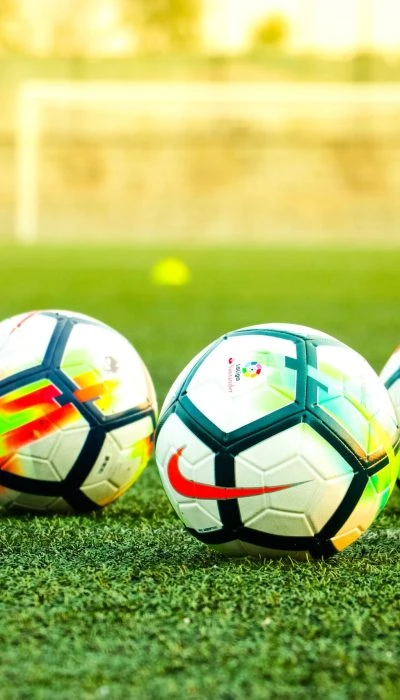
Bangalore's football scene is going through an amazing change. The city's love for the beautiful game has sparked a revolution in sports facilities, with artificial turf leading the way.
BlitzzSports Arena, located in the heart of Bangalore, is a shining example of this change. This top-notch facility has become a haven for football fans, featuring high-quality artificial turf that hosts numerous matches and training sessions every week.
The shift towards synthetic playing surfaces in Bangalore isn't just a trend - it's a response to practical challenges and modern demands. Local sports facilities, from neighborhood academies to professional training grounds, are increasingly choosing artificial turf for their playing surfaces.
This increase in the use of artificial turf shows how vibrant Bangalore's sporting culture is:
- Multiple games can be played back-to-back without damaging the surface
- Weather conditions don't disrupt training schedules
- Facilities can operate at maximum capacity
- Players enjoy consistent playing conditions throughout the year
The rise of artificial football turf in Bangalore represents a perfect mix of innovation and necessity. As the city's football community expands, these synthetic surfaces are proving vital in meeting the growing demand for top-notch playing facilities while tackling practical issues like space limitations, maintenance requirements, and climate adaptability.
Advantages of Artificial Turf in Bangalore's Football Scene
Artificial turf is changing the game for football in Bangalore, offering unique benefits that tackle the city's specific challenges. This move from natural grass to synthetic surfaces provides practical solutions for facility managers, players, and sports organizations.
1. Low Maintenance Requirements
Artificial turf fields require minimal upkeep compared to natural grass pitches. A typical natural grass field demands:
- Daily watering schedules
- Weekly mowing
- Regular fertilization
- Constant monitoring for pest infestations
- Seasonal reseeding
- Professional groundskeeping staff
In contrast, artificial turf maintenance involves:
- Monthly brushing to maintain fiber direction
- Basic cleaning to remove debris
- Occasional disinfection
- Annual professional inspection
This reduced maintenance schedule creates significant benefits for sports facilities operating with limited resources. Small clubs and neighborhood facilities can now offer professional-grade playing surfaces without extensive groundskeeping teams or expensive maintenance equipment.
The practical impact extends beyond simple convenience. Sports facility managers report 40-60% reduction in maintenance hours after switching to artificial turf. This time-saving allows staff to focus on other essential aspects of facility management, such as:
- Improving player amenities
- Organizing tournaments
- Developing youth programs
- Enhancing spectator facilities
Local sports academies benefit from the predictable playing surface artificial turf provides. Players train on consistent ground conditions, eliminating variables that natural grass introduces through weather changes and wear patterns. This consistency proves invaluable for skill development and match preparation.
The maintenance advantages of artificial turf align perfectly with Bangalore's resource constraints. Facilities operating with skeleton crews maintain professional-grade playing surfaces year-round. This accessibility democratizes football, making quality playing surfaces available to a broader segment of the community.
2. Enhanced Durability for Year-Round Playability
Artificial turf's resilience stands out in Bangalore's challenging climate conditions. The synthetic fibres withstand intense sun exposure, heavy rainfall during monsoons, and constant player traffic without deteriorating. A well-installed artificial turf field maintains its pristine condition for 8-10 years under regular use.
The durability benefits are evident at BlitzzSports Arena, where teams practice and compete throughout the year. The field's consistent playing surface remains unaffected by:
- Heavy foot traffic from multiple matches per day
- Intense practice sessions
- Tournament events
- Training camps
Bangalore's unpredictable weather patterns pose minimal disruption to scheduled matches on artificial turf. The advanced drainage systems prevent waterlogging during monsoons, allowing play to resume shortly after rainfall. The turf's UV-resistant properties protect against color fading and fiber breakdown in the summer heat.
The stable playing surface eliminates common natural grass issues like:
- Muddy patches
- Uneven spots
- Bare areas
- Root damage
This reliability has transformed Bangalore's football scene, enabling year-round tournaments and consistent training schedules for both amateur and professional teams.
3. Cost-Effectiveness for Schools and Sports Organizations
Initial installation costs for artificial turf range from ₹35-45 lakhs, yet this investment pays off through:
- Zero water bills
- No mowing equipment purchases
- Eliminated fertilizer expenses
- Reduced labor costs
- Minimal repair requirements
The lifespan of quality artificial turf spans 8-10 years with proper care, making it a smart financial choice for educational institutions. Sports organizations can maximize field rental hours without worrying about grass recovery periods, creating additional revenue streams. Many facilities recover their initial investment within 3-4 years through reduced maintenance costs and increased booking capacity.
Moreover, the advantages of synthetic turf extend beyond cost savings. As highlighted in this detailed analysis of the pros and cons of synthetic and natural athletic turf, the durability and low-maintenance nature of artificial grass make it an ideal choice for sports organizations. For further insights into the specifics of football turf in Bangalore, including frequently asked questions and expert advice, these resources provide valuable information.
4. Eco-Friendly Choice Supporting Water Conservation Efforts
Water scarcity remains a critical challenge in India, with Bangalore facing significant pressure on its water resources. Natural grass football fields demand extensive irrigation - consuming up to 500,000 gallons of water annually for a standard-sized pitch. Artificial turf eliminates this water requirement completely.
Adoption of artificial turf showcases the substantial water savings possible through this sustainable choice. Their irrigation-free playing surface saves approximately 1.5 million liters of water yearly compared to traditional grass fields.
The environmental benefits extend beyond water conservation:
- Zero pesticides and fertilizers needed
- Reduced carbon footprint from eliminating lawn maintenance equipment
- Decreased waste as artificial turf can be recycled at the end of its lifecycle
This resource-efficient approach aligns with Bangalore's growing focus on sustainable urban development. Local sports facilities switching to artificial turf contribute to the city's water conservation efforts while maintaining high-quality playing surfaces for athletes.
The adoption of artificial turf by sports venues represents a practical solution to balance athletic performance with environmental responsibility in water-stressed urban areas.
Technological Innovations Enhancing Artificial Turf Experience
The latest generation of artificial football turf in Bangalore brings revolutionary advancements that transform Bangalore's football experience. These technological breakthroughs address previous concerns about synthetic surfaces while elevating player performance and safety.
1. Player Safety Enhancements with Advanced Features
Modern artificial turf systems incorporate sophisticated shock absorption technology:
- Dual-Layer Cushioning System: The latest installations feature a specialized shock pad underneath the turf layer, reducing impact forces by up to 40% compared to traditional surfaces
- Dynamic Force Reduction: Advanced fiber materials distribute player weight evenly, minimizing joint stress during quick directional changes
- Heat-Resistant Fibers: New cooling technologies reduce surface temperatures by 15-20 degrees Celsius during peak summer months
2. Performance-Optimizing Innovations
Recent technological developments focus on creating playing conditions that mirror natural grass:
- Anti-Static Properties: Special fiber treatments prevent static electricity buildup, ensuring consistent ball roll and player movement
- Multi-Directional Fiber Structure: Enhanced blade design allows natural ball bounce and improved grip for cleats
- Specialized Infill Materials: Organic infill options like coconut husks provide natural cushioning while maintaining optimal field density
3. Smart Monitoring Systems
Digital integration enhances maintenance and usage:
- Embedded Sensors: Track field usage patterns and surface conditions
- Real-time Analytics: Monitor impact absorption levels and surface temperature
- Maintenance Alerts: Automated notifications for brushing and infill redistribution
4. Environmental Technology Integration
Advanced eco-friendly features enhance sustainability:
- Recycled Materials: Up to 80% of turf components come from recycled sources
- UV-Resistant Fibers: Extended lifespan under Bangalore's intense sun exposure
- Drainage Optimization: Smart drainage systems capture and filter rainwater for reuse
These technological innovations create safer, more consistent playing surfaces across Bangalore's football facilities. The integration of smart technology with enhanced safety features positions artificial turf as the preferred choice for modern football infrastructure.
Government Initiatives Supporting Artificial Turf Adoption in Bangalore
The Karnataka state government has launched significant initiatives to boost sports infrastructure development across Bangalore. The Sports Authority of Karnataka allocated ₹25 crores in 2023 specifically for artificial turf installations at public sports facilities.
Key government programs driving artificial turf adoption include:
- Khelo India Youth Games Infrastructure Grant - Providing up to 70% funding for artificial turf installation at educational institutions
- Smart City Sports Initiative - Integrating modern sports facilities with artificial turf in urban development projects
- Public-Private Partnership (PPP) Model - Encouraging private sector participation in sports infrastructure development
The Urban Sports Infrastructure Development Scheme has already facilitated the installation of artificial turf at:
- Bangalore Football Stadium
- HSR Sports Complex
- Yelahanka Sports Ground
- Electronic City Sports Arena
The government's commitment extends beyond funding - specialized training programs help facility managers maintain artificial turf surfaces effectively. A dedicated sports infrastructure committee reviews maintenance protocols and updates guidelines based on international standards.
Local sports associations can now apply for grants covering up to 80% of artificial turf installation costs through the Karnataka Sports Infrastructure Development Program. This initiative aims to create 15 new artificial turf facilities across Bangalore by 2025.
The Future of Football with Artificial Turf in Bangalore: Predictions and Community Impact
The adoption of artificial football turf in Bangalore signals a transformative shift in sports infrastructure development. Industry experts predict a 50% increase in artificial turf installations across the city by 2025, driven by:
- Rising demand from educational institutions
- Growing number of community sports centers
- Increased awareness of environmental sustainability
The impact on local communities extends beyond just playing surfaces:
1. Youth Development Programs
- Year-round training opportunities
- Enhanced skill development facilities
- Increased participation in organized sports
2. Economic Growth
- New job opportunities in turf maintenance
- Sports tourism potential
- Development of local football leagues
3. Environmental Benefits
- Reduced water consumption
- Lower carbon footprint
- Sustainable urban development
The integration of smart technology with artificial turf installations promises exciting developments:
- Real-time performance tracking
- Advanced injury prevention systems
- Climate-responsive turf solutions
These advancements position Bangalore as a potential hub for sports innovation in India. Local football academies report a 30% increase in student enrollment since switching to artificial turf, highlighting the growing acceptance and preference for these modern playing surfaces.
The combination of community engagement, technological advancement, and environmental consciousness suggests a bright future for artificial turf in Bangalore's evolving football landscape.
Conclusion
Artificial turf is popular in Bangalore's football scene because it can meet several important needs. It offers a sustainable solution for the city's growing sports infrastructure demands with lower maintenance costs, longer lifespan, and water conservation.
The practical benefits of artificial turf are shown by its use in facilities like BlitzzSports Arena:
- 60% reduction in operational costs
- Year-round availability for matches
- Consistent playing surface quality
- Minimal water consumption
- Enhanced player safety features
These advantages make artificial turf a key factor in Bangalore's football development. Its impact goes beyond professional sports, allowing schools and community centres to have top-notch facilities without using too many resources.
The move towards artificial turf is part of a larger change in Bangalore's sports infrastructure. This change helps the city become a major football center while also addressing environmental issues and resource limitations.