
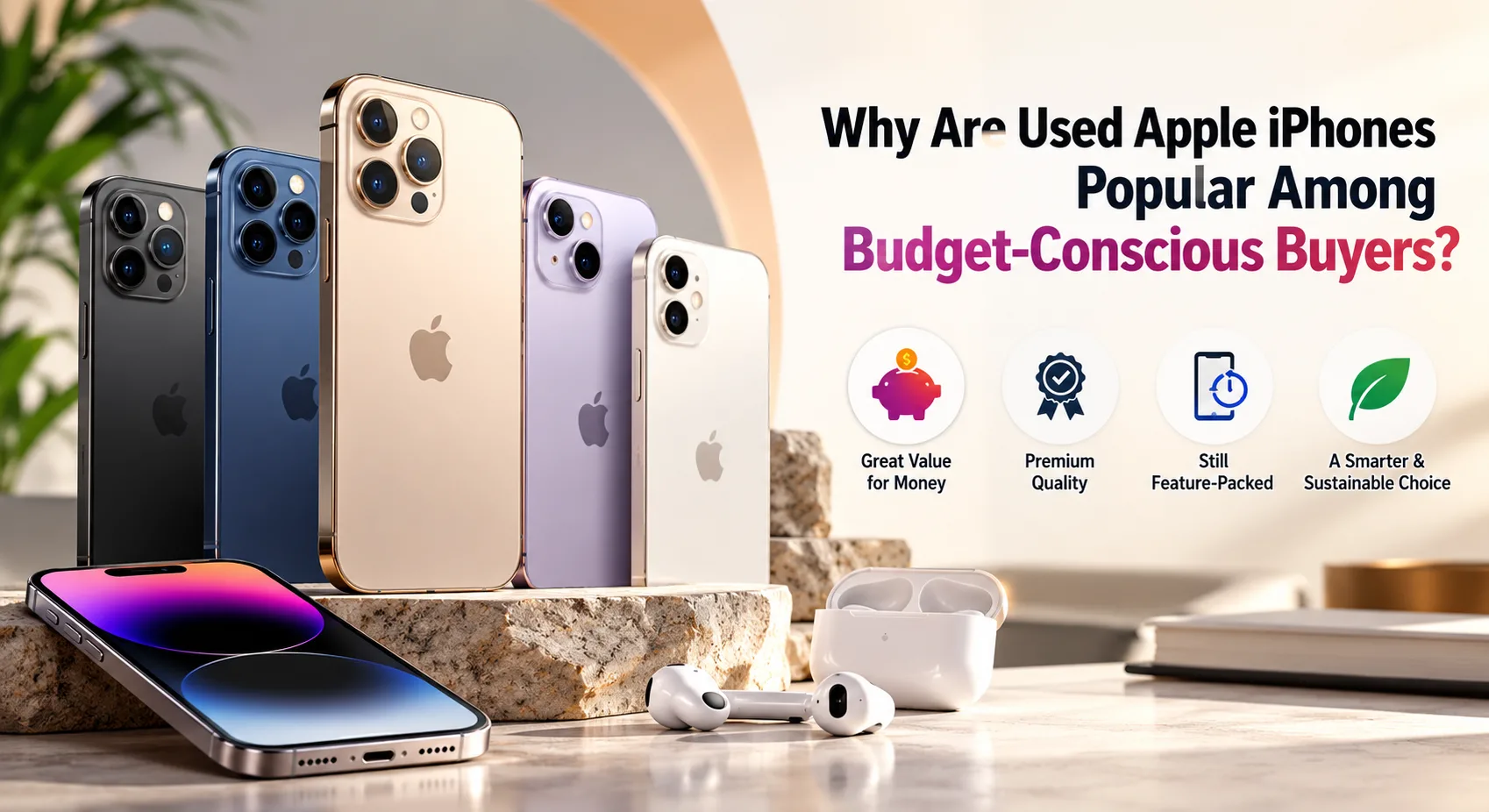
Apple iPhones are known for their premium design, reliable performance, strong security features, and long-term software support. However, purchasing a brand-new iPhone can require a significant investment. This has made pre-owned devices an attractive option for people who want Apple’s technology without paying the full price of a new model. A carefully inspected second-hand iPhone can offer excellent value while still providing many of the features associated with the Apple ecosystem.
For buyers researching Used Apple iPhones in France, understanding the factors that influence quality, price, and reliability is important. Different models, storage capacities, conditions, and battery health levels can create considerable differences in value. Knowing what to check before purchasing can help buyers make a more informed decision and avoid devices that may have hidden problems.
Why Are Pre-Owned iPhones Considered Cost-Effective?
One of the main advantages of purchasing a used iPhone is the lower upfront cost. iPhones generally maintain their value reasonably well, but their prices decrease as newer generations are introduced. This depreciation allows buyers to access previous flagship models at prices that may be considerably lower than their original retail prices.
A previous-generation iPhone can still provide a fast processor, quality camera system, high-resolution display, and modern connectivity. For buyers who do not require the newest features, choosing an older model can therefore provide a practical balance between performance and affordability.
What Should Buyers Check Before Purchasing?
The physical condition of a used iPhone is one of the first factors to examine. Buyers should check the screen for cracks, scratches, dead pixels, or unusual display issues. The frame and back panel should also be inspected for signs of serious impact or damage.
Battery health deserves particular attention. As batteries naturally lose capacity through repeated charging cycles, a device with significantly reduced battery health may require a replacement sooner. Buyers should also test the charging port, speakers, microphone, cameras, buttons, Face ID or Touch ID, and wireless connectivity.
It is also important to verify that the device functions normally without restrictions. The phone should be properly removed from the previous owner's Apple account, allowing the new owner to activate and use it without activation-lock problems.
How Does the iPhone Model Affect Value?
Different iPhone generations offer different levels of performance and features. Newer models typically provide more advanced processors, improved cameras, better displays, and longer expected software support. Older models may be cheaper but could have a shorter remaining period of major iOS updates.
Storage capacity is another important consideration. Users who regularly take photographs, record videos, download applications, or store large files may benefit from higher storage. Buyers with lighter requirements can potentially save money by selecting a lower-capacity model.
The right choice therefore depends on how the device will be used rather than simply choosing the newest available generation.
Why Is Software Support Important?
Apple's software ecosystem is an important part of an iPhone's long-term usefulness. Regular operating system updates can introduce new features, security improvements, and compatibility enhancements. When buying a used device, checking its current software version and compatibility with supported updates can help determine its remaining practical lifespan.
Security should also be considered. A device that can receive current security updates generally provides a stronger foundation for handling personal information, online accounts, payments, and other sensitive activities.
How Can Buyers Compare Prices Effectively?
Price comparison should involve more than looking at the cheapest available device. Two phones with the same model and storage capacity can have different prices because of battery condition, cosmetic condition, warranty coverage, accessories, and seller reputation.
Buyers should compare devices with similar specifications and conditions. A slightly more expensive phone from a reliable seller with proper testing and warranty coverage may provide greater value than a cheaper device with uncertain history.
It is also useful to understand whether the listed price includes necessary accessories or additional services. Clear information about the device's condition and return policy can make the purchasing process more transparent.
What Makes a Used iPhone a Practical Choice?
A used iPhone can be a practical option for students, professionals, families, and other buyers who want reliable smartphone performance while controlling their spending. Apple's hardware quality and software ecosystem can make older models useful for several years when they have been properly maintained.
However, buyers should avoid making decisions based solely on appearance or price. Checking battery health, device functionality, software support, storage, and seller reliability can provide a much clearer picture of the actual value.
Also Read :- Essential Checklist for Selecting a Secondhand iPhone
Conclusion
Choosing a pre-owned iPhone requires careful evaluation, but it can provide access to premium smartphone technology at a more manageable cost. By checking the device's condition, battery health, software support, specifications, and seller reliability, buyers can make a more informed purchasing decision. Reputable suppliers such as GLP Wireless can also help buyers explore pre-owned Apple devices with greater confidence and transparency.