Wedding photographs usually focus on the haldi, couple’s entry, varmala, pheras and reception. Yet families often remember something less formal: cousins talking after breakfast, grandparents meeting relatives after many years, children playing together or friends sharing tea before the next ceremony.
These moments happen between scheduled events. They cannot be completely planned, but the wedding environment can either create space for them or make them impossible.
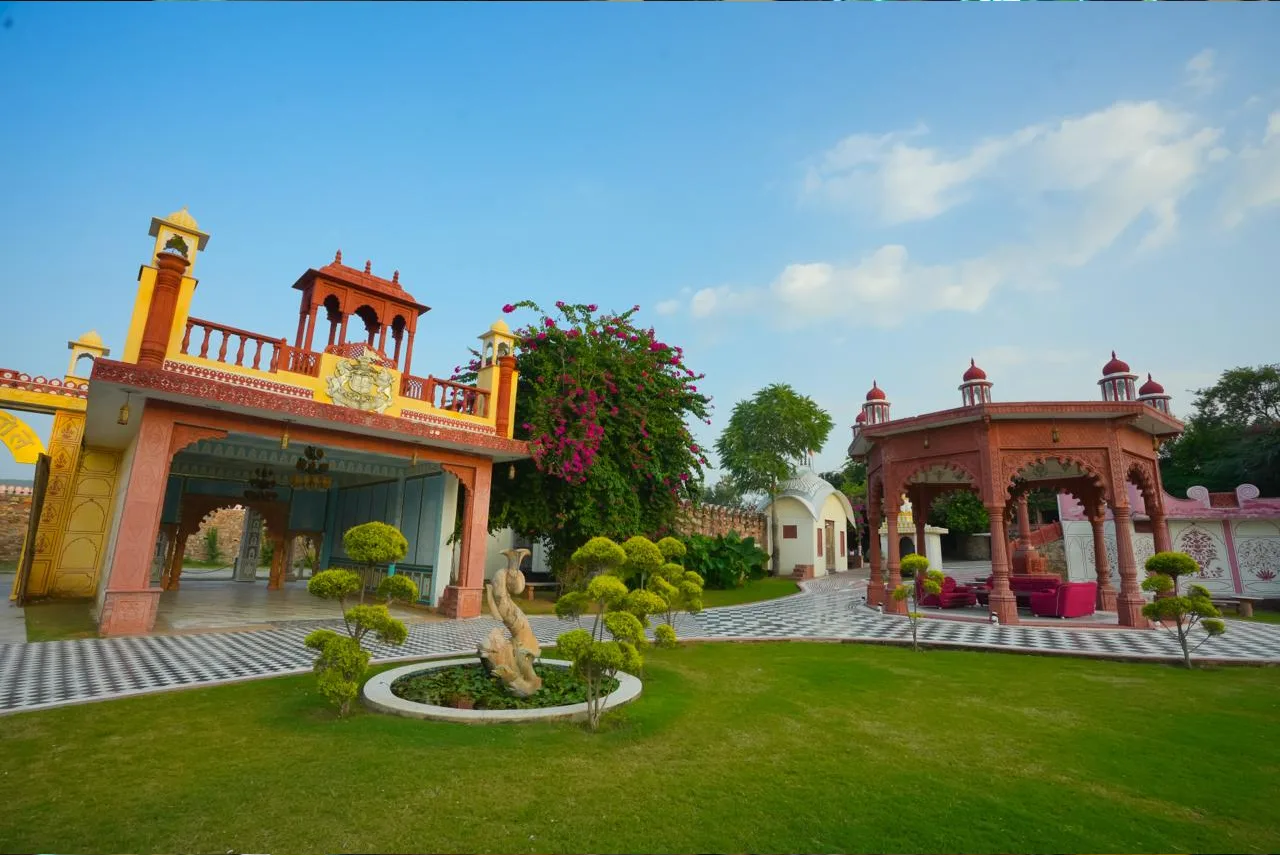
At Lohagarh Fort Resort, accommodation and wedding venues are located within the same expansive campus. This means guests can remain together throughout a multi-day celebration instead of repeatedly dispersing between hotels, banquet halls and vehicles.
A Wedding Is More Than Its Published Schedule
A typical destination-wedding itinerary may include welcome refreshments, haldi, mehendi, sangeet, the main ceremony, reception and farewell brunch.
The programme tells guests where to be, but the emotional experience also develops during unscheduled hours. A relaxed breakfast can give relatives more time together than a crowded reception. A walk between functions may allow two family members to reconnect after years apart.
When a wedding is divided across different city locations, much of this time disappears into packing, waiting for cars and travelling through traffic.
Hosting the celebration at Lohagarh Fort Resort helps create meaningful family time between wedding ceremonies because guests stay close to both their accommodation and the celebration spaces.
Why Multi-Day Weddings Need Breathing Space
Trying to fit every function into a tightly packed programme can leave guests tired and ceremonies delayed. People need time to rest, change clothes, eat and prepare for the next event.
A thoughtful schedule respects the rhythm of the wedding. A daytime haldi does not need to be followed immediately by the sangeet. Guests can return to their rooms, relax and gather again with renewed energy.
This is particularly important after a late-night celebration. Starting the next morning too early may affect attendance and the overall mood.
The objective should not be to fill every available hour. It should be to allow each function to receive proper attention.
Keeping Families Together Without Making Them Feel Busy
Togetherness does not require organised entertainment at all times. Sometimes guests simply want a comfortable place to sit and speak with relatives.
Because Lohagarh Fort Resort combines wedding venues with rooms, suites, villas and family accommodations, guests do not need to leave the property during the gaps between functions.
Subject to availability, operating hours and the wedding schedule, families can also discuss whether selected resort facilities or recreational experiences can be included during leisure periods.
Guests can choose whether to participate, rest or spend informal time with family. This flexibility makes the celebration feel welcoming rather than compulsory.
Giving Each Generation Its Own Pace
Different generations experience weddings differently.
Younger guests may want music, photography and late-night celebrations. Elderly relatives may value traditional rituals and quiet family conversations. Parents with children need flexibility around meals and rest.
A single-campus wedding makes these different preferences easier to manage. An elderly guest can return to their room after offering blessings. Parents can take their children for a break. Friends can continue enjoying the celebration without forcing every guest to follow the same schedule.
The family remains connected, but each person can experience the wedding at a comfortable pace.
Using Different Venues to Change the Energy
Lohagarh Fort Resort offers multiple settings for intimate and large functions. This allows the wedding’s energy to rise and fall naturally.
A welcome gathering can begin at Swaagat Kaksh. Haldi or mehendi can unfold in Maharani Bagh or Flower Valley Garden. A sangeet or reception may use Maharaja Surajmal Banquet Hall or a larger outdoor lawn.
The main rituals can then move to Jal Mandap, the dedicated phera setting beside water and beneath a 300-year-old Pipal tree.
These transitions help guests understand the emotional purpose of each ceremony. Not every function needs maximum production, sound or scale.
The Value of an Unhurried Wedding Morning
The morning after the wedding is often overlooked. Guests may be checking out, arranging luggage and preparing for return journeys, but this is also the final opportunity for both families to spend time together.
A farewell breakfast or brunch within the resort can provide a gentle conclusion. Guests can share memories, exchange photographs and say goodbye without immediately rushing towards vehicles.
Because everyone is already staying at the property, the meal can be coordinated with check-out and departure schedules.
This creates a farewell brunch experience after a resort wedding that feels like part of the celebration rather than an administrative formality.
Informal Moments Can Strengthen New Relationships
A marriage brings together more than two individuals. It connects families, friends and social circles that may not have met before.
Formal functions do not always provide enough time for meaningful conversations. Music, rituals, photography and announcements keep everyone occupied.
The intervals between events allow the bride’s and groom’s families to become comfortable with one another. These conversations may continue over breakfast, during a quiet afternoon or while walking back from a function.
Such experiences can be especially meaningful in destination weddings because guests are not leaving immediately after a few hours.
Planning Leisure Without Over-Scheduling It
Families may want to create optional experiences for guests during free time. The key word is optional.
A guest itinerary can mention available activities or relaxed gathering points without making every activity compulsory. Guests who want to rest should feel equally comfortable doing so.
The resort team should be consulted regarding availability, operating timings and how leisure activities can be coordinated without interfering with wedding preparations.
A flexible plan may include a late breakfast, an informal family gathering or time to enjoy the landscaped surroundings before the next ceremony.
How These Moments Improve the Main Functions
Rested guests participate more enthusiastically. They arrive at the venue with enough energy for performances, rituals and photographs.
The couple also benefits from a balanced schedule. They gain time to eat, rest, change and emotionally prepare for the next ceremony instead of being continuously moved from one stage to another.
By protecting the quieter intervals, families can make the formal events feel more enjoyable and less rushed.
Final Thoughts
The success of a destination wedding should not be judged only by the size of its stage or the number of functions in its itinerary. It should also be measured by the time families genuinely spend together.
Lohagarh Fort Resort supports a slow-paced wedding experience for extended families by bringing accommodation, celebration venues, dining and hospitality into one destination. This connected environment gives guests room to rest, reconnect and create memories that happen naturally between the main ceremonies.