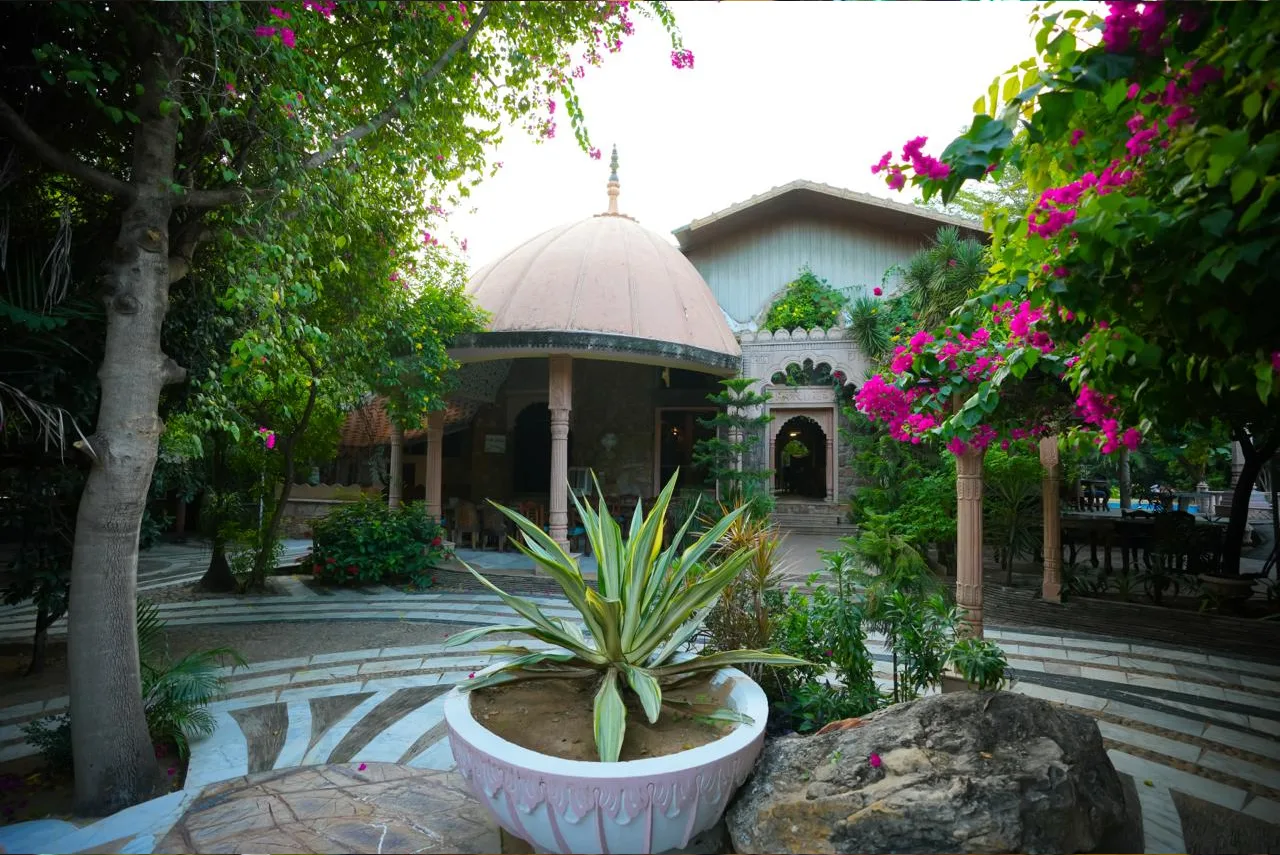
Most travel plans focus on things that can be seen: monuments, viewpoints, architecture and photographs. Yet memory is created through more than sight. The sound of birds in the morning, the feeling of fresh air, the texture of natural materials, the aroma of food and the changing colour of evening light can remain associated with a place for years.
This is why sensory travel is attracting growing interest. It encourages travellers to notice how a destination feels rather than simply documenting what it looks like.
A sensory nature stay near Jaipur can help guests experience this quieter side of travel. At Lohagarh Fort Resort, the combination of natural surroundings, distinctive accommodation and outdoor experiences gives travellers opportunities to engage with the environment through multiple senses.
What Is Sensory Travel?
Sensory travel means experiencing a place through sight, sound, smell, touch and taste. It shifts attention away from the number of attractions visited and towards the quality of the traveller’s interaction with the surroundings.
A conventional itinerary may instruct guests to arrive at a viewpoint, take photographs and leave. A sensory experience encourages them to pause and notice the temperature, sounds, breeze, natural colours and atmosphere of the location.
This form of travel does not require specialised equipment or complicated planning. It mainly requires time and attention.
Morning Has Its Own Character
The atmosphere of a resort can change throughout the day. Morning often feels especially fresh because the environment has not yet become active.
Guests may notice birds, changing sunlight, leaves moving in the breeze and the gradual transition from silence to activity. A slow walk can reveal details that are easily missed later in the day.
Morning can also be a valuable time for families. Children can observe their surroundings, adults can step away from digital distractions, and senior travellers can enjoy the calmer temperature and atmosphere.
Instead of beginning the day with an immediate rush towards sightseeing, guests can allow the destination itself to set the pace.
Sound Can Become Part of a Travel Memory
People often associate particular sounds with meaningful experiences. The sound of water may recall a peaceful afternoon, while birdsong may bring back the memory of an early morning spent outdoors.
Natural sound is very different from the constant background noise of urban life. Traffic, notifications, machinery and crowded public spaces can make silence feel unfamiliar. When travellers enter a quieter environment, they may initially notice the absence of city noise before becoming aware of subtler sounds.
Listening intentionally can be a simple family activity. Everyone can remain quiet for a few minutes and identify the sounds they notice. Children may hear birds or insects, while adults notice wind, water or distant movement.
This exercise requires no screen, equipment or formal programme. It simply helps guests become present in the environment.
Activities Feel Different When Travellers Notice Their Surroundings
Outdoor activities are often described through excitement and movement, but their surroundings are equally important.
During a nature-oriented activity, guests can notice changes in the landscape, animal movement, vegetation and weather. Bird watching encourages patience. Cycling gives travellers a different sense of distance and terrain. An open jeep safari allows guests to experience the environment from another perspective.
Visitors looking for a resort experience inspired by the Aravalli landscape can use these activities as opportunities for observation, not only entertainment.
The aim is not to complete activities rapidly. Guests can select experiences that allow them to interact naturally with the setting and remain attentive to what is happening around them.
Accommodation Can Also Engage the Senses
A room is not merely a place to sleep. Its layout, materials, lighting and connection with the surroundings influence the overall travel experience.
Lohagarh Fort Resort offers different accommodation styles rather than one standard format. Options include rooms, suites, cottages, luxury tents, themed stays, a Tree House and private-pool categories. Each category creates a different atmosphere and should be selected according to the guest’s requirements.
Someone interested in an unusual nature-connected experience may prefer a different category from a family seeking shared accommodation or a couple prioritising privacy.
Before booking, travellers should confirm the exact features, occupancy, views and amenities of their chosen accommodation. This ensures that the actual stay matches the experience they have imagined.
Taste Is an Important Part of Place
Food is one of the strongest ways in which travellers connect with a destination. Flavour, aroma and presentation can create memories that remain long after the journey ends.
A relaxed resort schedule allows meals to become experiences rather than short breaks between sightseeing stops. Families can sit together, discuss the day and pay greater attention to what they are eating.
Taste also has an emotional dimension. A familiar dish can create comfort, while a regional flavour can introduce travellers to the character of a destination. Children may remember a particular breakfast, while adults associate an evening meal with the conversation and atmosphere surrounding it.
Guests with dietary requirements should communicate them in advance and confirm available options with the resort.
Evening Encourages a Different Kind of Attention
As daylight changes, outdoor spaces acquire a different appearance. The warmth of the afternoon gradually reduces, artificial lights begin to appear, and the atmosphere becomes suitable for slower conversations.
Evening can become one of the most valuable parts of a resort holiday because families are no longer preparing to travel to another attraction. They can spend time together, revisit the day’s experiences and decide what they would like to do next without pressure.
Seasonal experiences may further influence the evening atmosphere, although availability should always be confirmed before arrival.
Can Sensory Travel Support Digital Detachment?
Phones are useful for navigation, communication and photography, but constant screen use can distance travellers from the destination they have come to experience.
Sensory travel provides a practical alternative. When guests intentionally observe sounds, light, food, textures and movement, their attention naturally shifts towards the present environment.
This does not require a strict phone ban. Families can create small screen-free periods during meals, walks or activities. Even thirty uninterrupted minutes can change the quality of a shared experience.
A screen-free weekend experience near Jaipur can be planned by choosing a suitable stay package and deciding in advance which parts of the holiday will remain free from routine digital distractions.
How Can Guests Practise Sensory Travel?
Travellers can make their holiday more immersive through simple actions:
- Begin one morning without immediately checking a phone.
- Take a quiet walk and identify five different sounds.
- Observe how the landscape changes between morning and evening.
- Eat at least one meal without screens.
- Allow children to describe what they see, hear and feel.
- Select one activity that requires patience and observation.
- Take fewer photographs but spend more time experiencing each moment.
These practices do not reduce enjoyment. They help travellers experience their surroundings more fully.
Final Thoughts
The deepest travel memories are not always connected to major attractions. They can grow from the sound of water, the freshness of morning air, the colour of evening light or a meal shared without interruption.
Lohagarh Fort Resort gives guests an environment in which these quieter experiences can occur alongside accommodation, activities and leisure. Travellers can still take photographs and enjoy recreational experiences, but they can also pause and notice the details that give a stay its emotional character.
A destination becomes truly memorable when guests remember not only what they saw, but also how the place made them feel.