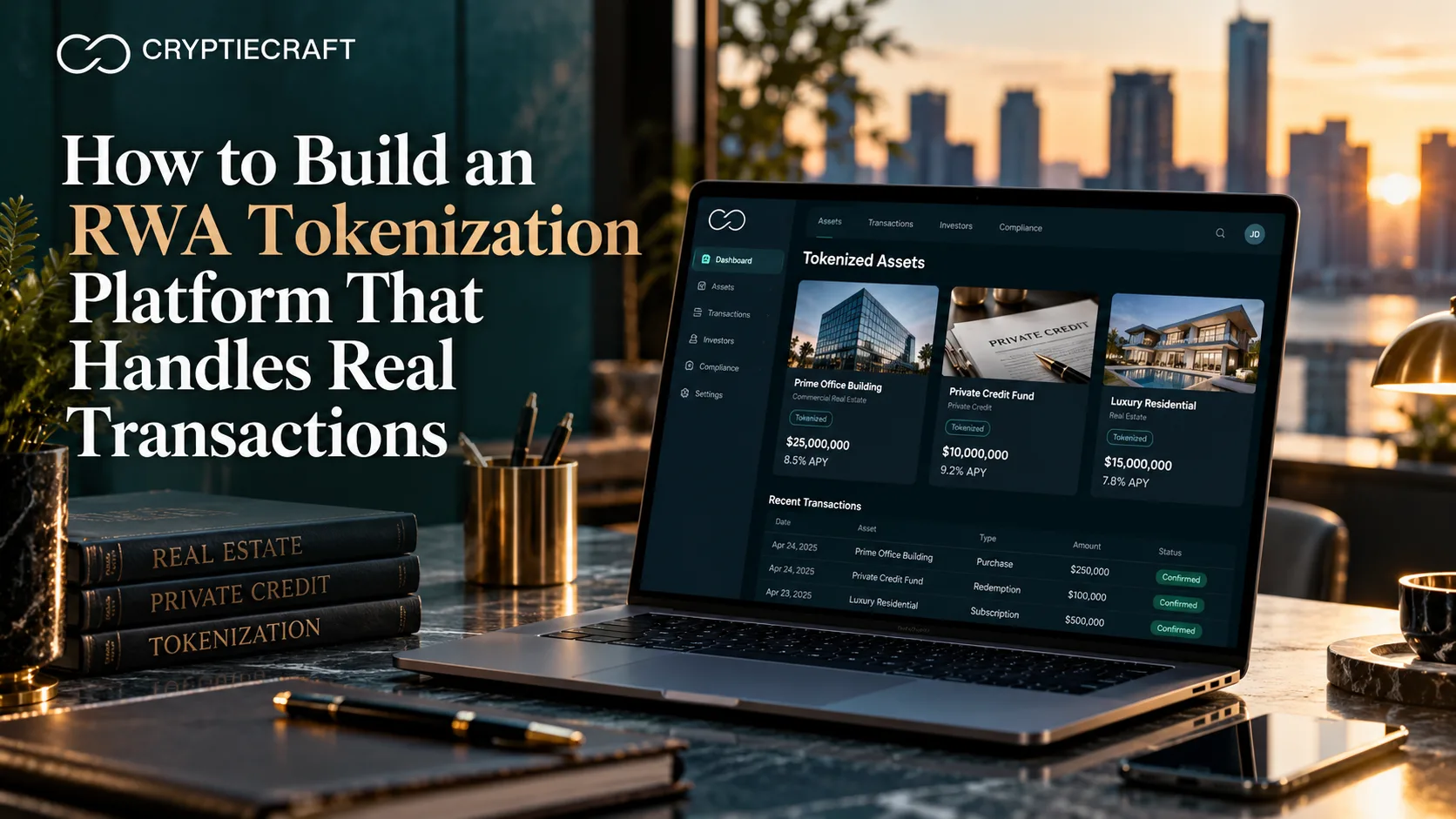

Institutional investors have always been drawn to real estate for its stability, predictable cash flows, inflation hedging characteristics, and portfolio diversification potential. From pension funds and sovereign wealth funds to private equity firms and insurance companies, large capital allocators have historically relied on commercial and residential property assets to anchor long term strategies. However, as global capital markets evolve, these institutions are increasingly exploring Real Estate Tokenization as a transformative approach to modernizing property investment.
The shift is not simply about adopting a new technology trend. It is about solving structural inefficiencies that have long defined traditional real estate markets. Illiquidity, high transaction costs, limited transparency, complex cross border investments, and administrative friction have created barriers even for sophisticated investors. By integrating blockchain infrastructure into property ownership models, Real Estate Tokenization introduces programmable ownership, fractional participation, improved liquidity mechanisms, and streamlined compliance processes.
This article explores why institutional investors are moving toward Real Estate Tokenization, how it reshapes capital markets, and why collaboration with a Real Estate Tokenization Development company or specialized Real Estate Tokenization company is becoming a strategic priority.
The Traditional Institutional Real Estate Model
Institutional real estate investment has traditionally operated through direct property acquisitions, joint ventures, private equity real estate funds, and real estate investment trusts. These structures have enabled large scale capital deployment, but they also come with inherent limitations.
Property transactions are time intensive and capital heavy. Due diligence, legal documentation, title transfers, escrow processes, and regulatory compliance often extend closing cycles over months. Liquidity is limited, as property sales typically require finding buyers willing to transact at significant ticket sizes. Secondary markets for private real estate interests are fragmented and opaque.
For institutions managing billions in assets under management, these constraints translate into reduced agility. Portfolio rebalancing can be slow. Capital is often locked into long term commitments. Cross border transactions involve currency risks, regulatory complexity, and intermediary layers that add cost.
In an era where digital asset markets settle trades in near real time, institutional investors are questioning whether real estate can evolve in similar ways. This is where Real Estate Tokenization becomes compelling.
Understanding Real Estate Tokenization
Real Estate Tokenization refers to the process of converting ownership rights in physical property into digital tokens recorded on a blockchain. Each token represents a fractional or full interest in a property, backed by legal documentation and smart contract logic.
Instead of relying solely on traditional registries and manual processes, tokenized real estate leverages distributed ledger technology to manage ownership records, automate compliance checks, distribute rental income, and facilitate peer to peer transfers under predefined rules.
For institutions, this is not about replacing legal frameworks. It is about enhancing them with programmable infrastructure. A Real Estate Tokenization Platform enables asset managers to structure offerings that comply with securities regulations while introducing operational efficiency and digital liquidity mechanisms.
As a result, Real Estate Tokenization is increasingly viewed as an extension of capital markets modernization rather than a speculative experiment.
Liquidity Enhancement and Secondary Market Potential
One of the primary reasons institutional investors are exploring Real Estate Tokenization is the potential to improve liquidity in an asset class known for being illiquid.
In traditional real estate markets, exiting an investment often requires selling the entire property or negotiating complex secondary transfers of partnership interests. These transactions can take months and involve substantial transaction costs.
Tokenization introduces the possibility of fractional ownership units that can be transferred within regulated digital marketplaces. While liquidity is still subject to market demand and regulatory conditions, the infrastructure allows for more efficient price discovery and faster settlement.
For institutions, this means portfolio flexibility. Instead of being locked into a single asset for years, investors may adjust exposure by trading tokenized units. This agility can enhance capital allocation strategies and reduce liquidity risk premiums traditionally associated with private real estate.
Fractionalization and Capital Efficiency
Institutional investors often allocate capital in large blocks, but fractionalization through Real Estate Tokenization introduces new possibilities for capital efficiency.
By dividing properties into smaller digital units, asset managers can tailor investment structures to meet specific mandates. Pension funds seeking stable income streams may allocate to income producing tokenized assets, while private equity firms may target value add strategies represented by distinct token classes.
Fractionalization also enables co investment structures where multiple institutions participate in high value properties without the administrative burden of complex joint ventures. A well designed Real Estate Tokenization Platform can manage investor onboarding, compliance verification, capital calls, and distribution flows through automated smart contracts.
This programmable framework reduces operational friction and enhances transparency, making collaboration between institutions more seamless.
Transparency and Immutable Record Keeping
Transparency is a cornerstone of institutional investing. Limited partners demand visibility into asset performance, fee structures, and governance processes. Blockchain based systems introduce immutable record keeping, where transactions and ownership transfers are recorded in tamper resistant ledgers.
For institutional investors, this provides confidence in data integrity. Property ownership history, dividend distributions, and governance actions can be tracked in real time. Audit processes become more streamlined, as data is verifiable on chain.
A Real Estate Tokenization company offering robust compliance and reporting tools can integrate these features into its infrastructure. This strengthens investor trust and aligns with institutional standards for risk management.
Streamlined Compliance and Regulatory Integration
Compliance is non negotiable for institutional capital. Regulatory frameworks governing securities, anti money laundering protocols, and investor accreditation requirements must be strictly followed.
Modern Real Estate Tokenization Services integrate compliance directly into token smart contracts. Investor eligibility checks, transfer restrictions, lock up periods, and jurisdictional limitations can be coded into the digital asset itself.
This programmable compliance reduces manual oversight and mitigates regulatory risk. Instead of relying on separate intermediaries to enforce rules, the infrastructure enforces them automatically.
Institutional investors value this embedded compliance model because it reduces administrative overhead and enhances operational control. A Real Estate Tokenization Development company with expertise in securities regulation can design systems that align with local and cross border requirements, ensuring institutional grade reliability.
Global Capital Access and Cross Border Investments
Real estate markets are inherently local, but capital is global. Institutions often seek geographic diversification to hedge economic cycles and currency fluctuations.
Traditional cross border real estate transactions involve significant friction, including legal structuring, currency exchange, banking intermediaries, and regulatory coordination. Real Estate Tokenization introduces a digital layer that simplifies investor participation across jurisdictions, subject to compliance rules.
Through a secure Real Estate Tokenization Platform, institutions can access international properties with standardized digital frameworks. Settlement times can be reduced, and operational coordination becomes more efficient.
This global accessibility expands deal sourcing opportunities and enhances portfolio diversification strategies.
Cost Reduction and Operational Efficiency
Operational inefficiencies have long increased the cost structure of real estate investments. Legal documentation, escrow management, manual reconciliation, and distribution processing add layers of expense.
Real Estate Tokenization Development Services aim to automate many of these processes. Smart contracts can execute rental income distributions automatically. Ownership records update in real time. Cap table management becomes more streamlined.
While initial platform development requires investment, long term operational savings can be substantial. Institutions managing large portfolios can benefit from reduced administrative overhead and improved scalability.
Partnering with a Real Estate Tokenization Development company allows asset managers to design customized systems that integrate with existing enterprise resource planning and reporting tools.
Portfolio Diversification and Risk Management
Institutional investors prioritize diversification across asset classes, geographies, and risk profiles. Real Estate Tokenization expands diversification possibilities within property markets themselves.
Tokenized assets can represent residential, commercial, industrial, hospitality, and mixed use properties. They can also be structured into tranches reflecting different risk and return profiles.
This flexibility allows institutions to construct nuanced portfolios aligned with liability matching strategies or return targets. Real Estate Tokenization becomes a tool for precision allocation rather than a monolithic property exposure.
Additionally, improved liquidity and transparency can enhance risk monitoring, allowing institutions to respond more effectively to market shifts.
ESG Integration and Impact Investing
Environmental, social, and governance considerations are increasingly central to institutional investment mandates. Real Estate Tokenization can support ESG objectives by improving transparency and enabling capital allocation to sustainable property developments.
Blockchain based tracking systems can record energy efficiency metrics, green certifications, and compliance data. This verifiable reporting aligns with institutional requirements for ESG disclosures.
Furthermore, tokenized structures can facilitate community investment models where local stakeholders participate in property ownership, supporting inclusive growth initiatives.
Institutions seeking to align financial returns with societal impact may find that Real Estate Tokenization provides a flexible and transparent framework to achieve both objectives.
Technological Modernization and Competitive Advantage
Capital markets are undergoing digital transformation. Institutions that adopt innovative infrastructure early may gain competitive advantages in deal sourcing, cost efficiency, and investor engagement.
Real Estate Tokenization aligns property markets with broader fintech evolution. As digital securities ecosystems mature, institutions equipped with tokenization capabilities will be positioned to capitalize on emerging liquidity networks.
Collaborating with a Real Estate Tokenization company allows traditional asset managers to modernize without building infrastructure from scratch. A customized Real Estate Tokenization Platform tailored to institutional standards can integrate custody solutions, compliance modules, and investor portals within a unified system.
This modernization is not merely about efficiency. It is about staying relevant in a rapidly evolving financial landscape.
Institutional Case for Long Term Adoption
Institutional investors are typically cautious adopters of new technologies. Their exploration of Real Estate Tokenization reflects rigorous due diligence and strategic foresight rather than speculative enthusiasm.
Pilot projects, regulatory sandboxes, and partnerships with established Real Estate Tokenization Development Services providers demonstrate that institutions are testing tokenization frameworks under controlled environments.
Over time, as legal clarity improves and secondary markets mature, adoption is expected to accelerate. Institutions that build internal expertise and collaborate with experienced Real Estate Tokenization Development company partners will be better positioned to scale initiatives.
The long term case rests on structural advantages: improved liquidity, operational efficiency, global accessibility, and enhanced transparency.
The Role of Specialized Development Partners
Implementing tokenization at an institutional level requires technical sophistication and regulatory expertise. Engaging a reputable Real Estate Tokenization company ensures that smart contract architecture, compliance modules, investor onboarding processes, and reporting systems meet enterprise grade standards.
A comprehensive real estate tokenization development strategy includes blockchain integration, secure custody arrangements, user interface design, and interoperability with existing financial systems.
Real Estate Tokenization Development Services providers often offer end to end solutions, from asset structuring and token design to platform deployment and post launch support. Institutions benefit from these partnerships by reducing development risk and accelerating time to market.
Selecting the right Real Estate Tokenization Development company becomes a strategic decision, influencing scalability, compliance reliability, and long term operational success.
Addressing Market Skepticism
Despite its advantages, Real Estate Tokenization is not without skepticism. Concerns about regulatory uncertainty, market adoption, cybersecurity risks, and valuation standards persist.
Institutional investors address these concerns through careful governance frameworks and collaboration with regulated entities. They conduct technical audits, legal reviews, and stress testing of platforms before deploying capital.
The evolution of digital asset custody solutions and increasing regulatory clarity in multiple jurisdictions further reduce perceived risks. As institutional grade infrastructure continues to develop, skepticism gradually shifts toward cautious optimism.
Future Outlook for Institutional Participation
The convergence of blockchain technology, regulatory innovation, and investor demand is reshaping real estate markets. Real Estate Tokenization stands at the intersection of these trends.
Over the next decade, institutional participation is likely to expand as tokenized assets integrate with mainstream financial systems. Digital identity solutions, interoperable blockchains, and regulated trading venues will enhance market confidence.
Institutions exploring tokenization today are positioning themselves for a future where property ownership is digitally native, transparent, and globally accessible.
Conclusion
Institutional investors are exploring real estate asset tokenization not because it is fashionable, but because it addresses fundamental inefficiencies in traditional property markets. By enabling fractional ownership, enhancing liquidity, embedding compliance, and improving transparency, tokenization aligns real estate with the digital evolution of capital markets.
Through collaboration with a specialized Real Estate Tokenization company and leveraging advanced Real Estate Tokenization Development Services, institutions can build secure and scalable infrastructure. A well designed Real Estate Tokenization Platform becomes a bridge between physical assets and digital financial ecosystems.
As global markets continue to modernize, Real Estate Tokenization is poised to become an integral component of institutional investment strategies. Institutions that embrace this transformation thoughtfully and strategically will shape the next generation of property ownership and capital allocation.