
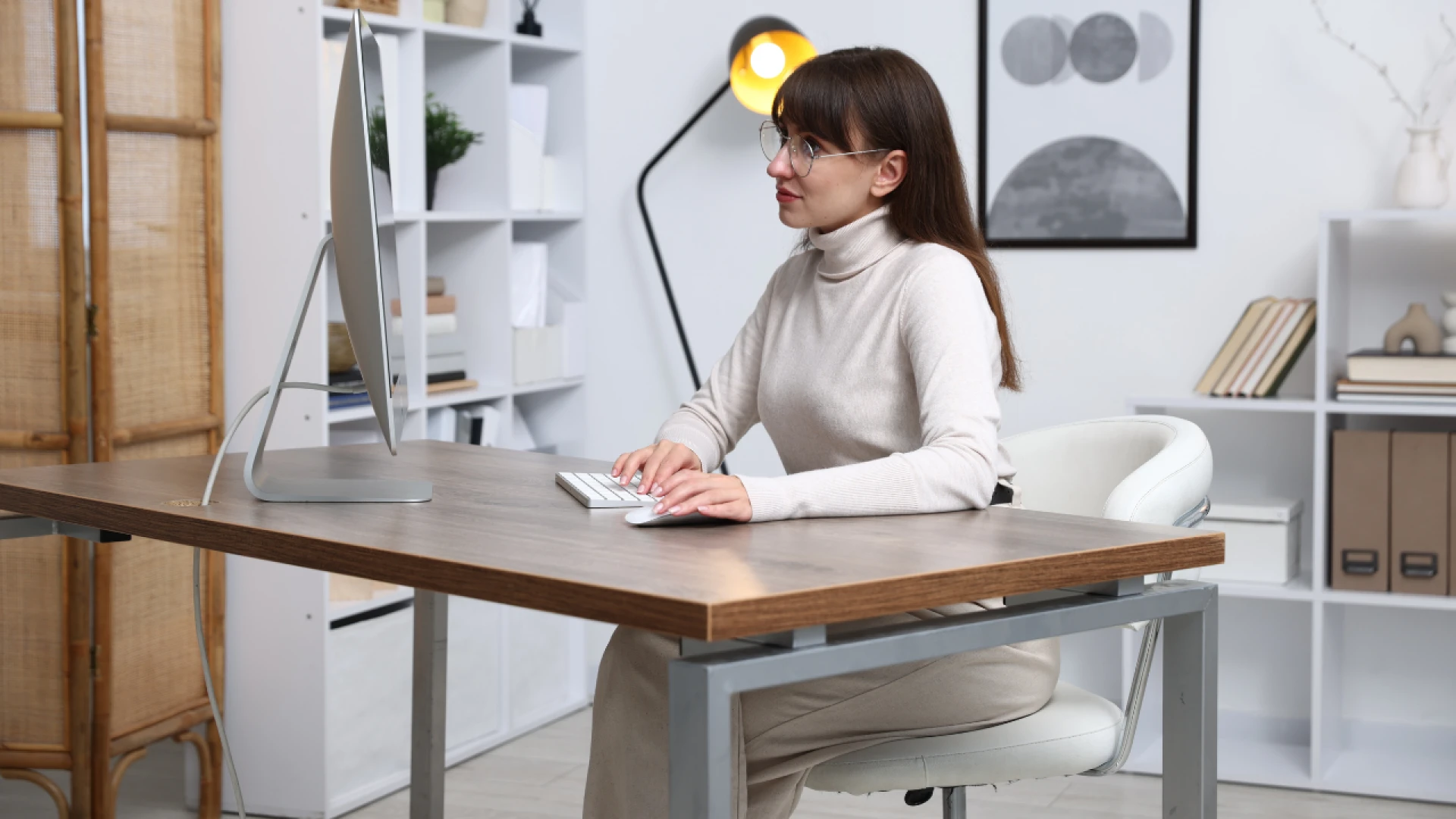
Modern work culture often demands long hours at a desk. Whether in a corporate office or a home workspace, many professionals spend the majority of their day seated in front of a screen. While this setup may seem efficient, research consistently links prolonged sitting with physical discomfort, reduced circulation, and decreased energy levels.
In response to these challenges, workspace design has evolved. One innovation that has gained attention is the adjustable desk, which allows users to alternate between sitting and standing throughout the day. Rather than being a trend, this shift reflects a broader understanding of ergonomics, health science, and productivity.
This article explores how height-adjustable workstations can reshape long workdays, offering measurable physical and cognitive benefits without disrupting workflow.
The Health Impact of Prolonged Sitting
Extended sitting has been associated with musculoskeletal strain, particularly in the lower back, shoulders, and neck. When seated for hours, the spine compresses, hip flexors tighten, and posture often deteriorates. Over time, this can contribute to chronic discomfort.
Beyond posture, sedentary behavior affects circulation and metabolic function. Reduced movement slows blood flow, which may lead to stiffness or swelling in the legs. Studies also suggest that uninterrupted sitting can influence glucose regulation and overall energy expenditure.
A workstation that allows movement throughout the day addresses these concerns not by eliminating sitting, but by encouraging variation. Alternating between positions reduces static load on specific muscle groups and promotes better circulation.
Ergonomics and Postural Alignment
Supporting the Natural Curve of the Spine
A well-designed adjustable desk enables users to set the work surface at a height that aligns with their elbows and wrists, reducing strain on the upper body. When standing, proper screen placement keeps the neck in a neutral position rather than tilting forward.
This adaptability is especially valuable because body proportions differ widely. A fixed desk height may suit one person while forcing another into awkward positioning. Adjustable systems account for this diversity by offering customizable alignment.
Reducing Repetitive Strain
Repetitive strain injuries often develop from small, sustained imbalances—wrists bent at improper angles, shoulders elevated slightly, or a monitor positioned too low. Adjusting desk height throughout the day helps redistribute pressure and encourages more mindful posture.
Ergonomics is not about maintaining one “perfect” position. Instead, it emphasizes dynamic movement and responsive adjustments, which these desks facilitate.
Energy, Focus, and Cognitive Performance
Physical comfort and cognitive performance are closely connected. Discomfort competes for attention, subtly draining mental resources. When posture improves and circulation increases, many individuals report higher alertness and reduced afternoon fatigue.
Standing intermittently can also prompt micro-movements—shifting weight, stretching, or walking briefly. These subtle activities stimulate blood flow and may help sustain concentration during long tasks.
Importantly, the goal is balance. Research suggests that alternating between sitting and standing in intervals—rather than remaining in one position for hours—supports both comfort and sustained productivity.
Flexibility for Diverse Work Styles
Modern work rarely consists of a single type of task. Professionals move between typing, video conferencing, reading, sketching, and collaborative discussions. A static workstation can limit adaptability.
An adjustable desk accommodates these varied activities. For example:
- Sitting may be preferable for detailed writing or data analysis.
- Standing can support brainstorming sessions or virtual meetings.
- A raised surface allows brief standing intervals between longer seated tasks.
This flexibility mirrors the natural variability of human movement. By adapting to task demands, the workstation becomes a supportive tool rather than a rigid constraint.
Long-Term Well-Being and Workplace Culture
Encouraging Movement as a Habit
Small environmental changes often shape behavior more effectively than intention alone. When a desk can be raised with minimal effort, it becomes easier to incorporate movement into daily routines. Over time, these small adjustments may contribute to healthier habits.
Supporting Remote and Hybrid Workers
As remote work continues to expand, individuals are responsible for designing their own work environments. Without corporate ergonomics teams guiding setup, workers must make informed decisions independently.
Access to adaptable furniture can bridge this gap, offering structural support for healthy routines at home. Resources such as this overview of an <a href="https://ttracing.co.th/pages/titus-x-smart-standing-desk">adjustable desk</a> illustrate how height variability has become a standard feature in contemporary workstation design.
Psychological Effects of Standing and Movement
Beyond physical metrics, posture influences perception and mood. Standing can create a subtle shift in energy and engagement. In meetings, it may encourage brevity and clarity. During creative sessions, it can promote a sense of dynamism.
While the psychological impact varies among individuals, many report feeling more active and less constrained when alternating positions. These effects may stem from increased blood flow and the cognitive refresh that accompanies movement.
Moreover, the simple act of adjusting one’s environment reinforces a sense of autonomy—an important factor in job satisfaction and overall well-being.
Practical Considerations for Daily Use
Gradual Transition
Switching abruptly from full-day sitting to extended standing can lead to fatigue. A gradual approach—such as standing for 20–30 minutes each hour—allows muscles to adapt.
Footwear and Flooring
Supportive shoes or anti-fatigue mats can reduce pressure on the feet and lower back during standing intervals. The goal is comfort, not endurance.
Monitor and Keyboard Positioning
When transitioning between sitting and standing, screen height and keyboard placement should remain ergonomically aligned. Elbows should form roughly a 90-degree angle, and the top of the monitor should sit near eye level.
Thoughtful setup ensures that changing positions improves posture rather than introducing new strain.
Rethinking Productivity Metrics
Productivity is often measured in output alone. However, sustainable performance depends on physical health and cognitive clarity. Fatigue, discomfort, and stiffness can gradually erode efficiency.
By encouraging movement and reducing physical strain, adjustable workstations contribute to a more sustainable work rhythm. Rather than pushing through discomfort, workers can structure their day in alignment with natural body mechanics.
In this sense, the innovation is less about novelty and more about long-term resilience. Work environments that adapt to human physiology are better equipped to support extended concentration and creativity.
Conclusion
Long workdays are unlikely to disappear, but the way we structure them can evolve. Prolonged sitting poses measurable risks to posture, circulation, and energy levels. Introducing variability into the workday—through alternating between sitting and standing—addresses these concerns in a practical way.
An adjustable desk supports ergonomic alignment, encourages movement, and accommodates diverse tasks. More importantly, it reframes the workstation as an adaptable environment rather than a fixed structure.
By aligning workspace design with human biology, professionals can approach long hours with greater comfort, focus, and sustainability.
FAQs
What is the ideal ratio of sitting to standing during the day?
There is no universal formula, but many experts recommend alternating every 30–60 minutes. The key is regular movement rather than prolonged time in one position.
Can standing all day replace sitting entirely?
No. Extended standing can also lead to fatigue and strain. The goal is balance—alternating between sitting and standing to distribute physical load.
Does using an adjustable desk improve posture automatically?
Not automatically. Proper monitor height, keyboard alignment, and mindful positioning are essential. The desk provides flexibility, but setup and habits determine results.
Are these desks suitable for home offices?
Yes. They are particularly useful in home environments where ergonomic assessments may not be available. Height adjustability helps tailor the workspace to individual needs.
Is there an adjustment period when transitioning?
Yes. Muscles may need time to adapt to increased standing. Gradual integration and supportive accessories can ease the transition.