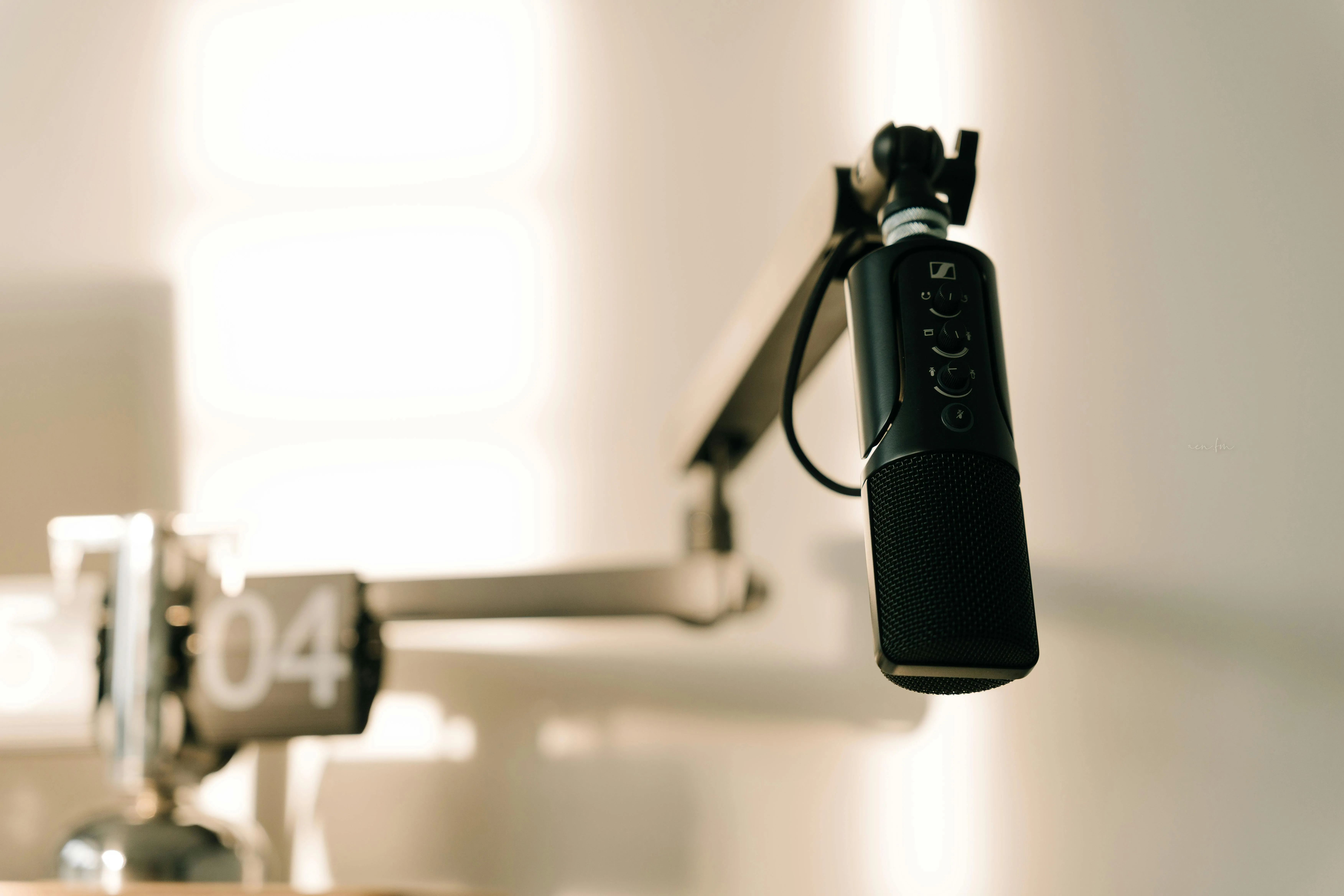
Podcasts have a deceptive quality from the listener's perspective. When a show sounds natural, conversational, and effortlessly produced, it is easy to assume that the process of creating it was similarly effortless — a microphone, a conversation, and a quick upload. In reality, even modestly produced podcasts involve a structured production process with multiple distinct phases, each requiring specific skills, tools, and time. Understanding what actually goes into producing a podcast episode from start to finish gives prospective podcasters a realistic picture of what they are committing to and helps established podcasters identify where professional support could meaningfully improve their output.
Pre-Production: Planning Before Recording Begins
The work of producing a podcast episode begins well before the microphone is switched on. Pre-production encompasses everything that happens in the planning phase — developing the episode concept, researching the topic or guest, writing an outline or script, preparing interview questions, scheduling and coordinating with any guests, and ensuring that the technical setup is ready to capture the best possible audio. For interview-based shows, pre-production also includes the communication with guests that sets expectations, provides preparation guidance, and ensures that the conversation will be substantive and well-directed. Strong pre-production is the most reliable predictor of a strong final episode, because it determines the quality of the raw material the rest of the process works with.
Recording: Capturing Clean, Usable Audio
The recording phase seems straightforward but is where many producers encounter their most significant technical challenges. Acoustic environment, microphone selection and placement, gain levels, monitoring for technical issues during the recording, and managing the inevitable interruptions and mistakes that occur in any live recording all require attention and competence. Remote recordings add additional variables including connection stability, participant audio quality, and the coordination required to manage a technically smooth remote session. Reputable podcast production services that include recording support brings the technical expertise needed to capture clean, broadcast-quality audio consistently, regardless of the environment or the format of the episode.
Editing: Turning Raw Audio into a Coherent Episode
Raw audio from even a well-conducted recording session is rarely ready for publication without significant editing. The editing phase involves removing false starts, long pauses, filler words, tangential content, and technical artifacts from the recording; balancing audio levels across different speakers or segments; correcting pacing issues that affect listener engagement; and assembling the edited content into a logical, well-paced episode structure. For narrative or documentary-style podcasts, editing is even more complex — it involves weaving together multiple audio sources, scripted narration, ambient sound, and music into a coherent whole that tells a story effectively. Editing is typically the most time-intensive phase of podcast production and the one that most significantly determines the professional quality of the final output.
Post-Production: Mixing, Mastering, and Finishing
Once the structural editing of an episode is complete, post-production processes prepare the audio for distribution. Mixing involves balancing all audio elements — voice, music, sound effects — to ensure that each sits at an appropriate level relative to the others and that the overall soundscape is cohesive. Mastering applies final processing to ensure that the episode meets loudness standards for podcast distribution platforms, sounds consistent with other episodes in the feed, and translates well across different listening devices and environments. This phase also includes the creation of supporting assets — episode show notes, chapter markers, transcripts, and social media clips — that extend the episode's reach and utility beyond the audio itself.
Distribution and Promotion
The final phase of podcast production is getting the finished episode in front of an audience. This involves uploading the mastered audio to a podcast hosting platform, writing and publishing show notes, submitting the episode to podcast directories, and executing the promotional activity — social media posts, email newsletter features, cross-promotional arrangements with other shows — that drives listener growth over time. For many independent podcasters, this phase receives less attention than it deserves, because the effort of production leaves limited capacity for promotion. Building a systematic promotional approach into the production workflow from the outset or partnering with a production service that includes distribution support, ensures that the work invested in creating each episode reaches the audience it deserves.
Conclusion
Producing a podcast episode is a multi-phase process that combines creative, technical, and logistical capabilities in ways that most people underestimate before they begin. Understanding the full scope of what production involves helps podcasters make informed decisions about which elements they will handle themselves, which they will learn, and which they will delegate to professional support. The podcasts that sound effortless are almost always the ones where the most effort has been invested — it simply happens to be invisible to the listener, which is exactly how it should be.