Pneumatic systems are widely used in industrial automation because they offer reliable operation, fast response, and efficient control of machinery. However, their performance depends heavily on the quality of the compressed air supplied to pneumatic components. Air containing moisture, dust, oil particles, or inconsistent pressure can cause equipment failures, reduce efficiency, and increase maintenance costs. An air preparation unit helps address these challenges by preparing compressed air before it enters the system.
Air preparation units are essential for maintaining stable operating conditions, protecting pneumatic equipment, and supporting consistent production. Understanding their functions and benefits helps industries build more reliable and efficient pneumatic systems.
1. What Is an Air Preparation Unit?
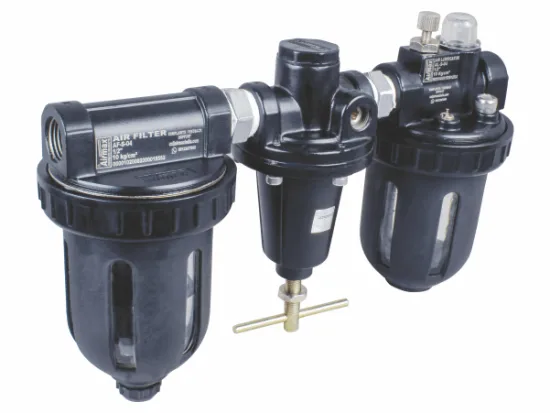
An air preparation unit is a device or combination of components designed to condition compressed air for use in pneumatic applications. It typically includes an air filter, pressure regulator, and, where required, a lubricator. These components work together to remove contaminants, maintain suitable pressure, and provide lubrication for compatible pneumatic equipment.
Air preparation units are commonly installed upstream of pneumatic cylinders, directional control valves, air-operated tools, and other compressed-air devices. Selecting the correct configuration depends on the equipment manufacturer's requirements and the application's operating conditions.
2. Why Clean Compressed Air Matters
Compressed air can contain water droplets, dust, rust particles, and compressor oil. If these contaminants enter pneumatic equipment, they may damage seals, obstruct small passages, and contribute to corrosion or premature wear.
An air preparation unit helps reduce these risks by filtering contaminants and managing air pressure. Appropriate filtration supports reliable movement in pneumatic cylinders and helps protect sensitive control components.
Moisture management may also require additional equipment, such as an air dryer or water separator, depending on the required air quality. A standard filter alone may not remove water vapor or achieve the air quality needed for every application.
3. Main Components of an Air Preparation Unit
A typical air preparation assembly contains three important components, often referred to as an FRL unit.
- Air Filter: Removes suitable solid particles and separates liquid contaminants from compressed air, helping protect downstream equipment.
- Pressure Regulator: Controls and maintains the downstream pressure within the selected operating range, supporting consistent pneumatic performance.
- Air Lubricator: Introduces a controlled oil mist into the airflow when lubrication is required by the connected equipment.
Not every pneumatic system needs all three components. Some modern devices are designed for oil-free operation, making a lubricator unnecessary or unsuitable. Always follow the equipment manufacturer's recommendations when choosing an air preparation configuration.
4. Benefits for Industrial Automation
Air preparation units provide several advantages when correctly selected and maintained. They help pneumatic systems operate under more stable conditions and reduce the likelihood of problems caused by contaminated or poorly regulated air.
Key benefits include improved equipment protection, more consistent actuator movement, reduced wear on compatible components, and easier pressure adjustment during commissioning. Proper air preparation can also help reduce unplanned downtime and improve production reliability.
For example, a manufacturing line using pneumatic cylinders for repetitive positioning can experience inconsistent movement if the supply pressure fluctuates significantly. A correctly sized regulator helps maintain the required downstream pressure, while appropriate filtration reduces contamination-related problems.
5. How to Select the Right Unit
Choosing an air preparation unit requires careful consideration of the pneumatic system's technical requirements. An undersized unit may restrict airflow, while an unsuitable filtration level can fail to provide the required air quality.
Before selecting a unit, consider these factors:
- Required operating pressure and maximum airflow consumption.
- Pipe connection size and available installation space.
- Filtration rating and expected contamination levels.
- Whether downstream equipment requires lubrication.
- Operating temperature, ambient conditions, and maintenance accessibility.
Businesses evaluating pneumatic equipment through Mark & Aira Trading LLC should confirm the required specifications and compatibility of the proposed unit with their application before purchasing.
6. Maintenance for Reliable Performance
Regular maintenance is necessary to preserve the effectiveness of an air preparation unit. Filters should be inspected and replaced according to their condition and the manufacturer's recommended schedule. Water collected in filter bowls should be drained when necessary, unless an automatic drain performs this function.
Pressure settings should also be checked periodically, and lubricator oil levels should be maintained where lubrication is required. Leaks, damaged seals, blocked filter elements, and incorrect pressure settings should be addressed promptly.
A planned maintenance routine helps maintain consistent airflow, supports equipment reliability, and reduces avoidable operating interruptions.
Conclusion
Air preparation units are essential for efficient pneumatic systems because they help control contamination, regulate pressure, and provide lubrication where necessary. By supplying appropriately conditioned compressed air, these units protect compatible components, support consistent operation, and help reduce maintenance requirements.
Selecting the correct configuration, sizing it for the required airflow, and following regular maintenance procedures can significantly improve pneumatic system reliability. For industrial applications that depend on dependable automation, proper air preparation is a practical investment in equipment performance and long-term productivity.