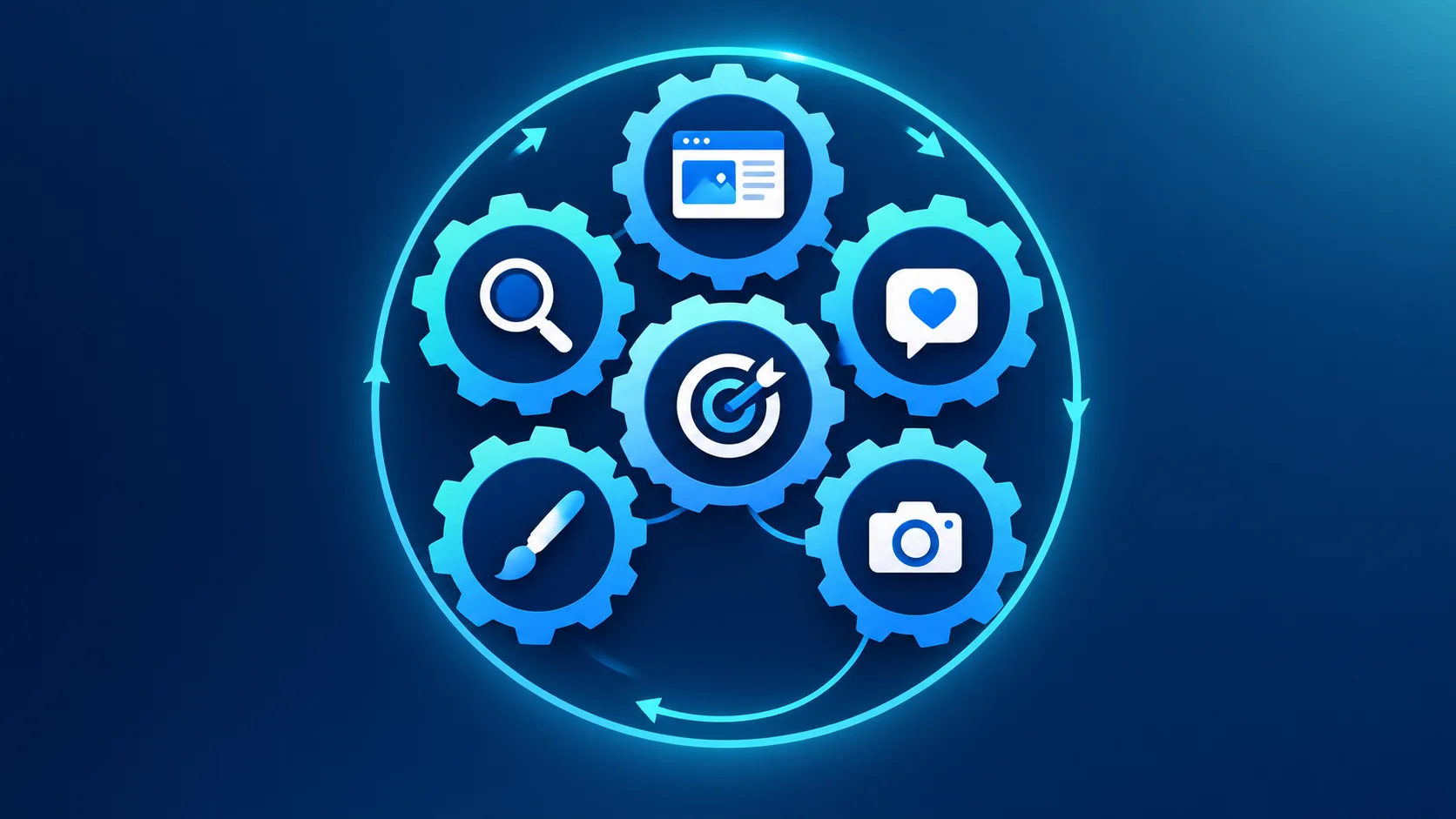

Marketing teams today operate in an environment shaped by large volumes of data, shifting consumer expectations, and increasingly fragmented digital channels. Traditional workflows often struggle to keep pace with the speed required to analyze campaigns, personalize communication, and optimize performance across multiple platforms. As a result, many organizations are turning to automation and intelligent technologies to improve operational efficiency and strategic decision-making.
One example of this shift can be seen through Vault Mark AI marketing solutions, which reflects how businesses are exploring tools designed to streamline campaign management, customer analysis, and content processes. Rather than replacing marketing professionals, these technologies are often used to support faster insights and more accurate execution.
The growing reliance on data-driven strategies has made advanced digital tools increasingly important for modern teams. Understanding how these systems function, where they provide value, and what limitations they may present can help organizations make more informed decisions about future marketing investments.
The Changing Role of Marketing Teams
Over the last decade, the responsibilities of marketing departments have expanded significantly. Teams are no longer focused solely on advertising and brand awareness. They are also expected to manage analytics, customer journeys, social engagement, personalization, search visibility, and performance tracking.
This broader scope has created operational pressure. Manual analysis and repetitive administrative tasks consume valuable time that could otherwise be spent on strategic planning or creative development. At the same time, audiences expect highly personalized interactions delivered almost instantly.
As consumer behavior becomes more difficult to predict, organizations increasingly rely on technologies capable of processing large datasets quickly and identifying patterns that humans might overlook. This shift has changed how campaigns are developed, tested, and refined.
How Intelligent Marketing Technology Supports Efficiency
One of the primary advantages of intelligent automation in marketing is operational efficiency. Many repetitive tasks can now be completed faster and with fewer manual inputs.
Campaign Optimization
Modern platforms can evaluate campaign performance in real time and recommend adjustments based on engagement metrics, audience behavior, or conversion patterns. Instead of waiting for weekly reports, teams can respond quickly to underperforming content or shifting customer interests.
Audience Segmentation
Traditional audience segmentation often required extensive spreadsheet analysis and manual categorization. Advanced systems can now organize customer groups dynamically based on browsing behavior, demographics, purchasing patterns, and engagement history.
This allows marketers to create more targeted communication strategies while reducing the workload associated with data processing.
Workflow Automation
Marketing departments frequently manage repetitive activities such as email scheduling, reporting, social media publishing, and lead scoring. Automation tools help reduce time spent on routine administration, enabling teams to focus more on strategy and creative execution.
The Importance of Data-Driven Decision Making
Marketing decisions increasingly depend on accurate and timely data. However, interpreting large datasets manually can be difficult, particularly for organizations managing multiple campaigns across several channels.
Advanced analytical systems help simplify this process by identifying trends and presenting actionable insights more efficiently.
Predictive Insights
Predictive analytics allows organizations to estimate future customer behavior based on historical trends. For example, marketers can identify which customer segments are most likely to convert or determine which products may experience increased demand during certain periods.
This type of forecasting helps teams allocate resources more effectively.
Performance Measurement
Measuring return on investment remains one of the most important aspects of modern marketing. Intelligent reporting tools help organizations monitor campaign performance with greater accuracy, making it easier to evaluate spending efficiency and identify successful strategies.
Clearer performance analysis also supports stronger communication between marketing departments and executive leadership teams.
Personalization at Scale
Consumers increasingly expect personalized digital experiences. Generic advertising often performs poorly compared to content tailored to specific interests or behaviors.
However, delivering personalized experiences manually across thousands of customers is not practical for most organizations.
Content Recommendations
Recommendation systems can analyze user behavior to suggest relevant products, articles, or services. This contributes to improved engagement by presenting users with content aligned to their interests.
Dynamic Messaging
Some platforms can adapt messaging based on customer interactions, geographic location, browsing history, or purchasing behavior. This helps create more relevant communication without requiring marketers to manually create separate campaigns for every audience segment.
Customer Journey Mapping
Understanding how users move through the customer journey is essential for improving engagement and retention. Analytical technologies help teams identify where customers lose interest, what content drives conversions, and which channels contribute most effectively to purchasing decisions.
Challenges and Considerations
Although advanced marketing technologies offer substantial benefits, implementation is not without challenges. Organizations must evaluate several factors before adopting new systems.
Data Privacy Concerns
The use of customer data raises important ethical and legal considerations. Regulations regarding privacy and data protection continue to evolve globally, requiring organizations to ensure compliance with local laws and industry standards.
Transparency regarding data collection practices has become increasingly important for maintaining consumer trust.
Integration Difficulties
Many organizations rely on multiple digital tools that may not integrate seamlessly. Introducing new systems can create technical complications if platforms are incompatible or if internal infrastructure is outdated.
Successful implementation often requires careful planning and collaboration between marketing and technical teams.
Dependence on Quality Data
Analytical systems are only as reliable as the information they process. Inaccurate or incomplete data can lead to misleading insights and ineffective campaign decisions.
Organizations must therefore prioritize proper data management practices to maximize the value of their technology investments.
The Impact on Marketing Creativity
A common concern surrounding automation is whether it reduces creativity within marketing teams. In practice, many organizations use these technologies to support rather than replace creative work.
By automating repetitive administrative tasks, marketers often gain more time to focus on storytelling, campaign concepts, and strategic planning.
Supporting Creative Experimentation
Faster data analysis allows teams to test creative variations more efficiently. Marketers can compare headlines, visuals, and messaging approaches across different audience groups and identify which concepts perform best.
This encourages experimentation while reducing the time required for evaluation.
Balancing Automation and Human Judgment
Despite technological advancements, human insight remains essential. Emotional understanding, cultural awareness, and brand storytelling still rely heavily on human creativity and strategic thinking.
Technology may assist with analysis and optimization, but successful campaigns typically combine automation with human interpretation and decision-making.
Why Adoption Continues to Grow
The increasing adoption of intelligent marketing tools reflects broader digital transformation trends across industries. Organizations face growing pressure to improve efficiency, strengthen customer engagement, and respond more quickly to market changes.
Several factors continue to drive adoption:
- Rising consumer expectations for personalization
- Increased competition in digital markets
- Larger volumes of customer data
- Greater demand for measurable results
- Expanding digital communication channels
As these pressures continue to evolve, many organizations view advanced marketing systems as necessary infrastructure rather than optional experimentation.
The Future of Marketing Operations
Marketing technology will likely continue evolving alongside advances in automation, machine learning, and consumer analytics. Future systems may become more capable of identifying emerging trends, optimizing content distribution, and supporting strategic planning.
However, the role of marketers is also expected to evolve. Rather than focusing heavily on manual execution, professionals may spend more time interpreting insights, guiding brand strategy, and developing customer relationships.
Organizations that successfully combine technological efficiency with human creativity may be better positioned to adapt to changing consumer expectations and competitive environments.
Conclusion
Modern marketing teams operate in a highly competitive and data-intensive environment that requires speed, adaptability, and precision. Intelligent technologies have become increasingly valuable for managing complex workflows, analyzing customer behavior, and improving campaign performance.
While these systems offer meaningful advantages in efficiency and personalization, successful implementation depends on thoughtful integration, strong data practices, and continued human oversight. Technology alone cannot replace strategic thinking or creative communication.
As marketing continues to evolve, organizations are likely to place even greater emphasis on tools that support faster insights, scalable personalization, and informed decision-making. Understanding both the opportunities and limitations of these systems remains essential for businesses seeking long-term marketing effectiveness.
FAQs
What are AI marketing solutions?
These are technologies designed to assist marketing teams with tasks such as automation, analytics, personalization, customer segmentation, and campaign optimization.
How do intelligent marketing tools improve efficiency?
They help reduce manual work by automating repetitive tasks like reporting, scheduling, audience analysis, and performance tracking.
Can automation replace human marketers?
Most organizations use automation to support human teams rather than replace them. Creative strategy, storytelling, and emotional understanding still rely heavily on human input.
Why is personalization important in modern marketing?
Personalized communication tends to improve engagement because it delivers more relevant experiences based on user behavior and preferences.
What challenges come with adopting advanced marketing systems?
Common challenges include data privacy concerns, integration difficulties, staff training requirements, and maintaining high-quality data.