
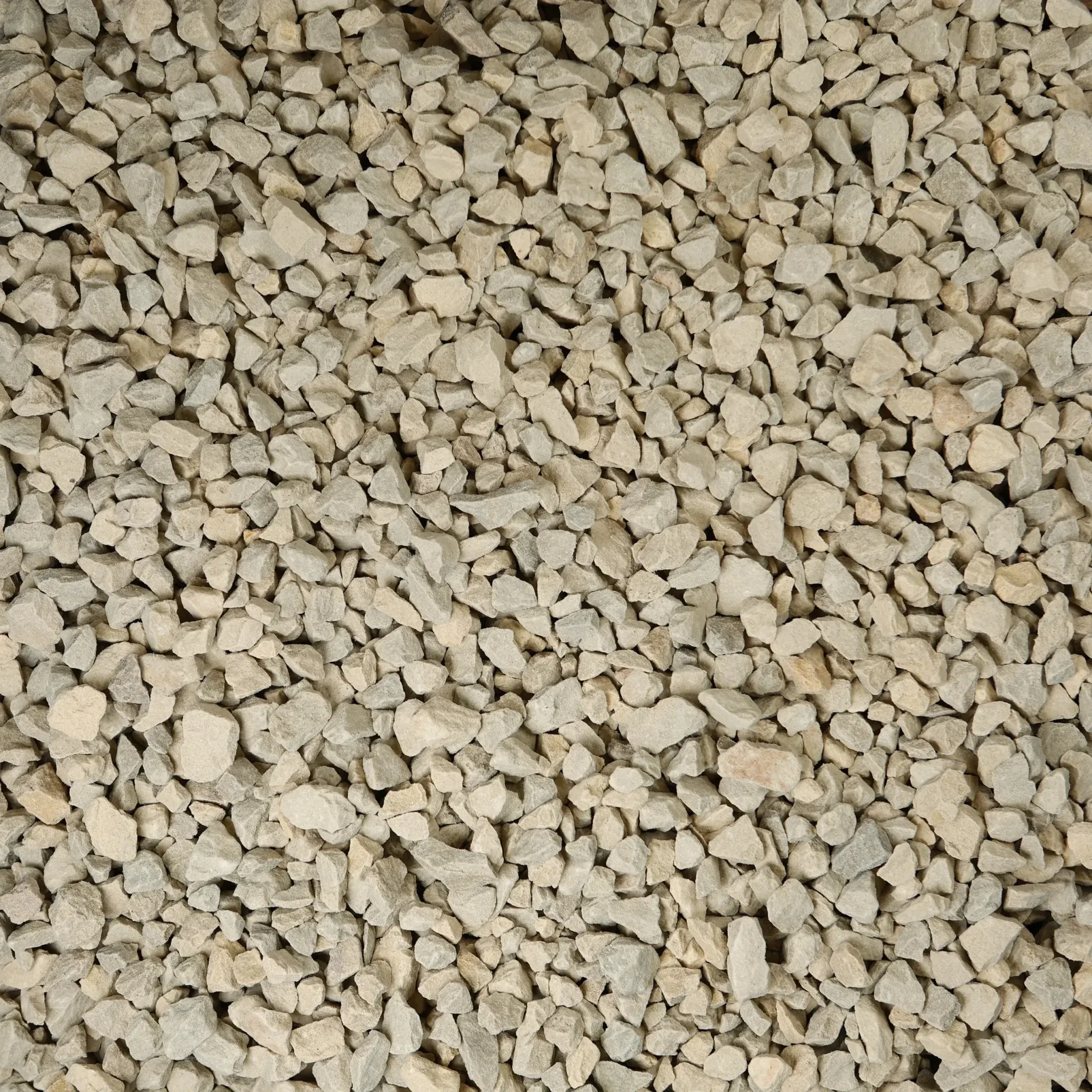
Construction projects rely on a wide range of raw materials, but few are as important as aggregates. These materials form the backbone of modern infrastructure, from roads and bridges to homes and commercial buildings.
In particular, Aggregates Bradford has gained strong recognition in the construction industry due to their quality, availability, and versatility. Whether used in concrete, asphalt, or foundational work, aggregates play a vital role in ensuring strength and durability in every structure.
What Are Construction Aggregates?
Aggregates are granular materials such as sand, gravel, crushed stone, and recycled concrete. They are typically mixed with cement and water to produce concrete or combined with bitumen for asphalt production. Although they may seem simple, these materials account for around 60–80% of concrete volume, making them one of the most widely used components in construction.
The demand for reliable materials has made Aggregates Bradford a preferred choice for contractors who prioritize consistency and performance in their projects. These aggregates are sourced and processed to meet strict quality standards, ensuring they perform well under different environmental and structural conditions.
Importance of Aggregates in Construction
Aggregates provide strength, stability, and durability to construction materials. Without them, concrete would lack the compressive strength required to support buildings and infrastructure. They also reduce shrinkage and improve resistance to wear and weather conditions.
One of the key reasons engineers and builders rely on Aggregates Bradford is their ability to enhance the structural integrity of projects. By improving load-bearing capacity and reducing cracking, they help extend the lifespan of roads, bridges, and buildings.
Additionally, aggregates contribute to cost efficiency. Since they make up the majority of concrete mixtures, using high-quality but affordable aggregates helps reduce overall construction costs without compromising performance.
Types of Aggregates Used in Construction
There are several types of aggregates used depending on the application:
1. Fine Aggregates
These include sand and small particles that pass through a 4.75 mm sieve. They are essential in producing smooth concrete surfaces and filling voids between coarse particles.
2. Coarse Aggregates
These are larger stones or gravel used to provide strength and structure. They are commonly used in foundations, road bases, and heavy-duty construction projects.
3. Recycled Aggregates
These are produced from crushed concrete and demolition waste. They are environmentally friendly and increasingly popular in sustainable construction practices.
In many infrastructure developments, Aggregates Bradford suppliers provide a full range of these materials to meet different project requirements, ensuring flexibility and efficiency for builders.
Role of Aggregates in Concrete and Asphalt
Concrete and asphalt are two of the most important materials in construction, and aggregates are their main component.
In concrete, aggregates provide bulk and strength. Cement acts as a binder, but without aggregates, the structure would be weak and unstable. The quality of aggregates directly affects the durability and performance of the final product.
In asphalt, aggregates are mixed with bitumen to create road surfaces. They provide grip, stability, and resistance to wear from traffic and weather conditions. High-quality Aggregates are especially valued in road construction because they ensure smoother surfaces and longer-lasting pavements.
Why Bradford Is a Key Source of Aggregates
Bradford has become a significant hub for aggregate supply due to its geological resources and strong industrial infrastructure. The region offers access to high-quality stone and gravel, which are processed and distributed for construction use across various projects.
Contractors often choose Bradford because of their consistent quality and reliable supply chain. Local sourcing also reduces transportation costs and environmental impact, making it a practical choice for both small and large-scale developments.
Furthermore, suppliers in the region follow strict industry regulations, ensuring that the materials meet national construction standards. This reliability makes Bradford a trusted name in the construction supply chain.
Environmental and Sustainability Benefits
Modern construction is increasingly focused on sustainability, and aggregates play an important role in this shift. Recycled materials are now widely used to reduce the demand for natural quarrying and minimize environmental damage.
Many suppliers of Aggregates are adopting eco-friendly practices such as recycling demolition waste and reducing carbon emissions during processing and transportation. This not only helps protect natural resources but also supports green building initiatives.
Using locally sourced aggregates also reduces the carbon footprint associated with long-distance transportation, making construction projects more sustainable overall.
Applications of Aggregates in Construction Projects
Aggregates are used in a wide variety of construction applications, including:
- Road construction and highways
- Building foundations and structural bases
- Railway ballast
- Drainage systems
- Landscaping and decorative work
- Bridge and tunnel construction
In each of these applications, Aggregates provides the strength and reliability needed to ensure long-term performance. Their versatility makes them suitable for both residential and large-scale infrastructure projects.
Quality Control and Standards
Quality is a critical factor when it comes to construction materials. Poor-quality aggregates can lead to structural failures, cracks, and reduced lifespan of buildings. That is why rigorous testing is conducted on aggregates before they are used in construction.
Tests typically assess strength, size distribution, cleanliness, and durability. Suppliers of Aggregates Bradford ensure their products meet these standards, giving engineers and contractors confidence in their performance.
Consistent quality control also ensures that construction projects remain safe and compliant with industry regulations.
Economic Importance of Aggregates
Beyond their technical benefits, aggregates also play a significant role in the economy. The construction industry depends heavily on a steady supply of these materials, creating jobs and supporting local businesses.
The production and distribution of Aggregates Bradford contribute to regional economic growth by supporting quarrying operations, transportation services, and construction companies. This makes the aggregate industry a key driver of development in the region.
Conclusion
Aggregates are an essential component of modern construction, providing strength, durability, and cost efficiency to a wide range of projects. From roads and bridges to residential buildings, they form the foundation of infrastructure development.
The availability of high-quality Aggregates Bradford ensures that contractors and engineers have access to reliable materials that meet strict performance standards. With their versatility, sustainability benefits, and economic importance, aggregates will continue to play a crucial role in shaping the built environment for years to come.