
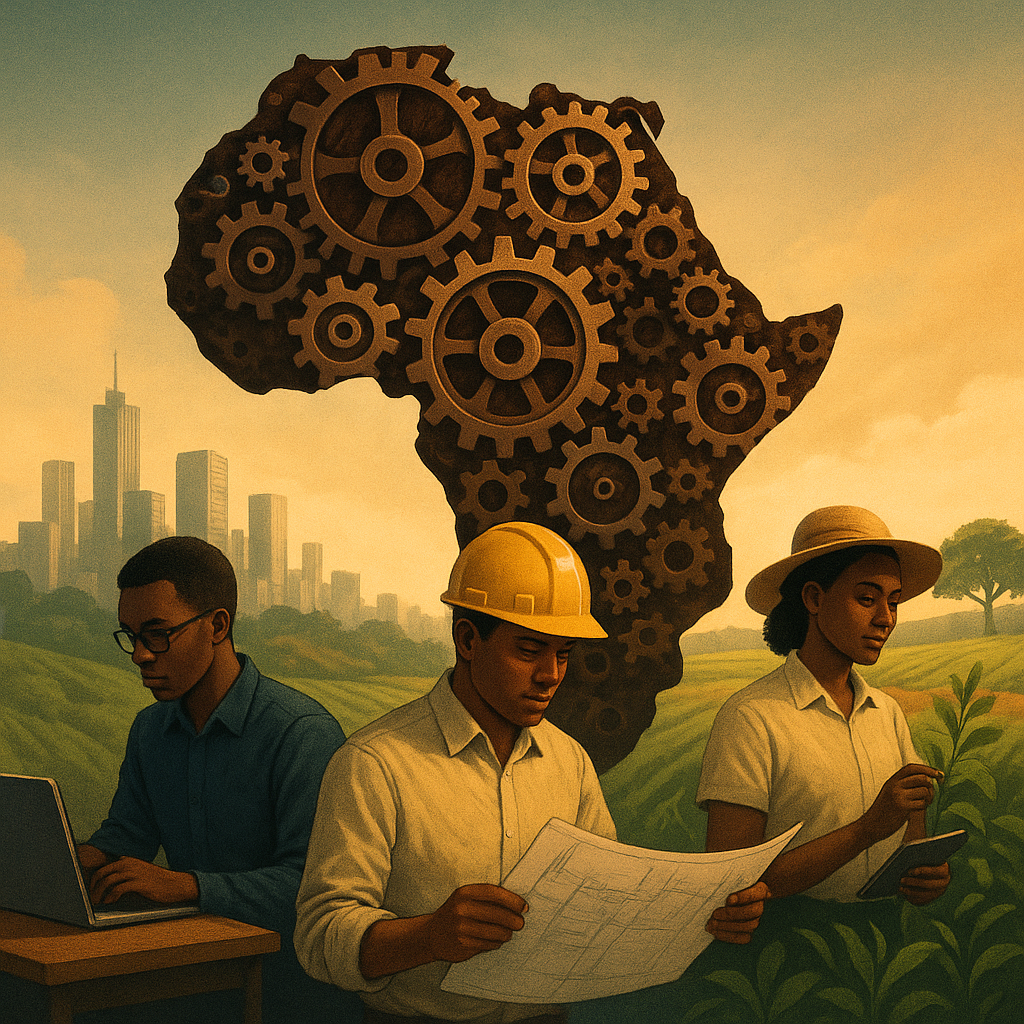
Shifting Sands: The New Face of Africa’s Development Job Market
In March 2026, a bustling recruitment fair in Nairobi’s tech hub showcased the continent’s evolving job landscape. Among the eager candidates, few were there for traditional roles in NGOs or government aid agencies. Instead, startups offering AI-driven agricultural solutions and climate resilience consulting sought talent. This scene captures the subtle yet profound transformation underway in Africa’s development sector employment. Once dominated by donor-funded projects emphasizing manual labor and entry-level administrative roles, the job market is swiftly moving toward digital fluency, sustainability expertise, and cross-sector innovation.
The backdrop to this change is a continent where nearly 60% of the population is under 25 years old, with a rapidly growing middle class and increased internet penetration. These demographics fuel demand for jobs that combine local knowledge with cutting-edge technology and scalable impact strategies. According to the African Development Bank’s 2025 report, jobs in green energy, fintech for social impact, and data analytics in health and education sectors have grown by over 35% in just two years.
“The development sector’s traditional model is no longer sufficient. We need young people skilled not just in community engagement but in leveraging technology and innovation to solve complex problems,” stated Dr. Amina Njeri, an economist with the East African Development Consortium.
The Road to 2026: Historical Context and Catalysts
The development job market in Africa has long been shaped by external aid models focused on poverty alleviation through direct service provision. During the early 2000s, international NGOs and multilateral organizations dominated employment, offering roles primarily in project management, monitoring, and grassroots mobilization. However, this model faced criticism for its dependency on foreign funding and limited scalability of interventions.
Starting around 2015, several factors began to reshape this landscape. First, African governments invested heavily in digital infrastructure and education, creating a new generation of tech-savvy professionals. Second, the rise of pan-African tech hubs, such as Lagos’ Yaba district and Nairobi’s Silicon Savannah, accelerated innovation ecosystems that started addressing development challenges locally. Third, climate change’s intensifying impact pushed jobs to focus more on sustainability and resilience.
These shifts coincided with global trends emphasizing data-driven development and private sector partnerships, moving away from purely aid-based models. The COVID-19 pandemic also underscored the need for digital tools and remote work capabilities, accelerating the adoption of hybrid work models in development organizations.
By 2020, development employment was already evolving, but the pace has accelerated markedly since 2024, with new roles emerging that blend technical, managerial, and social impact skills.
Data-Driven Insights: The 2026 Job Market Landscape
Recent labor market analyses reveal striking changes in the types of jobs and skills in demand within Africa’s development sector. A survey conducted by the African Institute for Development Studies in January 2026 highlights key trends:
- Tech Integration: 42% of new development roles require proficiency in AI, machine learning, or blockchain applications.
- Green Economy: Jobs related to renewable energy projects and climate adaptation strategies have increased by 48% since 2023.
- Cross-Sector Collaboration: 35% of employers now seek candidates able to work across public-private partnerships, NGOs, and local communities.
- Remote and Hybrid Work: Over 60% of development organizations offer flexible work arrangements, expanding access to talent from remote and rural areas.
- Entrepreneurial Roles: There’s a surge in demand for social entrepreneurs and impact investors, with 30% growth in startups focused on development challenges.
Regionally, East Africa leads in tech-enabled development roles, with Kenya, Uganda, and Rwanda investing heavily in digital skills training. West Africa, particularly Nigeria and Ghana, shows robust growth in fintech roles that target financial inclusion. Southern Africa, driven by South Africa and Botswana, focuses on green jobs and sustainable agriculture.
“Employers now prioritize candidates who can harness data to design smarter, scalable interventions,” commented Lindiwe Maseko, CEO of GreenAfrica Ventures.
This transition is reflected in recruitment strategies. Development organizations increasingly collaborate with tech incubators and universities, recruiting talent through hackathons and innovation challenges rather than traditional job postings.
2026 Developments: What’s New on the Ground?
This year marks a turning point where several new developments have reshaped the African development job market:
- AI-Powered Social Impact: Startups and NGOs alike utilize AI to optimize resource allocation, monitor projects, and predict social outcomes, creating roles for AI specialists within development teams.
- Climate Resilience Jobs: As droughts and floods worsen, demand surges for experts in climate science, disaster risk management, and sustainable infrastructure.
- Digital Skills Upskilling: Governments and international donors fund massive digital literacy campaigns targeting youth and mid-career professionals, expanding the talent pool.
- Decentralized Finance (DeFi): The rise of blockchain-based microfinance initiatives generates new employment in fintech development and regulatory compliance.
- Hybrid Work Models: Organizations adopt flexible policies, allowing employees to work from rural areas, fostering inclusive hiring practices.
Moreover, the African Union’s Agenda 2063 emphasizes youth empowerment and innovation, encouraging member states to prioritize jobs that meet future development challenges. The Pan-African Youth Innovation Summit held in Accra in February 2026 underscored this with commitment pledges from governments and private sectors to create 10 million new development-related jobs by 2030.
These shifts are also mirrored in recruitment platforms. For example, AfricaDevJobs, a leading sector-specific portal, reported a 50% increase in postings for roles like data analysts, sustainable agriculture specialists, and digital health coordinators compared to 2023.
TheOmniBuzz readers interested in these trends may find valuable insights in our coverage of why flexibility and AI are redefining the 2026 job market, which details broader labor market transformations impacting Africa as well.
Voices from the Field: Expert Perspectives and Industry Impact
Industry leaders and development experts emphasize the need to rethink recruitment, training, and career progression frameworks to align with this new market reality. According to Emmanuel Okeke, Head of Human Resources at PanAfrica Development Group:
“We no longer recruit for narrowly defined roles. Our teams combine data science, community engagement, and policy advocacy skills. Candidates must demonstrate adaptability and a growth mindset.”
Similarly, international donors have adjusted grant conditions to prioritize projects that build local capacity in tech and innovation. This has led to increased funding for incubation programs and skills boot camps, which in turn feed directly into the job market.
The private sector’s growing involvement in development further complicates the employment landscape but also presents opportunities. For example, companies like SolarNext and AgriTech Africa have partnered with governments to scale sustainable energy and smart farming solutions, creating hybrid roles that blend commercial and social impact expertise.
Educational institutions also play a crucial role. Universities across Africa are revising curricula to include data analytics, climate science, and entrepreneurship. The University of Cape Town’s new Master’s program in Development Technologies launched in 2025 exemplifies this trend, producing graduates ready to meet evolving market demands.
These expert insights align with findings from our article on mastering job market challenges, which explores how individuals can best position themselves in fast-changing sectors like development.
Looking Ahead: What to Watch in Africa’s Development Job Market
As 2026 progresses, several key factors will likely shape the future trajectory of Africa’s development employment:
- Continued Digital Transformation: The integration of AI, big data, and IoT into development projects will deepen, requiring ongoing upskilling and new job creation.
- Youth Leadership: Increasingly, young Africans are not only employees but entrepreneurs and policymakers, influencing job market dynamics.
- Green Job Expansion: Climate change mitigation and adaptation initiatives will remain a priority, driving demand for specialized skills.
- Regional Integration: The African Continental Free Trade Area (AfCFTA) will facilitate cross-border employment and knowledge exchange within the development sector.
- Hybrid and Remote Work Norms: These will mature, broadening access to jobs for underrepresented groups and rural populations.
However, challenges persist. Inequities in digital access and disparities in educational quality can limit who benefits from these trends. Development employers and policymakers must therefore invest strategically in inclusive training and infrastructure.
For job seekers and professionals in the sector, the imperative is clear: cultivate interdisciplinary skills, embrace continuous learning, and remain agile as the market evolves. TheOmniBuzz will continue to track these shifts closely, providing readers with critical analysis and practical guidance.
“Africa’s development job market is no longer just about delivering aid; it’s about innovating for sustainable impact and building resilient economies,” Dr. Njeri concludes.