The Serious Business of Play
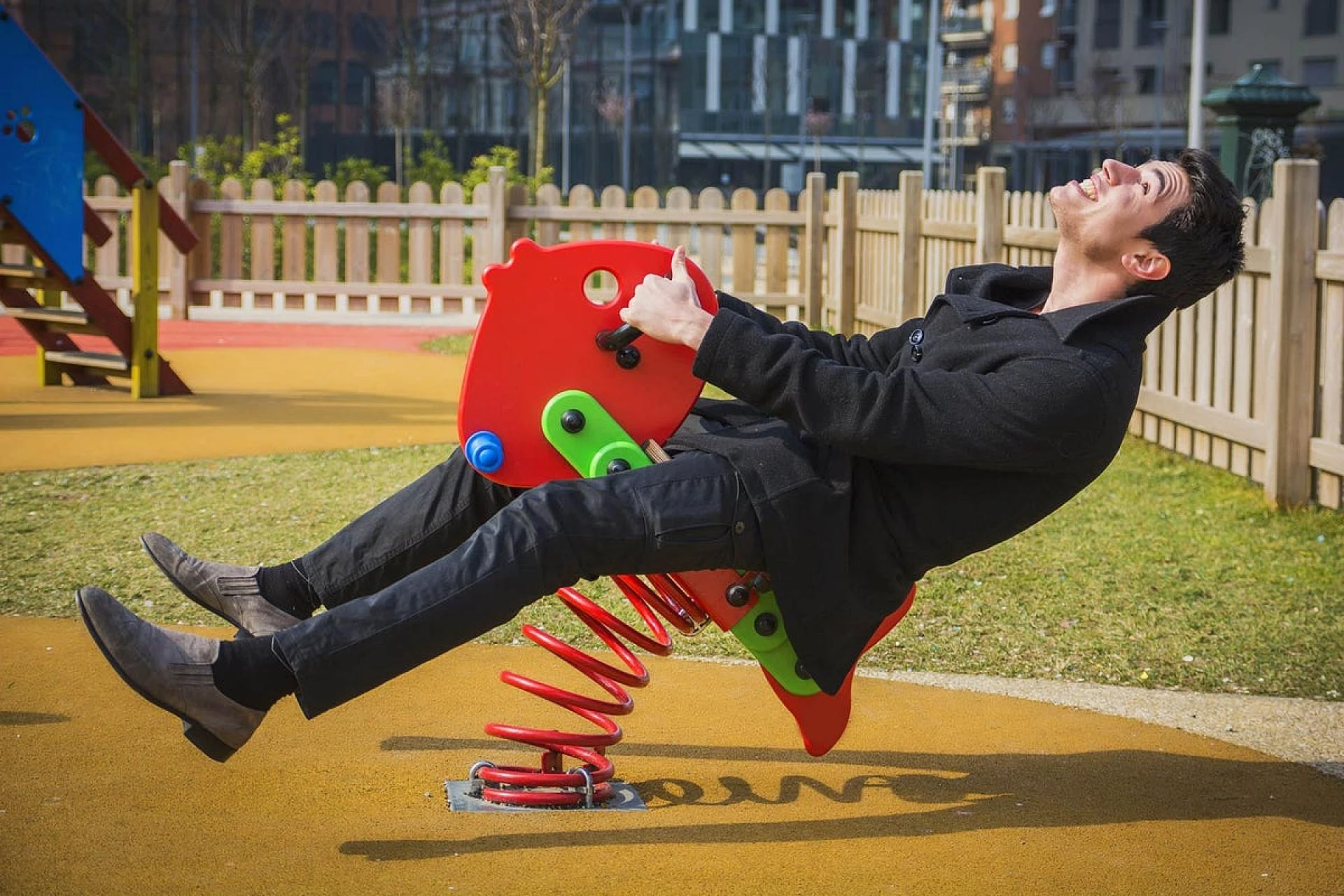
Somewhere between childhood and adulthood, many of us are taught that play is something to outgrow. We trade toys for to-do lists, imagination for productivity. But the truth is, play doesn’t lose value when we get older, if anything, it becomes even more important.
Play isn’t just about fun. Psychologists link it to creativity, resilience, and emotional well-being. When we play, we switch off the part of our brain obsessed with outcomes and reconnect with curiosity. In a world where burnout is common, that’s more than a luxury, it’s survival.
The Real Benefits
Engaging in playful activities as an adult brings surprising rewards. It lowers stress, opens up creativity, strengthens relationships, and even sharpens focus once you return to daily tasks. What feels like “wasting time” is often the very thing that helps us recharge and show up better in other areas of life.
What Counts as Play?
Play doesn’t always mean board games or sports. It’s any activity you approach with joy rather than obligation. For adults, that might mean:
Cooking without following strict recipes
Dancing in your living room
Sketching, Painting By Numbers, or gardening
Turning ordinary routines into light-hearted challenges
The point isn’t what you do, it’s how you do it. Play means giving yourself permission to be present and not take everything so seriously.
Rekindling the Habit
If it feels awkward at first, that’s normal. Most adults have been conditioned to think play is unproductive. The trick is to start small, set aside a little time for something purely enjoyable, join a community class where fun is encouraged, or swap a bit of screen time for a playful offline hobby. Over time, play stops feeling like a guilty pleasure and starts becoming a vital part of life.
A Closing Thought
Children don’t play because it’s good for them. They play because it’s natural. As adults, we don’t lose that instinct, we just bury it under responsibilities. Bringing play back into our lives isn’t frivolous. It’s a way to stay human in a world that often demands we be machines.