
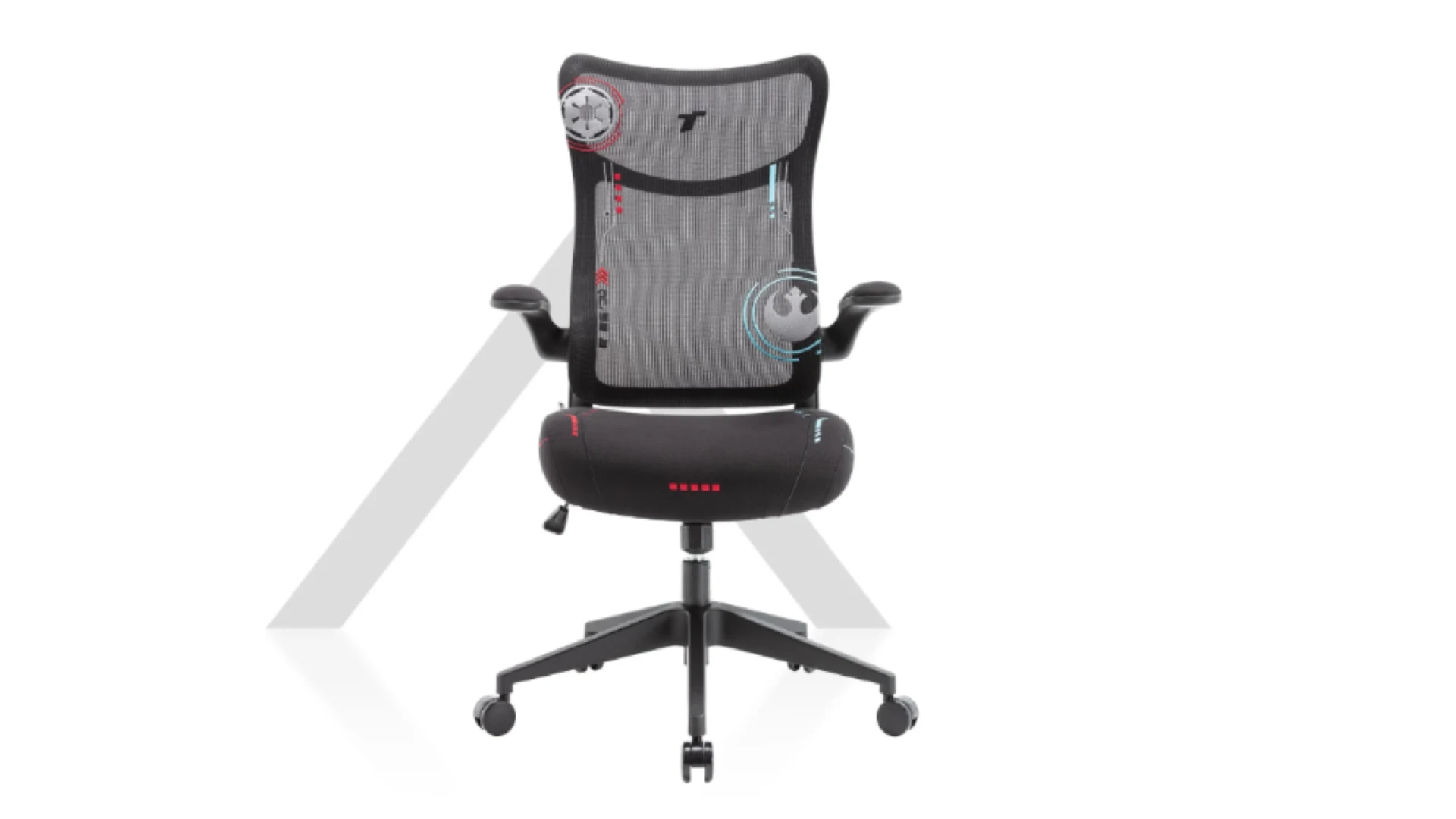
Spending long hours seated, whether at the office or working from home, can have profound effects on the body. From back pain to decreased circulation, improper seating often contributes to physical discomfort and long-term health issues. Choosing the right work chair for health is therefore more than a matter of comfort—it is an investment in wellbeing and productivity.
Modern research underscores the link between posture, musculoskeletal health, and work performance. A chair that supports proper alignment helps reduce strain on the spine, shoulders, and neck, promoting both physical comfort and mental focus. Understanding these benefits can guide individuals in making informed choices for their home or office setups.
Selecting a work chair for health in mind requires considering ergonomic principles, adjustability, and personal needs. This article explores the key aspects of a work chair for health and how it can improve overall wellbeing in daily work environments.
Understanding Ergonomics and Its Role in Health
Ergonomics is the study of designing work environments to fit the user's needs, minimizing strain and maximizing efficiency. A chair that adheres to ergonomic principles supports the natural curvature of the spine, encourages proper posture, and reduces the risk of repetitive stress injuries.
The Spine and Posture Connection
The human spine has a natural S-shape, and prolonged sitting in a poorly designed chair can flatten or exaggerate these curves. Over time, this may lead to chronic back pain or musculoskeletal disorders. Chairs designed with lumbar support and adjustable features help maintain spinal alignment, reducing stress on intervertebral discs and surrounding muscles.
Impact on Circulation and Comfort
Extended sitting can impair blood flow to the legs and lower extremities, increasing the risk of discomfort and swelling. Ergonomic chairs often feature seat height and depth adjustments, allowing the user to maintain a 90-degree angle at the knees and hips. Such positioning encourages circulation and prevents fatigue, contributing to sustained focus during long work sessions.
Key Features of a Health-Focused Work Chair
When evaluating chairs for health purposes, certain features stand out as essential. These elements go beyond aesthetics, directly influencing physical wellbeing.
Adjustable Seat Height and Depth
Being able to adjust the seat ensures that your feet rest flat on the floor and your thighs are parallel to the ground. Depth adjustment prevents pressure on the back of the knees, improving circulation and comfort over time.
Lumbar Support and Backrest Design
A chair with built-in lumbar support promotes proper spinal curvature. Some designs include dynamic or adjustable lumbar mechanisms that adapt to different postures throughout the day, reducing back strain.
Armrests and Shoulder Alignment
Adjustable armrests help prevent shoulder and neck tension by supporting the forearms while typing or using a mouse. Proper arm positioning can alleviate upper body fatigue and promote better posture.
Swivel and Mobility
A chair that allows smooth rotation and mobility reduces the need for twisting or reaching awkwardly. This can prevent strain on the lower back and shoulders, particularly in workspaces with multiple tasks or screens.
Benefits of Using a Health-Oriented Work Chair at Home and Office
The advantages of investing in a chair designed with health in mind extend beyond immediate comfort.
Reducing Chronic Pain and Injury Risk
Consistent use of a supportive chair reduces the likelihood of developing chronic back, neck, or shoulder pain. For individuals who spend most of their day seated, this can prevent long-term musculoskeletal conditions.
Enhancing Productivity and Focus
Physical comfort directly impacts cognitive performance. Discomfort and fatigue often lead to decreased concentration and lower efficiency. A chair that supports posture and circulation enables prolonged focus and energy throughout the workday.
Promoting Overall Wellbeing
Beyond musculoskeletal health, an ergonomically designed chair encourages movement and proper posture. This can improve breathing, digestion, and circulation, contributing to overall wellness. Individuals working from home may particularly benefit, as home setups often lack professional ergonomic considerations.
Choosing the Right Chair for Your Needs
Selecting a chair is not a one-size-fits-all decision. Personal factors, such as height, weight, and typical work duration, influence what features are most beneficial. Trying different chairs when possible, or consulting ergonomic guidelines, ensures a proper fit.
Assessing Work Environment
Consider the type of tasks performed, desk height, and available space. A chair that complements your environment allows for a seamless integration of ergonomics into daily routines.
Prioritizing Adjustability
Chairs with multiple adjustable features accommodate different postures and movements throughout the day. This flexibility is crucial for sustaining long-term comfort and health benefits.
Material and Durability
Breathable materials, supportive padding, and quality construction enhance both comfort and longevity. These factors ensure that the chair continues to provide ergonomic benefits over time.
Conclusion
A work chair for health is an essential tool for anyone spending significant time seated, whether in an office or at home. By supporting proper posture, circulation, and overall physical wellbeing, such chairs help prevent discomfort, enhance productivity, and promote long-term health. Thoughtful selection based on ergonomics, adjustability, and personal needs ensures the investment yields both immediate and lasting benefits. Prioritizing health in seating choices is not merely a matter of comfort—it is a proactive step toward sustaining physical and cognitive performance in daily life.
FAQs
What makes a chair “health-focused”?
A health-focused chair supports spinal alignment, encourages proper posture, and reduces strain on muscles and joints. Features like adjustable lumbar support, seat height, and armrests are key indicators.
How often should I adjust my chair?
Adjustments should be made whenever you change posture, tasks, or working positions. Regularly checking height, backrest, and armrest settings can prevent discomfort and maintain ergonomic alignment.
Can a good chair prevent back pain entirely?
While a supportive chair reduces the risk of pain and injury, maintaining good posture, taking breaks, and incorporating movement are equally important for long-term back health.
Are ergonomic chairs suitable for home use?
Yes. Home workspaces often lack professional setups, making ergonomically designed chairs particularly beneficial for comfort and health during extended work sessions.
How do I know if a chair fits me correctly?
A chair fits well if your feet rest flat on the floor, knees form roughly a 90-degree angle, the lumbar region is supported, and your shoulders and arms remain relaxed during tasks.