In Thailand's tropical climate, where the sun's intensity can be a challenge and sudden rain showers are a common occurrence, the exterior of a home faces unique demands. While many homeowners focus on interior upgrades, a simple addition to the front of a house can provide a surprising amount of comfort, protection, and style. This upgrade is the front awning. More than just a simple sunshade, a front awning is a multi-functional addition that can transform the aesthetic of your home, protect your entryway, and even help to lower your energy bills.
A front awning can serve as a welcome mat for your home, adding a layer of architectural detail that enhances curb appeal and provides a practical shield from the elements. Whether your home is a traditional Thai-style house with a large veranda or a modern townhouse in a suburban development, there is an awning style that can perfectly complement its design. This article will explore the various benefits of installing a front awning and provide some creative ideas to help you select the perfect one for your home in Thailand.
More Than Just a Shade: The Benefits of a Front Awning
While providing shade is the primary function of an awning, a well-designed front awning offers a range of additional benefits that make it a worthwhile investment for any homeowner.
1. Protection from the Elements
A front awning provides a reliable shield against the two most common weather conditions in Thailand: intense sun and heavy rain.
- Sun Protection: An awning over a window or a door can block direct sunlight from entering your home. This is particularly important for windows that face east or west, which receive the most direct sun exposure. By blocking the sun's harsh rays, an awning can protect your furniture, flooring, and artwork from fading and sun damage.
- Rain Protection: A front awning creates a dry, sheltered space over your front door. This prevents you from getting soaked while fumbling for your keys and keeps rain from splashing onto your doorstep, reducing the risk of a slip or fall. It also helps to protect your door and window frames from moisture damage over time, which can be a common problem in a humid climate.
2. Reduced Energy Costs
One of the most practical and often overlooked benefits of a front awning is its impact on your home's energy efficiency. By blocking a significant amount of the solar heat gain that enters your home through windows, an awning reduces the workload on your air conditioning unit. This means your home stays cooler naturally, which can lead to a noticeable decrease in your electricity bills, a welcome saving for any homeowner in Thailand.
3. Enhanced Curb Appeal and Architectural Style
A front awning can be a powerful design element that adds a new level of style and sophistication to your house exterior. It can be a way to add a pop of color, create a focal point, or simply complement the existing architecture.
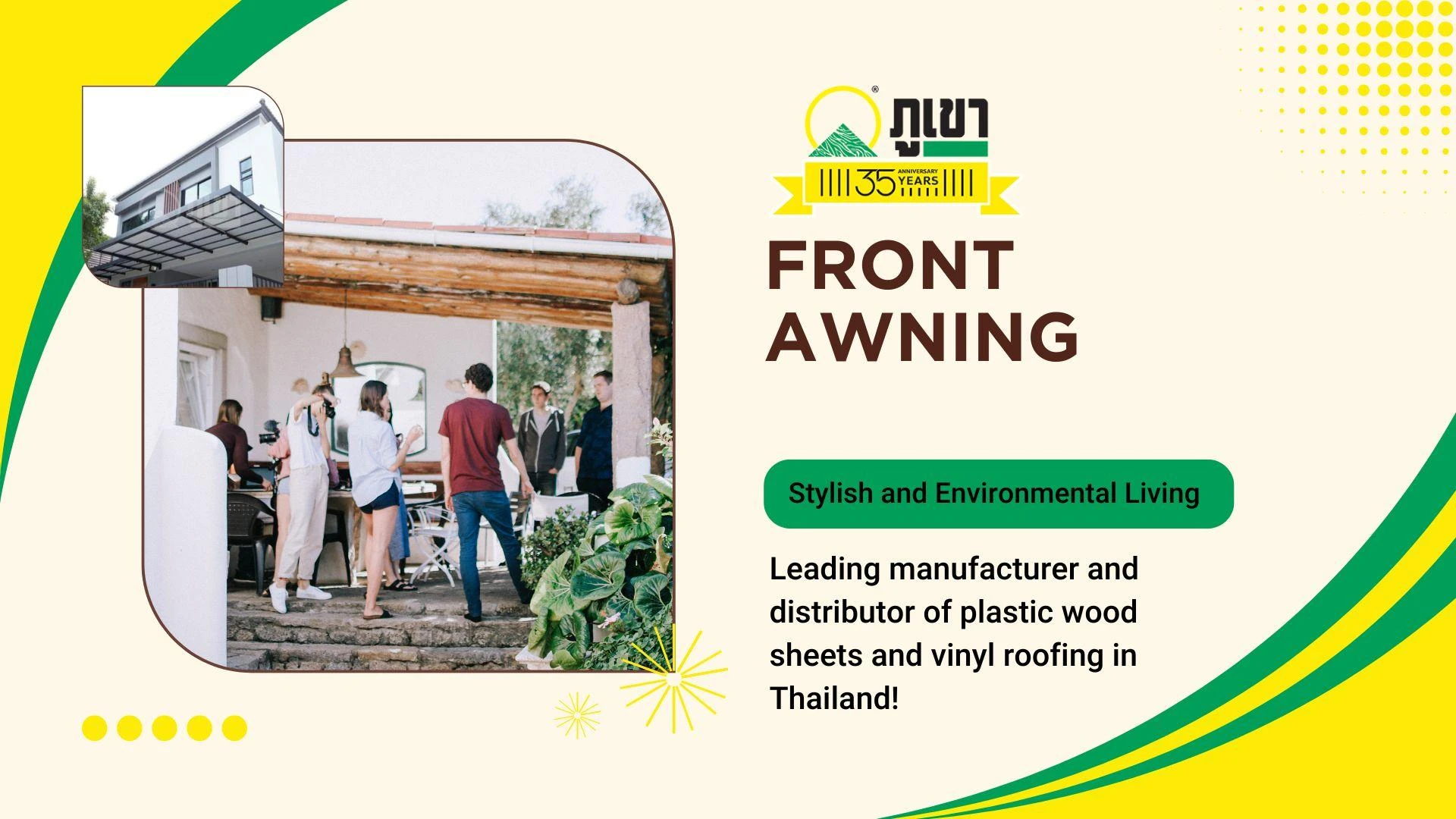
- Modern Homes: For a modern townhouse with clean lines and a minimalist aesthetic, a sleek, flat-roofed awning made of polycarbonate or metal can provide a contemporary look that is both functional and stylish.
- Traditional Homes: A traditional Thai-style home can be enhanced with a classic sloped roof awning made of materials like wood or a durable fabric that complements the natural look of the house.
- Color and Texture: Choosing the right color and material is key. A brightly colored awning can add a playful, welcoming touch, while a neutral tone can create a sense of elegance.
Creative Ideas for Front Awnings
The wide variety of materials and designs available means you can find an awning that perfectly suits your home's style and your personal needs.
1. The Retractable Awning: The Ultimate in Flexibility
A retractable awning is a popular choice for homeowners who want to control their sun exposure. With the push of a button or a simple crank, you can extend the awning for shade on a hot day and retract it on a cloudy day or in the evening to enjoy an unobstructed view. Some modern retractable awnings can even be integrated with smart home systems and feature wind sensors that automatically retract the awning in high winds, protecting it from damage.
2. The Fixed Awning: A Durable and Permanent Solution
A fixed awning is a more permanent and durable option. Once installed, it provides continuous protection from the elements. This type of awning is often used for front doors or large windows where constant shade is desired. They can be made from a variety of sturdy materials like aluminum, steel, or even reinforced fiberglass, which can withstand a lot of wear and tear and are a good long-term investment.
3. The Canopy Awning: A Classic and Stylish Choice
A canopy awning, which has a distinct sloped or curved roof, is a timeless choice that adds a touch of elegance to any home. They are often used over front doors or windows to create a sheltered entry area. For a more classic look, they can be made with a metal frame and a durable, fade-resistant fabric. For a more contemporary feel, they can be made from clear or tinted polycarbonate, which allows light to filter through while blocking UV rays.
4. Custom-Designed Awnings
If you have a unique house design or want an awning that truly stands out, a custom-designed awning is the way to go. Working with a professional awning fabricator in Thailand, you can design an awning that perfectly fits your space, matches your home's aesthetic, and meets your specific needs. From choosing a specific material to a unique shape or a custom color, a custom awning allows for a high degree of personalization.
Key Considerations Before You Buy
Before you purchase a front awning, there are a few important factors to consider to ensure you make the right choice.
1. Material and Durability
The material of your awning needs to be able to withstand Thailand's climate. Look for materials that are resistant to UV rays, mold, and mildew. Fabrics made of acrylic or high-grade PVC are a good choice, as are solid materials like aluminum or polycarbonate. Ensure the frame is made from a rust-proof material like powder-coated aluminum or galvanized steel.
2. Installation
A front awning should always be installed by a professional. Proper installation is crucial for the safety and longevity of the awning. A professional installer will ensure the awning is securely mounted to your home's structure and that it can withstand high winds and heavy rainfall.
3. Maintenance
Consider how much maintenance the awning will require. A fixed metal or polycarbonate awning will require very little maintenance beyond a simple cleaning. A fabric awning may require more frequent cleaning to prevent the buildup of mold and dirt, but they are generally easy to clean with a soft brush, mild soap, and water.
Conclusion
A front awning is a simple yet effective upgrade that can dramatically enhance the exterior of your home in Thailand. It offers a practical solution to the challenges of sun and rain, helps to reduce your energy bills, and adds a significant level of style and curb appeal. By choosing the right type, material, and design for your home, you can create a functional and beautiful outdoor space that you can enjoy year-round. It's an investment that not only adds value to your property but also provides invaluable comfort and protection from the elements.
FAQs
1. Can an awning really help me save on my electricity bill?
Yes, it can. By shading your windows and doors, an awning can block a significant amount of solar heat from entering your home, which reduces the need for air conditioning. A study by the American Society of Heating and Air-Conditioning Engineers (ASHRAE) found that awnings can reduce solar heat gain by up to 77% on west-facing windows and up to 65% on south-facing windows. This can lead to a noticeable reduction in your electricity consumption.
2. What's the best material for a front awning in Thailand's climate?
For Thailand's climate, the best materials are those that are durable, UV-resistant, and water-resistant. Acrylic fabrics are a popular choice as they are fade-resistant and can be easily cleaned. For a non-fabric option, high-quality polycarbonate sheets are excellent as they are strong, lightweight, and can block UV rays while still letting light pass through.
3. How do I clean my awning?
For most fabric and non-fabric awnings, cleaning is straightforward. You can use a soft-bristled brush or a broom to remove any loose debris, then wash the surface with a solution of mild soap and water. Use a hose to rinse it thoroughly. Avoid using harsh chemicals or a pressure washer, as these can damage the fabric or the frame.
4. Will a front awning protect my home from termites?
A front awning itself will not protect your home from termites, but it can help. Termites are attracted to moisture and damp wood. By protecting your front door and window frames from direct rainfall, an awning helps to keep these areas dry, which can make them less attractive to termites and other pests that thrive in moist environments.