
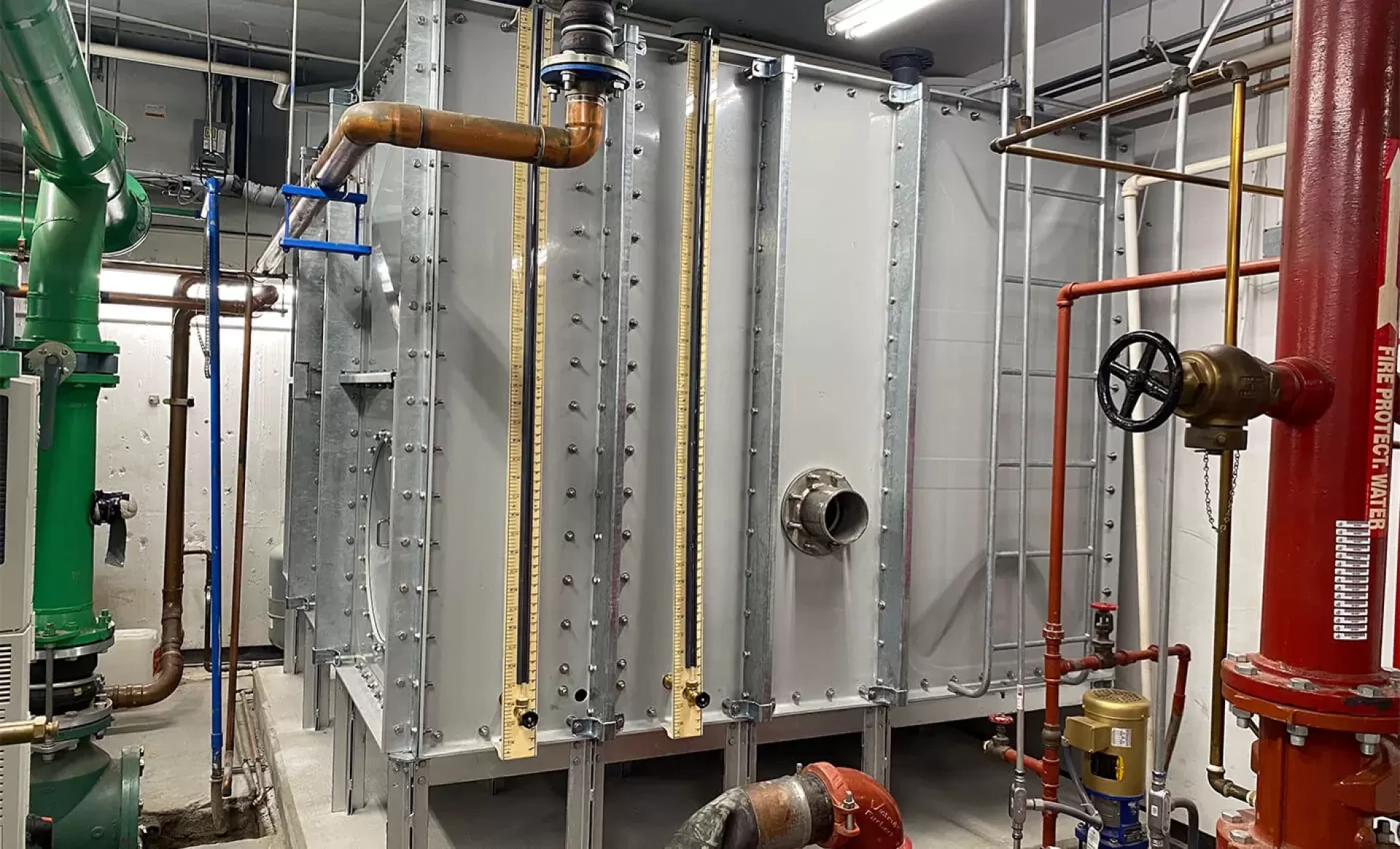
A fire tank is a crucial component of any property’s emergency preparedness plan. It provides an immediate and reliable water source in the event of a fire, especially in areas where municipal water access is limited. Whether installed on a residential, commercial, or industrial site, a fire tank ensures that water is available when every second counts. It can be connected to fire sprinkler systems or used directly by firefighting crews during emergencies. Having a fire tank in place can mean the difference between minor damage and a total loss.
The Role of Fire Tanks in Emergency Planning
Fire tanks are often required by local fire codes or insurance policies, especially in rural or high-risk areas. These tanks serve as backup water reserves to support firefighting efforts when public water systems are unavailable or insufficient. A properly installed fire tank gives peace of mind that your property is protected around the clock. It not only helps save lives and property but can also reduce insurance premiums. Fire tanks are a proactive step toward safety and resilience in the face of unexpected disasters.
Choosing the Right Size for Your Fire Tank
The size of a fire tank depends on the property type, location, and risk assessment. Common sizes include the 1000 gallon water tank for residential sites and larger tanks like the 3000 gallon water tank for commercial or industrial facilities. It’s important to assess water demand during a fire emergency and ensure the tank can meet those needs. The tank should hold enough water to operate fire suppression systems or provide sufficient volume for firefighting equipment. Working with professionals ensures you get a properly sized and compliant tank for your property.
Integration with Water Storage Solutions
A fire tank can be part of a broader system that includes general water storage solutions for daily use or emergency backup. Some properties integrate their fire protection systems with rainwater harvesting or well water storage. A reverse osmosis tank can also be included to ensure water quality if the stored supply is used for multiple purposes. With the right planning, one system can serve both daily needs and fire protection, increasing efficiency and return on investment. This integration is ideal for homes, farms, and businesses seeking complete water security.
Fire Tanks for Residential Protection
Homeowners in rural or wildfire-prone areas often rely on dedicated fire tanks to safeguard their property. These tanks are typically installed above ground for easy access and fast connection to fire hoses or sprinkler systems. A 1000 gallon water tank is commonly used in residential applications and offers a compact yet sufficient reserve. This setup supports first responders and gives residents valuable time to react during a fire emergency. Installing a fire tank is a smart decision for anyone looking to enhance their home’s safety and self-sufficiency.
Commercial Fire Tanks and Building Codes
Businesses must meet specific fire safety requirements, which often include installing a fire tank. These tanks are essential in commercial buildings, warehouses, factories, and office complexes where fire suppression systems depend on constant water availability. Depending on the size and layout of the facility, a 3000 gallon water tank may be more appropriate. Compliance with local codes ensures that fire tanks are correctly sized, installed, and maintained. This not only meets legal standards but also protects employees, assets, and operations from fire-related damage.
Industrial Fire Tank Applications
In industrial settings, fire tanks are a vital part of the fire protection system. Facilities that store flammable materials or operate heavy machinery require a large, reliable water supply in the event of a fire. Tanks must be built with high-strength materials to endure extreme conditions and extended use. Fire tanks in industrial sites are often connected to automated sprinkler systems, which activate immediately during a fire event. These systems help reduce fire spread and damage while supporting on-site response teams until external help arrives.
Material and Construction of Fire Tanks
Fire tanks are built using durable, long-lasting materials such as steel, fiberglass, or reinforced plastic. Each material offers unique benefits, but all are designed to withstand weather, impact, and long-term exposure. Fiberglass fire tanks are popular for their corrosion resistance and lightweight properties. Steel tanks offer unmatched strength and are commonly used in industrial and commercial applications. Proper construction and sealing ensure the tank holds water safely without risk of contamination or leakage. Selecting the right material depends on budget, location, and the tank’s intended use.
Fire Tank Maintenance and Inspection
Regular maintenance of a fire tank is essential to ensure it functions properly when needed. Routine inspections include checking water levels, verifying seals, and looking for any signs of wear or leaks. Fire codes may require annual certification to confirm the system meets safety standards. Keeping the tank clean and free of debris helps maintain water quality and system performance. Scheduled maintenance can also identify potential issues early, preventing costly repairs or failures during emergencies. A well-maintained tank is a reliable asset in any fire safety plan.
Custom Fire Tank Solutions by FTC Tanks
FTC Tanks offers customized fire tank solutions tailored to residential, commercial, and industrial needs. Whether you need a compact above-ground tank or a large-capacity underground system, FTC Tanks has the expertise to design and install the right solution. Each tank is built to meet safety standards and can be integrated into your existing infrastructure. Optional features include quick-connect valves, fire pump connections, and automatic refill systems. Our fire tanks are tested for reliability and are ready to protect your property in critical moments.
Fire Tank Placement and Installation Tips
Where you place your fire tank can affect both its performance and compliance with regulations. It should be located close enough to buildings for quick hose access but far enough to avoid fire exposure. Many tanks are placed near driveways or access roads to allow emergency vehicles easy connection. Above-ground tanks should be placed on a solid, level base to ensure stability and safety. Underground tanks require professional excavation and sealing to prevent seepage. Proper installation is key to the tank's longevity and emergency readiness.
Cost Considerations for Fire Tanks
The cost of a fire tank varies depending on size, materials, installation, and additional features. While the upfront investment may seem high, it’s important to weigh it against the potential cost of fire damage. Insurance companies may offer discounts for properties with proper fire protection systems in place. FTC Tanks provides competitive pricing and long-term value, ensuring customers get reliable protection without overspending. Investing in a fire tank is a proactive step toward safety and property preservation.
Environmental Benefits of Fire Tanks
In addition to safety, fire tanks contribute to sustainable water management. When filled with harvested rainwater or recycled water, they reduce strain on municipal supplies. They can also serve dual purposes—used for irrigation, livestock watering, or other non-potable needs when not in emergency use. Integrating fire tanks with water storage solutions supports environmental responsibility and efficient resource use. This makes them an excellent choice for eco-conscious property owners looking to protect both their land and the planet.
Fire Tank Regulations and Compliance
Installing a fire tank must meet local fire department requirements and building codes. Regulations may dictate minimum tank sizes, refill rates, connection types, and maintenance schedules. FTC Tanks helps clients navigate these rules to ensure all installations are fully compliant. Adhering to these standards is not only a legal requirement but also a critical step in ensuring safety. Our team provides documentation and support to help with approvals and inspections throughout the process.
Long-Term Security Through Fire Protection
Adding a fire tank to your property is more than a precaution—it’s an investment in long-term safety and peace of mind. It ensures you have access to water when you need it most, especially in areas with slow emergency response or unreliable infrastructure. From homes and businesses to remote farms and industrial sites, fire tanks provide protection that can’t be replaced. With FTC Tanks, you get a dependable solution backed by experience, quality, and commitment to safety.
Conclusion
A fire tank is a critical part of any comprehensive fire safety plan. Whether for residential peace of mind or commercial code compliance, having a dedicated water supply can save lives and property. From 1000 gallon water tanks to custom-designed systems, FTC Tanks delivers reliable solutions for every need. We also support integrated systems that include reverse osmosis tank setups and additional water storage options. Let FTC Tanks help protect what matters most with a high-quality, professionally installed fire tank system.