
Every year, hundreds of thousands of people suffer from strokes, many of which are preventable. One of the leading causes of stroke is carotid artery disease—a condition where plaque builds up in the arteries that supply blood to the brain. Fortunately, a simple diagnostic tool exists to detect this hidden danger: the carotid artery blockage test.
Early detection is the key to preventing serious complications, including stroke. In this article, we'll explore what a carotid artery blockage test is, how it works, who needs it, and why it could be a lifesaver.
What Are the Carotid Arteries?
The carotid arteries are two major blood vessels located on each side of the neck. They deliver oxygen-rich blood from the heart to the brain. You can actually feel them pulse gently if you place your fingers on either side of your neck.
When these arteries become narrowed or blocked due to atherosclerosis (plaque buildup), it reduces blood flow to the brain and increases the risk of ischemic stroke, the most common type of stroke.
What Is a Carotid Artery Blockage Test?
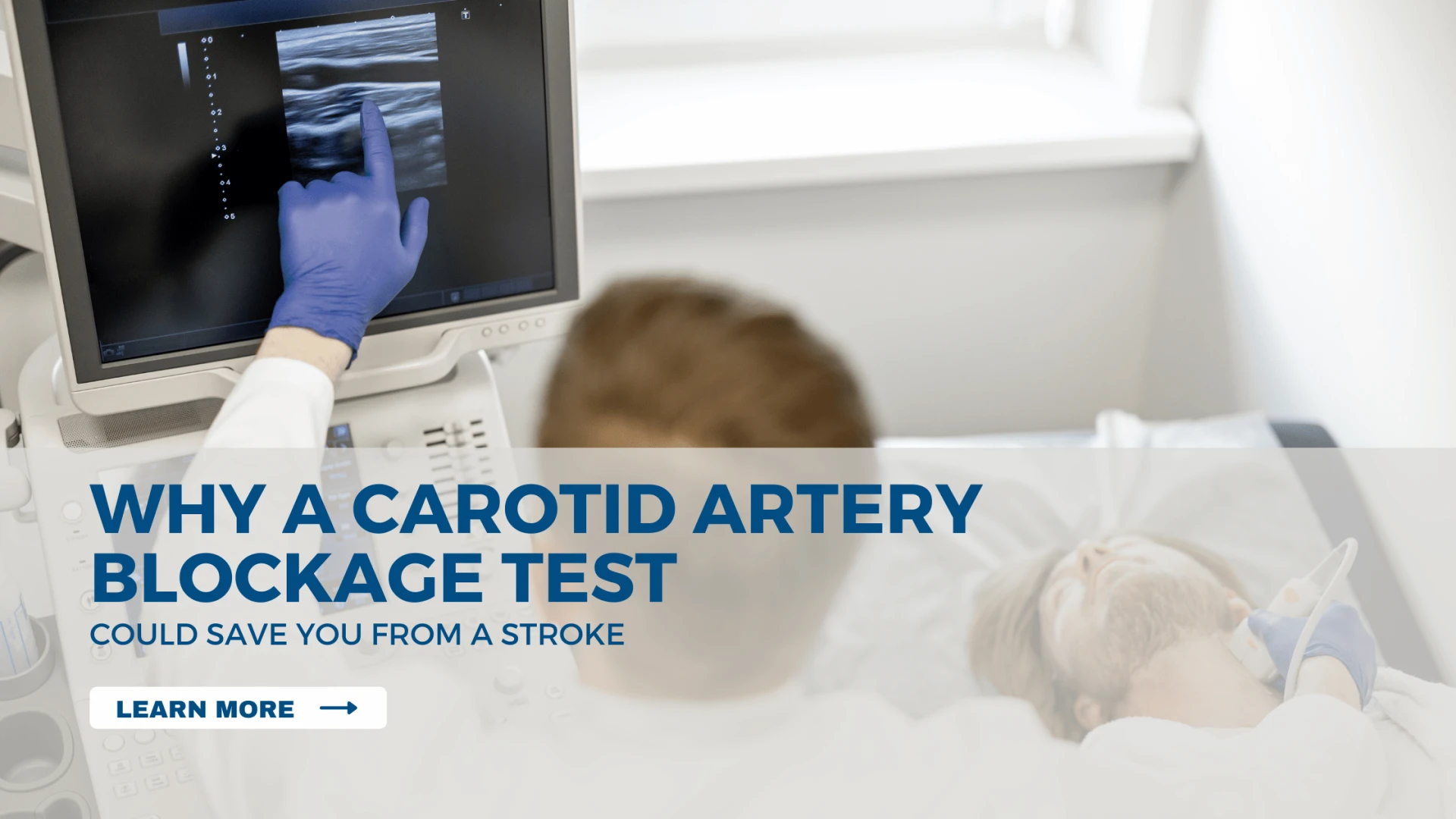
A carotid artery blockage test is a non-invasive diagnostic procedure used to detect narrowing, blockages, or plaque buildup in the carotid arteries. It often involves a carotid ultrasound, which uses sound waves to create detailed images of the blood vessels.
In more advanced cases, other imaging tools such as CT angiography or MR angiography may be recommended for further evaluation.
Why Is This Test So Important?
Carotid artery disease often has no symptoms until a stroke occurs. That means someone could have dangerously narrowed arteries and not even know it. Here’s why testing is crucial:
- Early Detection: Identify blockages before symptoms appear.
- Preventive Action: Enables doctors to prescribe medication or lifestyle changes to reduce stroke risk.
- Monitoring: For individuals already diagnosed with cardiovascular issues, it helps track disease progression.
- Surgical Planning: In some cases, surgery like carotid endarterectomy or stenting may be necessary, and this test provides the information needed to proceed safely.
Who Should Consider a Carotid Artery Blockage Test?
While not everyone needs this test, certain groups are at higher risk and should consider screening:
- People over 65
- Smokers or former smokers
- Individuals with high blood pressure or high cholesterol
- People with diabetes
- Those with a family history of stroke or cardiovascular disease
- Patients who have experienced transient ischemic attacks (TIAs or "mini-strokes")
If you fall into any of these categories, ask your doctor about the benefits of a carotid artery blockage test.
How Is the Test Performed?
A carotid ultrasound is the most common method and is:
- Painless and non-invasive
- Performed in under 30 minutes
- Done using a handheld transducer and ultrasound gel
- Capable of showing blood flow and plaque buildup in real-time
The process is simple and requires no special preparation. Patients lie on an exam table while a technician gently moves the device over their neck area. The images are then reviewed by a physician for diagnosis and treatment planning.
What Happens After the Test?
Once results are reviewed, your healthcare provider will discuss the findings. Outcomes may include:
- Normal Results: No significant plaque or blockage; continue healthy habits.
- Mild to Moderate Blockage: Lifestyle changes and medication may be recommended.
- Severe Blockage: Surgical intervention or more aggressive treatment may be necessary.
Regardless of the outcome, the test provides valuable insight into your vascular health and informs next steps.
Can Carotid Artery Disease Be Reversed?
While you can’t reverse plaque once it has hardened, you can stop its progression and, in some cases, shrink soft plaque deposits. This is possible through:
- Cholesterol-lowering medications
- Blood pressure control
- Smoking cessation
- Regular exercise
- A heart-healthy diet
- Managing diabetes or insulin resistance
The earlier you catch the condition, the more options you have to avoid serious complications.
Stroke: The Risk You Can’t Ignore
Strokes are the fifth-leading cause of death in the U.S. and a leading cause of long-term disability. Most strokes happen suddenly, often without warning. But the underlying cause—like a blocked carotid artery—can often be detected and treated ahead of time.
That’s why proactive screening with a carotid artery blockage test is so valuable. It gives you a chance to act before an emergency strikes.
The Role of Preventive Healthcare
Getting regular screenings like this is part of a broader approach to preventive health. When combined with regular check-ups, blood work, and heart monitoring, carotid testing becomes a powerful tool in reducing your overall risk of stroke and cardiovascular disease.
In many cases, it can even motivate people to make healthier choices, knowing they have a clearer picture of what’s happening inside their body.
Final Thoughts
If you or a loved one falls into a high-risk group for cardiovascular issues or stroke, don’t wait for symptoms to show up. A carotid artery blockage test is quick, painless, and potentially life-saving.
Early action can make the difference between maintaining a healthy life and facing the devastating effects of a stroke. Your arteries may be silent now, but getting tested gives them a voice—and empowers you to take control of your health.