Emergencies can occur at any time, which requires people to develop skills for rapid and effective emergency response.
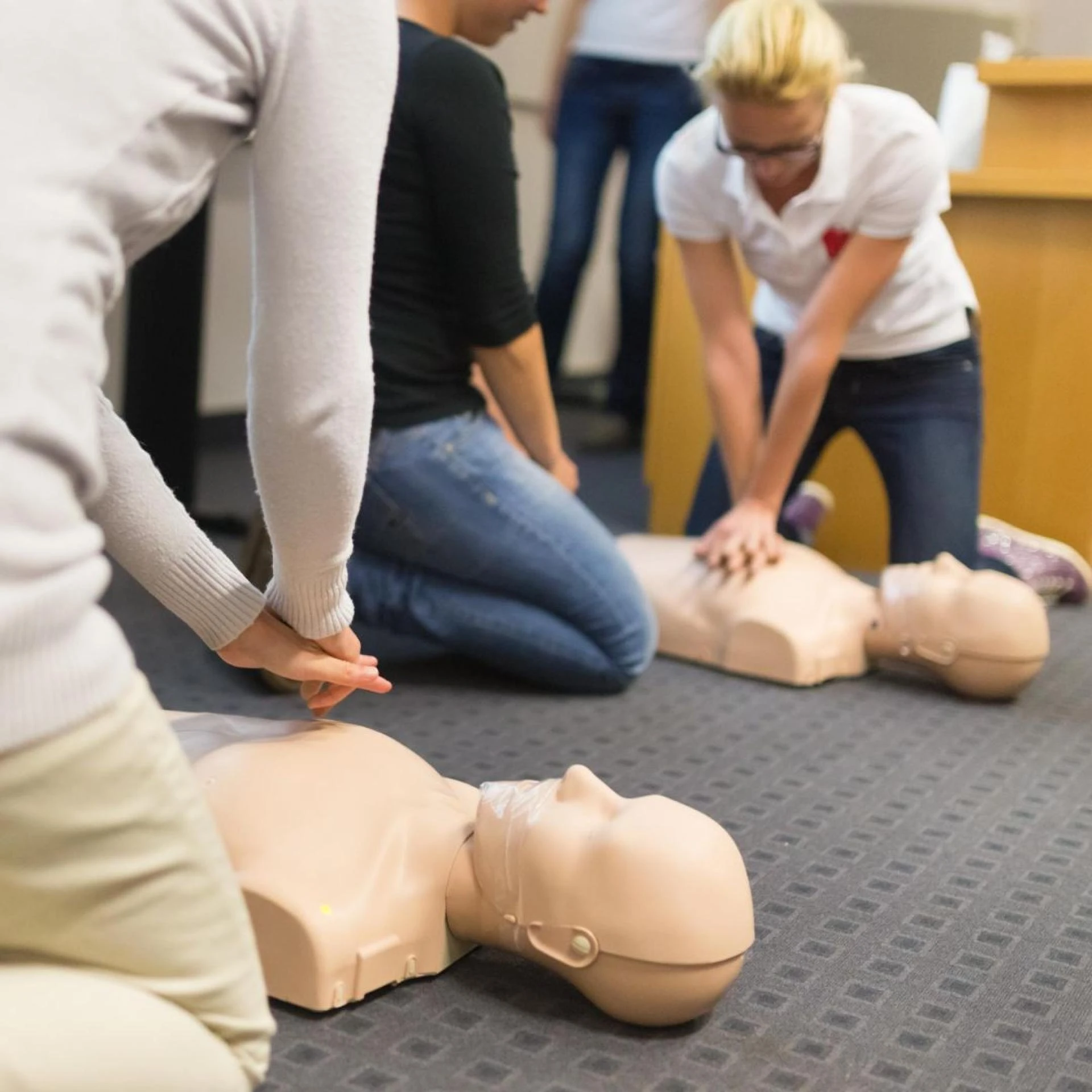
The BLS training program teaches people how to identify dangerous medical situations and deliver essential medical assistance until trained professionals arrive at the scene.
The state requires its wide-ranging population base to develop emergency response skills because various professions and community roles need this ability, which leads many people to undergo programs such as the American Heart Association basic life support course in Florida.
Key Takeaways
● Which professions commonly require BLS certification?
● Why might non-medical individuals also benefit from BLS training?
● How do workplace environments influence the need for emergency response skills?
● The broader role of community preparedness in public safety.
Which Professionals And Community Members Are Most Likely To Need BLS Certification?
Basic life support training is available to everyone who needs to learn it because it requires them to handle emergency medical situations, which can happen at any moment.
The emergency medical training that all professionals need to complete at work also applies to the general public who require medical training for emergencies.
1. Healthcare Professionals
The active certification requirement applies to nurses, physicians, medical assistants, dental professionals, and allied health workers. The American Heart Association basic life support course in Florida, which healthcare workers must complete, is essential training for their work because they will face cardiac and respiratory emergencies in their daily tasks.
2. First Responders And Public Safety Workers
Police officers, firefighters, and emergency medical personnel must respond to urgent situations that require immediate intervention. BLS training helps ensure they can provide effective support before advanced care becomes available.
3. Educators And Childcare Providers
Teachers, school personnel, daycare employees, and camp counselors monitor students during their entire school day. Educational institutions recommend or require their staff to complete the American Heart Association basic life support course in Florida, which is a safety measure to protect students from choking, allergic reactions, and sudden medical emergencies.
4. Fitness And Recreation Professionals
Physical activity at the facility receives supervision from personal trainers and coaches, lifeguards, and recreation center staff members, who monitor activities that sometimes lead to medical emergencies. The BLS skills taught to them provide the necessary skills to deliver emergency medical assistance, which they use to treat patients experiencing heart problems or respiratory issues, or patients who have collapsed.
5. Workplace Safety Personnel
Industrial construction and manufacturing environments require their safety officers to complete BLS training for better emergency response capabilities. The presence of trained personnel enables organizations to handle emergencies until emergency services arrive.
6. Community Members And Caregivers
The American Heart Association basic life support course in Florida attracts family caregivers, volunteers, and people who assist elderly or medically fragile individuals beyond their professional work obligations. Their training enables them to maintain composure while effectively handling demanding situations that arise in both domestic and public environments.
7. Individuals Seeking General Preparedness
Some people pursue BLS training to gain emergency response confidence for handling emergencies that occur in public areas, workplaces, and at social events. The community develops better awareness, which allows its members to respond more effectively while maintaining safer environments.
High-Risk Environments That Increase The Need For BLS Skills
Florida's unique environmental features necessitate the distribution of BLS training across the state. The combination of public events, tourist activities, water sports, and outdoor recreational opportunities increases the risk of medical emergencies occurring outside of medical facilities.
Immediate help becomes necessary at various locations, including beaches, sports complexes, theme parks, and community events, before professional responders can reach the site.
Florida has a large older adult population who require better access to medical services because they face increased danger from cardiac and respiratory emergencies. In such settings, bystanders trained with the skills from the American Heart Association basic life support course in Florida help them to provide emergency support, which improves patient outcomes until emergency services arrive.
Conclusion
Basic life support training serves a wide range of individuals, from healthcare professionals and first responders to educators, caregivers, and everyday community members. The shared ideology across these groups is being prepared at all times, which enables more people to respond effectively during emergencies.
The american heart association cpr training in Florida establishes training standards for various roles through its emphasis on readiness, which benefits organizations that implement this program.
That’s why, before embarking on the training journey, one must make sure to research carefully for knowledgeable instructors like the one at Fujahn Life Support Training LLC, which makes the onboarding process much easier for the learners.