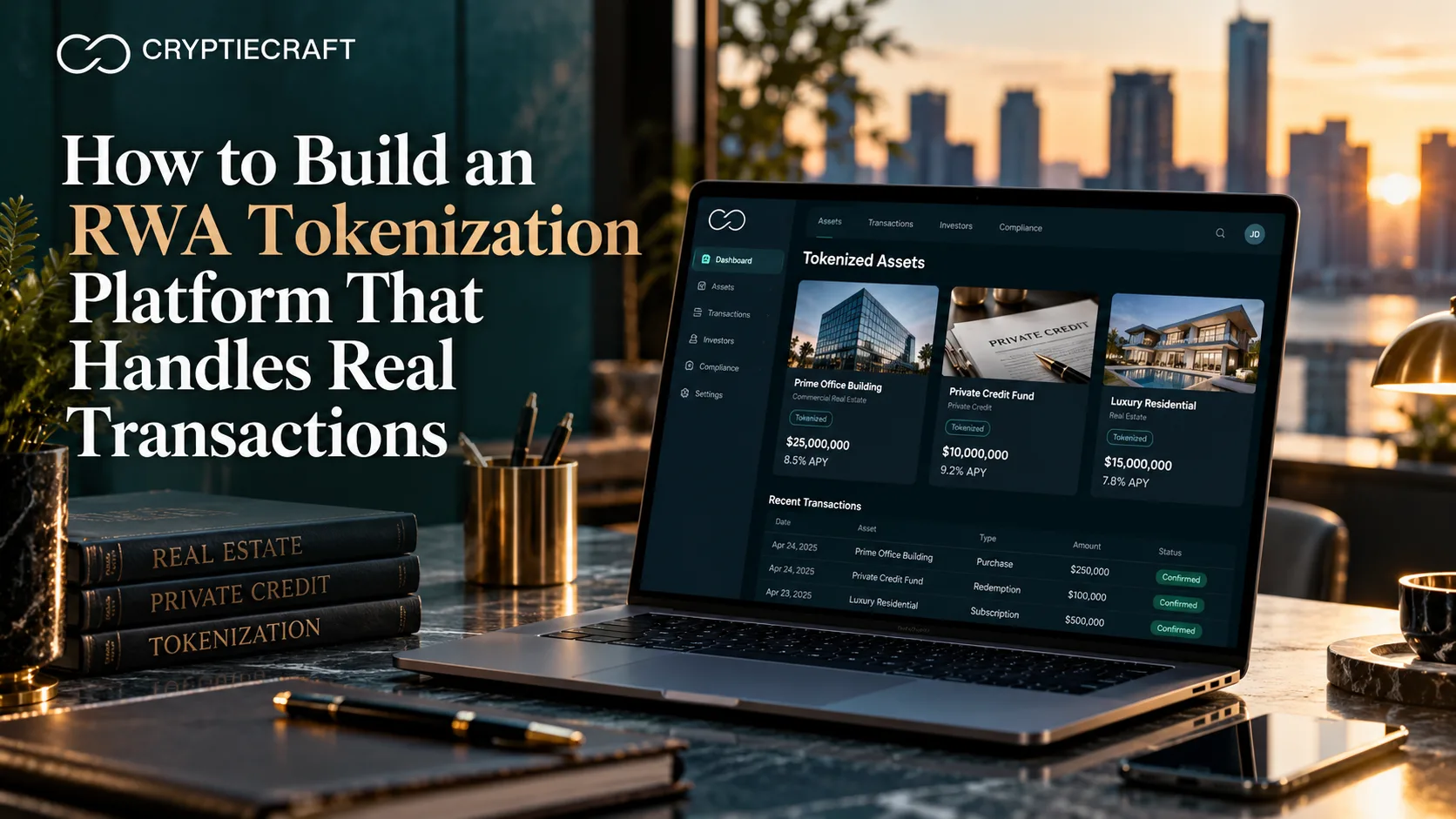
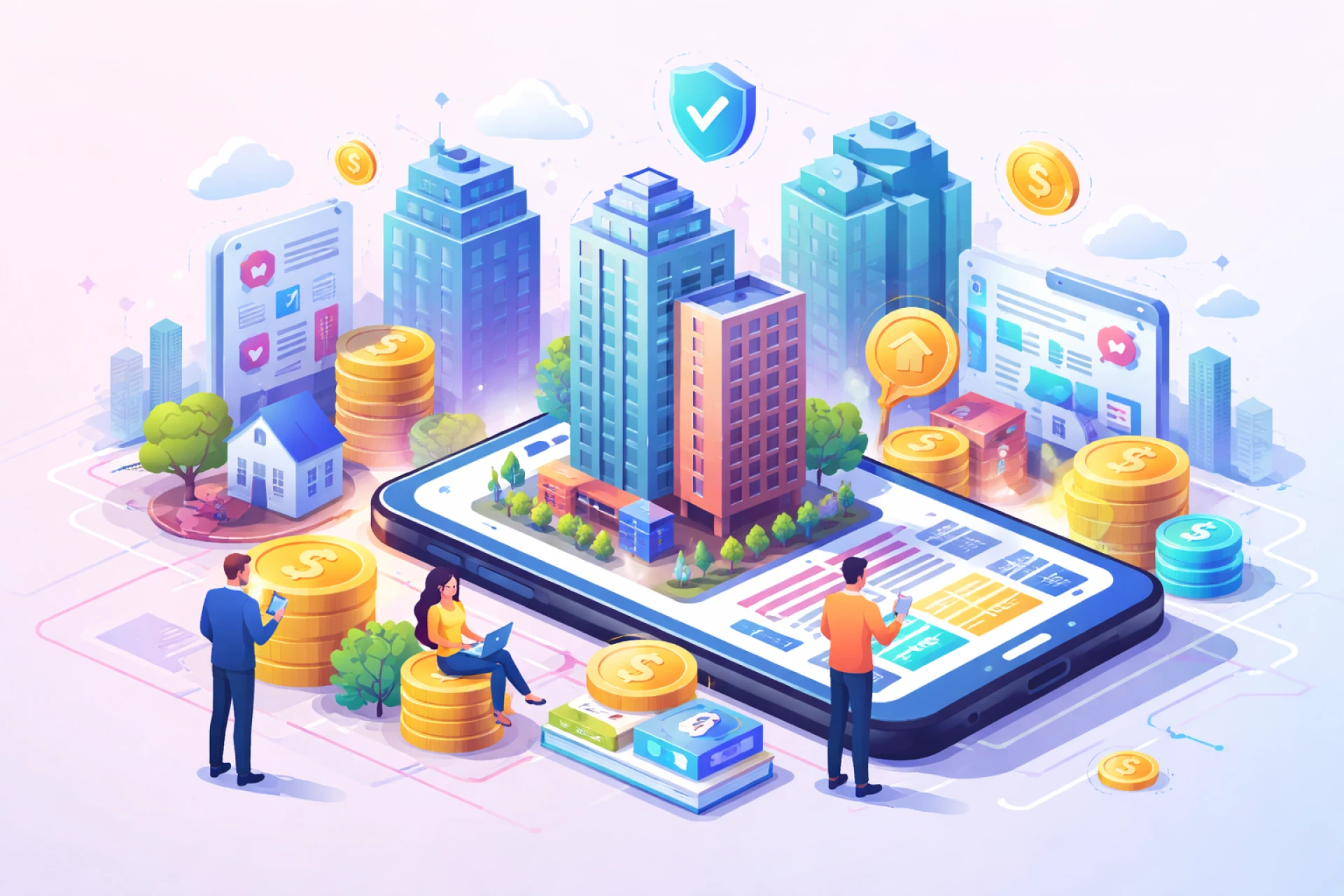
Real estate investment has traditionally required significant capital, complex legal processes, and access to institutional networks. For many retail investors, property ownership remained difficult due to high entry barriers. Over the past few years, blockchain-based tokenization has introduced new methods of fractional ownership, allowing investors to participate in property markets with smaller amounts of capital.
Startups and fintech companies are increasingly adopting tokenized real estate models to create digital investment platforms. However, developing a blockchain infrastructure from the ground up requires technical knowledge, regulatory preparation, and considerable development time. This is where White Label Real Estate Tokenization solutions have become a practical option for startups that want to launch real estate investment apps without spending years building the underlying technology.
A White Label Real Estate Tokenization Platform allows businesses to deploy ready-made infrastructure that supports asset tokenization, investor management, digital compliance tools, and blockchain-based ownership records. Instead of starting from scratch, startups can introduce real estate investment platforms quickly while focusing on investor acquisition, property partnerships, and platform growth.
This article explains how the white label model works, why startups prefer it, and how entrepreneurs can use White Label Real Estate Tokenization Platform Development to introduce their own real estate investment applications.
The Shift Toward Tokenized Real Estate Platforms
Real estate tokenization refers to converting property ownership into blockchain-based digital tokens. Each token represents a fractional share in a property asset. Investors can purchase these tokens through digital platforms, allowing broader participation in property investment.
Traditional real estate investment involves paperwork, intermediaries, and long settlement periods. Tokenization platforms digitize ownership records, investment contracts, and transaction processes. As a result, investors can buy and sell property fractions more efficiently.
For startups, tokenized property platforms represent an opportunity to enter the real estate investment market with technology-focused models. By combining blockchain infrastructure with property investment services, companies can offer digital marketplaces where investors participate in fractional ownership.
Launching such a platform independently would require blockchain engineers, legal infrastructure, smart contract development, and investment management systems. White Label Real Estate Tokenization Services address this challenge by offering pre-developed frameworks that startups can deploy under their own brand.
What Is White Label Real Estate Tokenization?
White Label Real Estate Tokenization refers to ready-made tokenization software that businesses can rebrand and launch as their own real estate investment platform. The infrastructure includes blockchain integration, smart contract architecture, token issuance systems, and investor management tools.
A White Label Tokenization Platform usually includes the following components:
- Token creation modules
- Property listing management systems
- Investor onboarding systems
- Compliance and KYC verification
- Digital wallets and transaction records
- Asset management dashboards
- Token trading interfaces
With these tools already prepared, businesses can focus on property acquisition, investor onboarding, and platform operations instead of software engineering.
White Label Real Estate Tokenization Development companies provide the technology while startups control branding, user experience, and market strategy.
Why Startups Prefer White Label Tokenization Platforms
Startups entering the real estate investment sector face several technical and financial challenges. Developing blockchain software internally can require large development teams and long project timelines.
White Label Real Estate Tokenization Platform Development offers a more practical approach for several reasons.
Faster Platform Launch
Developing tokenization infrastructure internally may take months or even years. White label software shortens the timeline considerably because the main framework already exists.
Entrepreneurs can launch property investment apps much sooner while focusing on real estate partnerships and investor engagement.
Lower Development Cost
Blockchain engineers, security specialists, and legal consultants increase development expenses. A White Label Real Estate Tokenization Platform reduces these costs because the software framework has already been prepared.
Startups only pay licensing or service fees instead of building an entire development department.
Proven Infrastructure
White label providers usually test their software across multiple deployments. This gives startups access to technology frameworks that have already undergone security testing and operational evaluation.
Focus on Business Strategy
Technology development often diverts attention from market growth. When startups adopt White Label Real Estate Tokenization Services, they can concentrate on investor acquisition, marketing strategies, and property listings.
The Startup Model for Real Estate Investment Apps
The rise of tokenized real estate platforms has encouraged many entrepreneurs to develop property investment apps that connect global investors with property opportunities. The white label model supports this startup ecosystem.
Several investment apps operating today follow a structure that includes digital property listings, fractional ownership tokens, and blockchain-based investment records.
The startup model generally includes four layers:
- Property sourcing and verification
- Tokenization of property assets
- Investor marketplace for token purchases
- Digital management of ownership and income distribution
White Label Tokenization Platform technology provides the infrastructure for these functions.
How White Label Real Estate Tokenization Platforms Work
Understanding the workflow of a White Label Real Estate Tokenization Platform helps entrepreneurs plan their investment apps more effectively.
Property Selection
The platform owner selects properties for tokenization. These may include residential buildings, commercial spaces, hotels, or industrial properties.
Each property undergoes due diligence such as valuation, legal verification, and ownership documentation.
Asset Tokenization
After verification, the property is divided into digital tokens. Each token represents a fractional share of the property’s value.
Smart contracts record ownership rules, investor rights, and dividend distribution mechanisms.
White Label Real Estate Tokenization Development frameworks usually include token generation tools that automate this process.
Investor Onboarding
Investors create accounts on the platform and complete verification procedures such as identity checks and compliance requirements.
Once verified, investors can purchase property tokens using supported payment methods.
Token Transactions
Investors can buy fractional ownership tokens from the platform marketplace. Some platforms also allow peer-to-peer token transfers or secondary trading within the platform ecosystem.
The White Label Real Estate Tokenization Platform maintains transaction records on blockchain networks.
Revenue Distribution
If the property generates rental income or profits from sales, token holders receive proportional distributions based on their ownership percentage.
Smart contracts handle payment allocation automatically.
Methods for Launching a White Label Real Estate Tokenization Platform
Startups that want to launch property investment apps using white label infrastructure typically follow a structured process.
Method 1: Market Research and Business Planning
Entrepreneurs begin by studying the tokenized real estate market. They identify target investor groups, preferred property types, and regional regulatory conditions.
Market analysis also helps determine whether the platform will focus on residential properties, commercial assets, or mixed portfolios.
Method 2: Selecting a White Label Real Estate Tokenization Provider
The next step involves choosing a technology provider that offers White Label Real Estate Tokenization Services.
Evaluation factors include:
- blockchain network compatibility
- security architecture
- regulatory support features
- investor management tools
- property tokenization modules
Selecting the right provider determines the platform’s long-term reliability.
Method 3: Platform Branding and Interface Design
After licensing the white label software, startups customize the platform’s visual identity. This includes logo integration, user interface design, and mobile application layouts.
Although the technology comes from a White Label Tokenization Platform provider, the platform operates under the startup’s brand.
Method 4: Legal and Compliance Preparation
Real estate tokenization involves securities regulations in many jurisdictions. Startups must prepare legal documentation, investor compliance policies, and property ownership structures.
Legal advisors help determine how tokenized shares represent property ownership rights.
Method 5: Property Tokenization
Once the legal framework is established, property assets are tokenized through the platform’s token generation system.
White Label Real Estate Tokenization Platform Development software handles the technical token issuance process.
Method 6: Investor Marketplace Launch
After tokenization, the platform launches its investment marketplace. Investors can browse property listings, review financial projections, and purchase tokens.
Marketing campaigns and partnerships often play a role in attracting early investors.
Key Components of White Label Real Estate Tokenization Platforms
A functional tokenized property investment app requires several interconnected systems. White Label Real Estate Tokenization Platform Development usually includes these components.
Asset Tokenization Engine
This module converts property ownership into digital tokens. It also records token distribution and investor ownership rights.
Investor Dashboard
The investor dashboard displays portfolio performance, property information, income distributions, and transaction history.
Property Listing System
This system allows platform administrators to upload property details, valuation data, and investment opportunities.
Compliance and Identity Verification
Compliance modules perform identity verification procedures to meet financial regulations. These systems help verify investor eligibility.
Token Trading Module
Some platforms support secondary token trading within the marketplace, allowing investors to sell ownership shares to other users.
Revenue Models for Tokenized Real Estate Platforms
Entrepreneurs launching investment apps using White Label Real Estate Tokenization Services often adopt multiple revenue streams.
Platform Listing Fees
Property owners may pay fees to list their assets for tokenization on the platform.
Transaction Fees
The platform may charge small fees for token purchases or secondary market trades.
Asset Management Fees
Some platforms collect periodic fees for managing tokenized properties and distributing income.
Investor Membership Plans
Certain investment platforms offer premium features such as detailed market analytics, portfolio tracking, and exclusive investment opportunities.
Benefits for Investors
Real estate tokenization platforms also offer advantages for investors compared with traditional property investment models.
Fractional Ownership
Investors can participate in property ownership without purchasing entire buildings or large property shares.
Global Participation
Digital investment platforms allow investors from different regions to participate in property markets that were previously inaccessible.
Digital Ownership Records
Blockchain records create permanent documentation of ownership transactions and investment history.
Challenges in Tokenized Real Estate Platforms
Despite its potential, real estate tokenization platforms also face several challenges.
Regulatory Complexity
Property tokenization often intersects with securities regulations, which vary between countries.
Investor Education
Many investors remain unfamiliar with tokenized assets and blockchain technology. Platforms must provide educational resources.
Property Valuation Accuracy
Accurate property valuation is necessary to maintain investor confidence and fair token pricing.
White Label Real Estate Tokenization Development providers often include compliance and valuation tools to address these challenges.
The Future of White Label Real Estate Tokenization Platforms
Interest in tokenized real estate continues to grow as blockchain adoption expands across financial markets. Financial technology startups increasingly view tokenization platforms as an entry point into digital investment services.
White Label Real Estate Tokenization Platform Development is expected to play a significant role in this expansion because it reduces the technical barrier for new businesses entering the market.
Entrepreneurs, property developers, and investment firms are exploring digital real estate platforms that combine blockchain infrastructure with mobile investment applications.
As more companies adopt White Label Tokenization Platform technology, property investment could shift toward digital marketplaces where investors buy and manage fractional ownership online.
Conclusion
Real estate tokenization has introduced new possibilities for property investment by converting real-world assets into digital tokens. This approach allows fractional ownership, digital investment platforms, and global participation in property markets.
However, developing blockchain infrastructure from the ground up remains a complex task for startups. White Label Real Estate Tokenization provides an alternative path for launching property investment platforms using ready-made technology frameworks.
With White Label Real Estate Tokenization Platform Development, entrepreneurs can introduce branded real estate investment apps while focusing on property partnerships, investor engagement, and market expansion. The white label model reduces development time and provides tested infrastructure for tokenized property platforms.
As digital investment ecosystems continue to expand, startups using White Label Real Estate Tokenization Services may play an increasing role in shaping the future of property investment platforms.