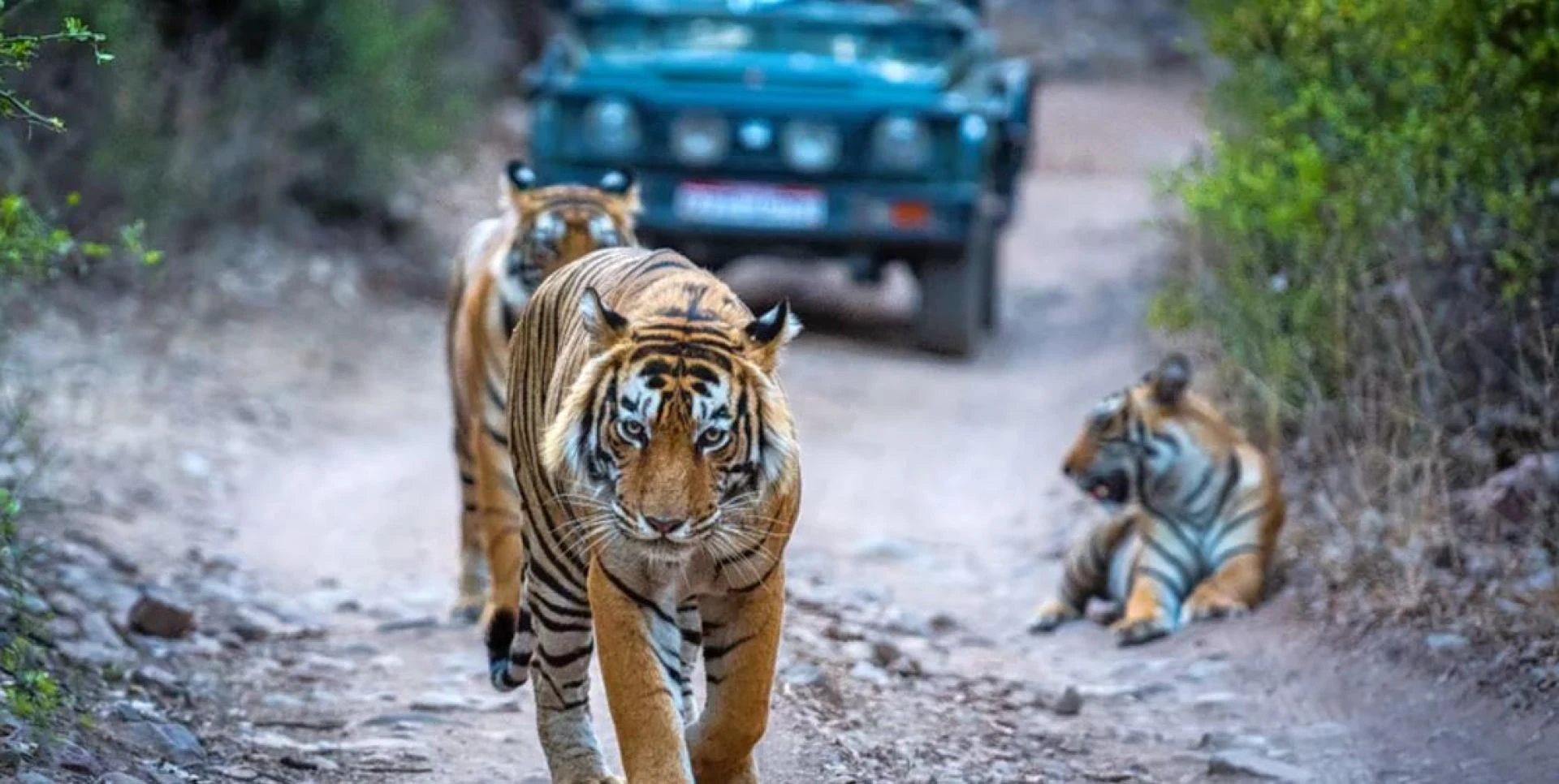
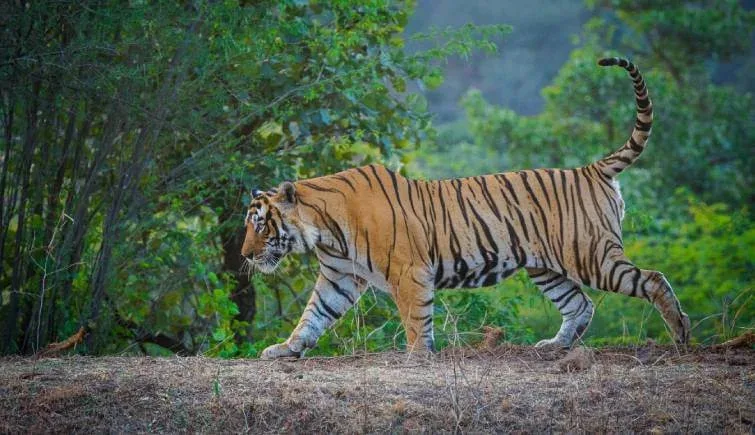
Ranthambore National Park is widely recognized across India for wild Royal Bengal tiger tracking. Spanning diverse terrains of dry deciduous forests, rocky hills, ancient ruins, and natural lakes, the park features ten distinct tourist tracks. A common dilemma travelers face is determining which sector provides the highest probability of spotting big cats in their natural habitat. While wildlife movements remain unpredictable, field observations and sighting logs indicate clear differences across regions.
Core Zones vs Buffer Zones Overview
The reserve divides into core zones from 1 to 5 and buffer zones from 6 to 10. Core regions encompass long-established historical habitats containing natural water reservoirs such as Padam Talao, Rajbagh Lake, and Malik Talao. Buffer belts feature open ridges, scrub woodlands, and riverbeds. Both sectors house breeding tigers, yet the concentration of prey species and dependable waterholes makes core routes consistently favorable for direct sightings.
The Premier Core Zones for Tiger Spotting
Decades of forest records highlight zones 2, 3, 4, and 5 as prime sectors for sighting activity:
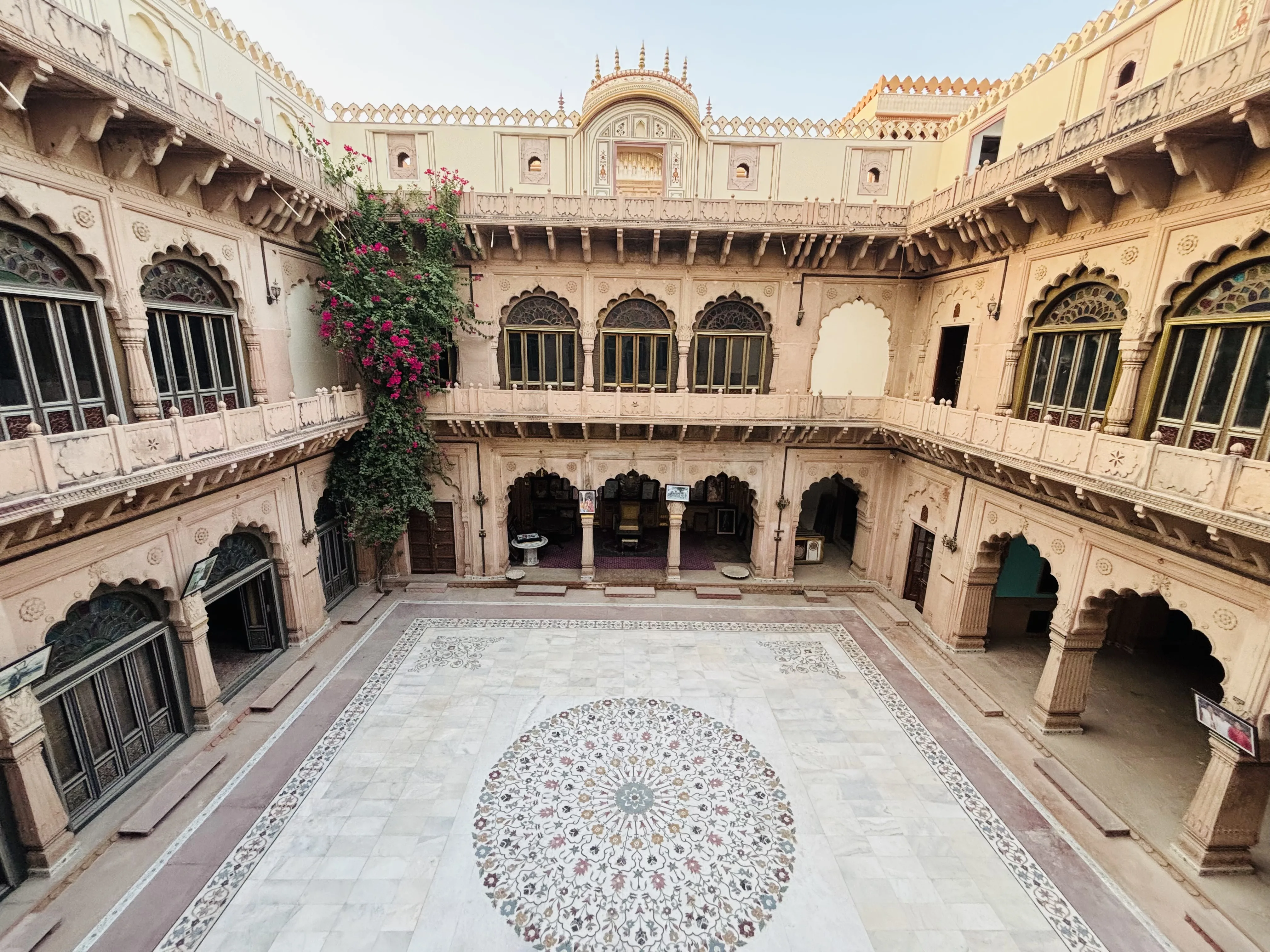
- Zone 3: Famous for Padam Talao, the historic Jogi Mahal, and Rajbagh ruins. Wide visibility around the lake shores makes it an exceptional corridor for morning and evening drives.
- Zone 4: Encompassing Rajbagh Lake and adjoining marshy trails, this route features dense prey congregations and frequent feline patrols.
- Zone 2: A picturesque zone framed by water holes such as Phuta Bandha and Nal Ghati. Carnivores frequently cross these trails, and leopards as well as sloth bears appear regularly.
- Zone 5: Known for Malik Talao and the lush Kachida Valley, this area offers excellent vantage points across watering holes.
- Zone 1: Characterized by steep escarpments and Singh Dwar checkpoints, serving as a prominent territorial boundary where resident tigers mark their trails.
Selecting a well-positioned resort in Ranthambore+ allows travelers to reach these core entry gates promptly for early morning departures.
Sighting Potential Across Buffer Tracks
Zones 6 through 10 have gained substantial traction in recent years. As tiger populations expanded beyond the core, several dominant adults established stable home ranges in outer pockets.
Zone 6, also known as Kundal, shares boundaries with core habitats and presents decent sightings near Kala Pani. Zones 7 and 8 (Chidikho and Balas) feature rocky plateaus that attract leopards alongside tigers. Zone 9 sits on the banks of the Chambal river corridor, while Zone 10 features hilly landscapes where territorial males regularly roam. Buffer zones experience lower vehicle density, providing quieter tracks and intimate nature encounters.
Strategic Factors That Shape Successful Sightings
A high-probability safari depends on ecological dynamics rather than track numbers alone:
- Seasonality: During dry summer months from March to June, dwindling forest water forces animals toward permanent waterholes, raising daytime visibility significantly. Winter safaris from October to February provide pleasant weather and peak tiger movement in sunny clearings.
- Timing of Drive: Big cats are crepuscular predators, displaying highest activity during dawn and dusk. Early departures catch tigers returning from nocturnal hunts.
- Guide and Driver Expertise: Experienced local naturalists track fresh pugmarks, territorial scratches on trees, and deer alarm calls to anticipate predator movement.
Understanding every specific Ranthambore Safari Zone helps visitors align their booking strategy with seasonal movement patterns.
Planning Multiple Drives for Optimum Results
Tigers roam vast home ranges spanning multiple square kilometers. Relying on a single game drive limits your odds. Reserving three to four separate outings across a blend of core and outer zones ensures balanced coverage of Ranthambore's diverse wildlife pockets.