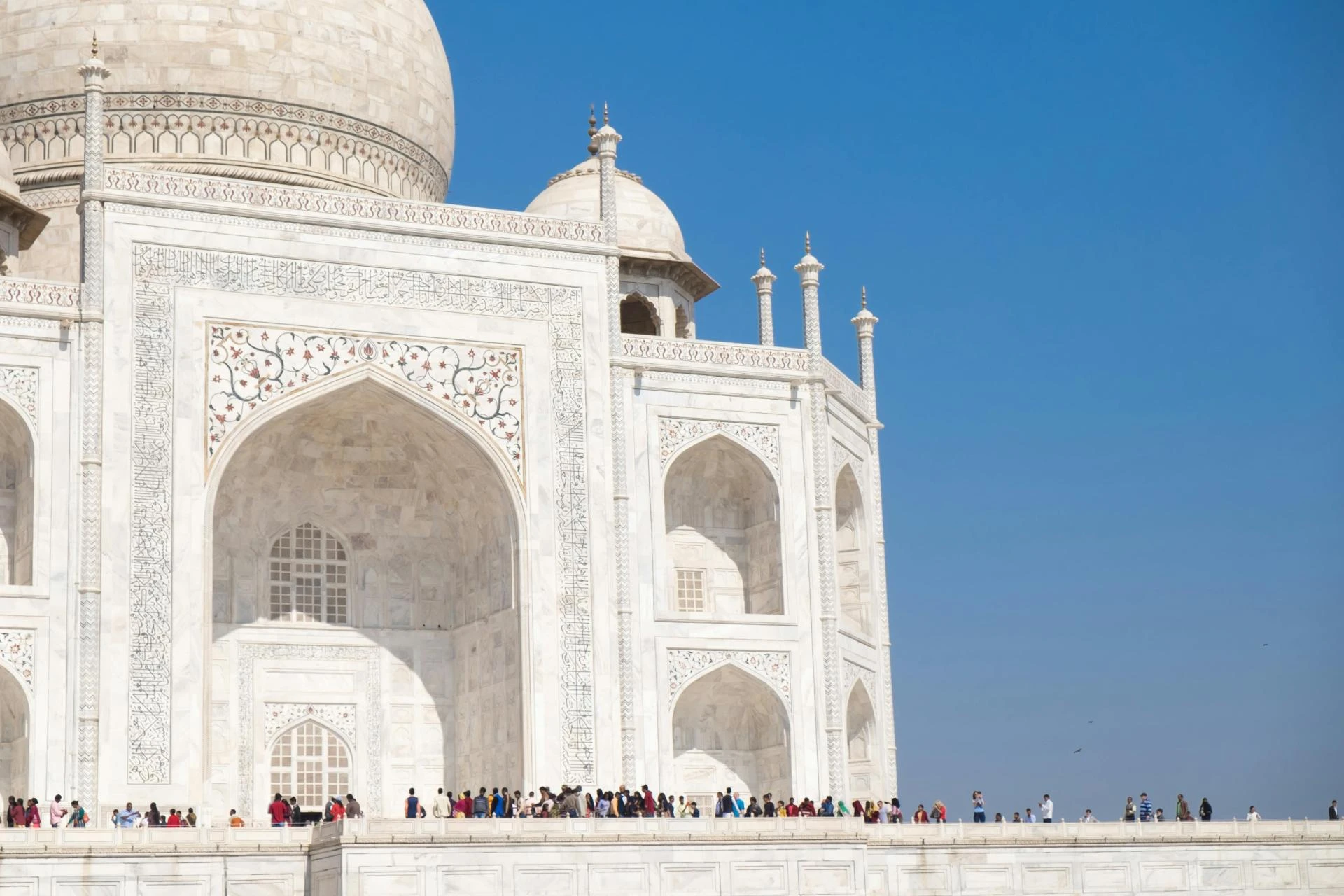
Where is the taj Mahal Planning a trip to one of the world's most famous monuments starts with getting the basics right, and for many American travelers who are new to India, understanding where is the Taj Mahal, how to reach it, and how to structure a visit around it is the most practical starting point for building an India itinerary. This guide provides a clear, practical planning framework that covers the location, travel logistics, nearby attractions, and timing considerations that together determine the quality of the experience you actually have when you get there.
Exactly Where Is Taj Mahal in India
The most direct answer to where is Taj Mahal is that it is located in Agra, a city of approximately 1.6 million people in the state of Uttar Pradesh in northern India. Agra sits on the southern bank of the Yamuna River, approximately 230 kilometers south of New Delhi and roughly in the geographic center of northern India's most historically significant Mughal corridor.
Uttar Pradesh is India's most populous state and one of its most historically rich, containing important heritage sites including Varanasi on the Ganges River, Lucknow with its Nawabi-era architecture, and the Buddhist pilgrimage sites of Sarnath. Within this context, Agra is significant primarily as the site of three UNESCO World Heritage monuments, of which the Taj Mahal is by far the most internationally famous.
The Taj Mahal sits close to the northern edge of Agra along the Yamuna River bank. Its positioning relative to the river is intentional in the original design, with the rear terrace of the complex opening directly onto the river and the mausoleum reflected in both the main garden pool and the river itself under the right conditions.
Best Ways to Get to Where Is Taj Mahal
Getting to where is Taj Mahal from the most common starting points for American travelers involves a combination of international flight arrival in Delhi and onward transport to Agra. Most American travelers arrive in India at Indira Gandhi International Airport in New Delhi and then make their way to Agra by train, road, or occasionally domestic flight.
The Gatimaan Express is the fastest and most convenient train option, covering the Delhi to Agra route in approximately one hour and thirty-five minutes. This train departs from Hazrat Nizamuddin station in Delhi rather than the main New Delhi railway station, which is an important logistical detail to plan for. Tickets should be booked through the IRCTC website at least several days in advance, preferably further ahead during peak season.
The Shatabdi Express is an alternative train with multiple daily services taking approximately two hours. Both train options deposit passengers at Agra Cantonment railway station, from which taxis and auto-rickshaws are available for the short journey to the Taj Mahal entrance.
Driving by hired car from Delhi takes approximately three to four hours on the Yamuna Expressway and is particularly popular for travelers who want to combine the Agra visit with stops at other points of interest along the route.
How Far Is Where Is Taj Mahal From Delhi
Understanding the exact distance between Delhi and where is Taj Mahal helps American travelers plan their itinerary time allocation accurately. The road distance between central Delhi and Agra is approximately 230 to 240 kilometers depending on the specific starting point in Delhi. By the modern Yamuna Expressway, this translates to approximately three hours of driving under normal traffic conditions.
Train travel is significantly faster than road travel for this route. The Gatimaan Express covers the distance in approximately one hour and thirty-five minutes while the Shatabdi takes around two hours. These fast rail times make same-day round trips from Delhi entirely practical, though staying overnight in Agra is strongly recommended for those who want to experience the monument in both morning and late afternoon light conditions.
From Jaipur, the distance to where is Taj Mahal is approximately 240 kilometers by road, taking four to five hours. This makes the classic Golden Triangle circuit of Delhi, Agra, and Jaipur one of the most logical and most popular first-time India itinerary formats.
Best Things Near Where Is Taj Mahal Today
The area around where is Taj Mahal contains several other extraordinary heritage attractions that extend the value of any Agra visit significantly beyond the Taj Mahal itself. The Agra Fort, a UNESCO World Heritage Site located approximately two kilometers from the Taj Mahal, is a massive red sandstone fortification that was the seat of Mughal power for generations. Within its walls are remarkable palaces, audience halls, and mosques that provide crucial historical context for understanding the same Mughal civilization that produced the Taj Mahal.
Fatehpur Sikri, approximately 40 kilometers west of Agra, is a UNESCO World Heritage abandoned Mughal city that was briefly the imperial capital under Emperor Akbar. This extraordinarily well-preserved site provides one of the most complete windows into sixteenth-century Mughal court life and architecture available anywhere.
Mehtab Bagh, a garden complex directly across the Yamuna River from the Taj Mahal, is the best alternative viewing location and is particularly spectacular at sunset when the monument turns golden in the fading light. This less visited site is within easy reaching distance and is worth including in any full-day Agra program.
The Tomb of Itmad-ud-Daulah, sometimes called the Baby Taj, is a beautiful smaller Mughal mausoleum that predates the Taj Mahal and provides important architectural context for understanding the evolution of Mughal tomb design.
Best Season to Visit Where Is Taj Mahal
The best season to visit where is Taj Mahal is India's cool dry season from October through March. During these months, Agra's weather is genuinely pleasant with daytime temperatures ranging from 15 to 28 degrees Celsius, clear skies that show the white marble at its most brilliant, and air quality that is better than during the summer and post-monsoon periods.
October is an excellent early season choice with pleasant temperatures and good conditions before the peak tourist crowds build through November and December. November through February is the core peak season when conditions are most consistently excellent and international visitor numbers are at their highest.
December and January can bring genuine cold to early morning Agra visits, with pre-dawn temperatures sometimes falling below 10 degrees Celsius. Bringing a layer for early morning visits during this period is practical preparation. January mornings also sometimes bring atmospheric ground fog along the Yamuna River that creates beautiful diffuse light conditions.
March marks the beginning of the warming trend that accelerates into the genuinely harsh summer heat of April through June, making it a reasonable visiting month with good conditions and thinning crowds as the peak season ends.
Common Mistakes Around Where Is Taj Mahal
Not spending enough time in Agra is the most common itinerary mistake made by American travelers visiting where is Taj Mahal. Day-trippers from Delhi who budget only a half-day for Agra consistently end up rushing through the Taj Mahal without time for the Agra Fort or any other nearby sites. A full day in Agra allows for a morning Taj Mahal visit, a midday visit to the Agra Fort, and potentially an evening visit to Mehtab Bagh for sunset views.
Booking accommodation outside Agra to save money while planning an early morning visit is a logistical mistake that makes the sunrise experience impractical. Staying inside Agra, ideally within walking distance or a short drive from the South Gate entrance, is strongly recommended.
Not researching the Friday closure is a repeated mistake that surprises visitors who arrive on Friday and find the monument closed to general visitors. Planning the visit for any other day of the week avoids this entirely avoidable disruption.
Best Tips for Visiting Where Is Taj Mahal
The most impactful single tip for visiting where is Taj Mahal is prioritizing the early morning experience by arriving at or before the gate opening time. The combination of low angle light on white marble, thinner crowds, and the peaceful atmosphere of the monument before the day-trip crowds arrive from Delhi produces a dramatically superior experience compared to mid-morning visits.
Book train tickets well in advance if using the Gatimaan or Shatabdi Express from Delhi. During peak season between November and February, seats on these trains fill weeks ahead of travel dates and last-minute availability cannot be relied upon.
Carry only what you genuinely need into the complex, as large bags must be left at the cloak room near the entrance and the security check process takes longer with significant carry items.
Plan for shoe removal or provided shoe covers at the main mausoleum. Wearing slip-on shoes rather than lace-up boots makes this process significantly more convenient. https://www.travelosei.com/hello-india/where-is-the-taj-mahal
FAQs
Should I do the Taj Mahal as a day trip or stay overnight in Agra?
Staying overnight in Agra is strongly recommended for travelers who want to experience the monument at both sunrise and in the golden late afternoon light from Mehtab Bagh. Day trips are possible but limit you to a single visit window and leave no time for the Agra Fort or Fatehpur Sikri.
What documents do I need to enter the Taj Mahal?
Foreign visitors need a valid passport or government-issued photo identification for entry. The entry ticket can be purchased at the gate or booked online through the Archaeological Survey of India website.
Are there restaurants inside the Taj Mahal complex?
Food and beverages are not permitted inside the complex. There are numerous restaurants and cafes in the streets surrounding the monument, and most hotels near the complex serve good food. Plan to eat before entering or after your visit.
What is the best entrance gate to use?
The South Gate and West Gate are the two main entry points for visitors. The South Gate is generally recommended as the primary entrance with the most direct approach to the main garden axis.
How much does the Agra Fort cost to visit separately?
The Agra Fort entry fee for foreign visitors is approximately 650 Indian Rupees. A combined ticket covering the Taj Mahal and Agra Fort on the same day provides some cost saving compared to purchasing separate tickets.