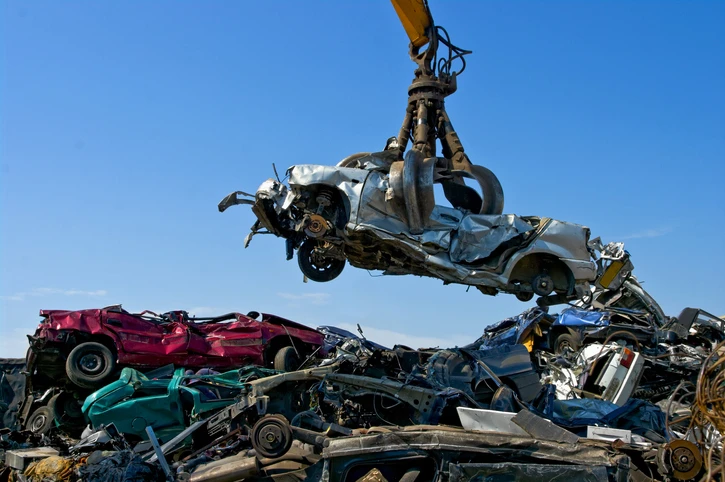
Car recycling in Australia is more than just crushing metal—it is a carefully managed process that ensures valuable materials are recovered and reused. Every part of a vehicle, from the tyres to the battery, has a specific destination. Understanding where each car part goes after recycling helps car owners appreciate the environmental and financial benefits of disposing of vehicles responsibly.
1. Steel and aluminium components
Steel and aluminium make up about 65–70% of an average vehicle. During recycling, these metals are separated, melted, and repurposed for construction, manufacturing, and new car production. In Australia, scrap steel contributes significantly to the circular economy, reducing reliance on imported raw materials. For example, recycled steel from old vehicles is often used in building infrastructure projects.
2. Car body and panels
The body panels, hoods, and doors of a vehicle are usually stripped for reusable parts before being sent to shredders. Resaleable panels are sold to workshops and individuals repairing damaged cars. Others are compacted into scrap bundles. Companies offering free car removal Sunshine Coast often ensure that usable body parts are resold before the rest is recycled, maximising both sustainability and customer value.
3. Tyres and rubber materials
Tyres do not go into landfills anymore under Australian regulations. Instead, they are repurposed for road surfacing, playground materials, and even sports fields. Shredded tyre rubber is blended into asphalt to make durable, noise-reducing roads. This not only prevents waste but also improves road quality across cities and regional towns.
4. Glass and windows
Car windows and windscreens are made from laminated glass, which undergoes a separation process. Once separated, the glass is melted and repurposed into bottles, jars, or even new windscreens. Although it requires more energy than metal recycling, glass recovery reduces the demand for virgin sand, a resource under environmental pressure.
5. Engines, transmissions, and mechanical parts
Engines and transmissions often have a second life. Wrecking yards test and refurbish working components, reselling them to mechanics and car owners. Salvaged engines are particularly valuable in Australia’s used parts market. Car Wreckers Brisbane are known for supplying affordable, tested mechanical parts that extend the life of other vehicles while keeping costs down for buyers.
6. Plastics and interior materials
Car interiors contain plastics, fabrics, and foams that are separated during dismantling. Some plastics are recyclable into new automotive products or household goods. In many cases, shredded plastics are processed into pellets for use in manufacturing, creating a closed-loop system for vehicle materials.
7. Batteries and electrical systems
Batteries, especially lead-acid and hybrid models, are carefully removed to prevent hazardous waste. Lead and plastic from batteries are recycled, while newer lithium-ion batteries undergo advanced recycling methods to recover valuable minerals like cobalt and nickel. In Australia, battery recycling plays a vital role in reducing electronic waste.
8. Fluids and oils
Recycling centres drain vehicles of all fluids, including engine oil, brake fluid, and coolant. These liquids are filtered and refined for reuse where possible. For instance, recycled motor oil is reprocessed into industrial lubricants, while coolant can be treated for reuse in other vehicles. This step prevents environmental contamination and supports resource recovery.
9. Electronic components and wiring
Modern vehicles contain numerous electronic modules, from navigation systems to sensors. Wreckers salvage functional electronics for resale, while wiring harnesses are stripped for copper recovery. Copper is in high demand in Australia, particularly in construction and renewable energy projects, making this part of recycling financially significant.
10. Final scrap and residues
After all recoverable parts are stripped, the remaining car shell is sent for shredding. Residual materials, known as automotive shredder residue (ASR), include mixed plastics and fibres. While not always recyclable, advanced facilities process ASR into fuel alternatives or materials for construction, ensuring minimal waste goes to landfill.
Why many Australians turn to A1 Wreckers
When it comes to car recycling, A1 Wreckers has built a strong reputation for handling vehicles responsibly and efficiently. Their team manages the full dismantling process, ensuring every reusable part is recovered and every recyclable material is processed correctly. For car owners, this means peace of mind, quick payments, and a sustainable solution that benefits both the environment and the community.
Conclusion
Every car part has a destination after recycling, from steel turned into infrastructure to tyres used for playgrounds. Recycling ensures nothing goes to waste and gives vehicles a meaningful second life. By choosing trusted services, Australian car owners contribute to sustainability while also receiving fair value for their old cars.
Discover more insights by visiting our blog section.