The elevator industry does not move as fast as consumer technology. The cable and counterweight principle that drives most traction lifts today is not fundamentally different from what was running a hundred years ago. What has changed, and keeps changing, is everything around that core. Controls, diagnostics, energy systems, materials, and the range of elevators types that are now practical in buildings where earlier technology had no good answer.
Some of what is being called future technology is already in buildings. Some of it is still being proven. Knowing the difference matters when making decisions about what to specify now.
Machine-Room-Less Is Now the Standard
This is not a future development. It happened. Machine-room-less traction systems moved the drive equipment into the shaft and eliminated the dedicated overhead room that older installations required. For most commercial and residential applications it is now the default choice among elevator companies. The space saving is real, the performance is equivalent, and the installation footprint is smaller.
In Dubai where floor area has value and building designs are varied, the absence of a machine room requirement has changed what is possible in certain configurations. Elevators Dubai installations that would have been complicated under the older standard are now straightforward.
Destination Control Is Changing How Buildings Move People
Traditional lift control: press the up or down button in the lobby, wait, get in whichever car arrives, press your floor. Destination control flips this. You enter your destination floor before the car arrives. The system groups passengers going to the same or nearby floors into the same car and dispatches them together.
The result in a high-traffic building is fewer stops per trip, shorter journey times, and better distribution of demand across the available cars. In a large commercial tower running destination control the difference in average wait time and travel time is measurable. It does not require more elevator and lifts hardware. It requires better software managing the hardware that is already there.
The technology has been available for a while. Adoption in new buildings is mounting and retrofits onto existing systems are becoming more common as building operators look for performance enhancements without a full replacement.
Remote Monitoring and Predictive Maintenance
Connected elevator systems transmit performance data continuously. Door cycle counts, motor temperature, levelling accuracy, fault codes. That data used to be available only when a technician came on site to read the controller. Now it goes to a monitoring platform in real time.
The practical output is predictive maintenance. A component showing early signs of degradation gets flagged before it fails. A technician arrives with the right part during a planned visit rather than as an emergency callout after a breakdown. For building operators this reduces downtime. For elevator companies it changes the economics of service delivery.
This is already in use across modern installations. Buildings that are still running older unconnected systems are carrying a maintenance disadvantage that grows as the gap between what is available and what they have widens.
Energy Recovery Systems
A descending elevator with a counterweight generates energy. Older systems dissipated that energy as heat. Regenerative drives feed it back into the building's electrical system instead. In a high-rise running multiple cars continuously the energy recovery is not trivial. It reduces the net energy consumption of the elevator and lifts system across the building's operating life.
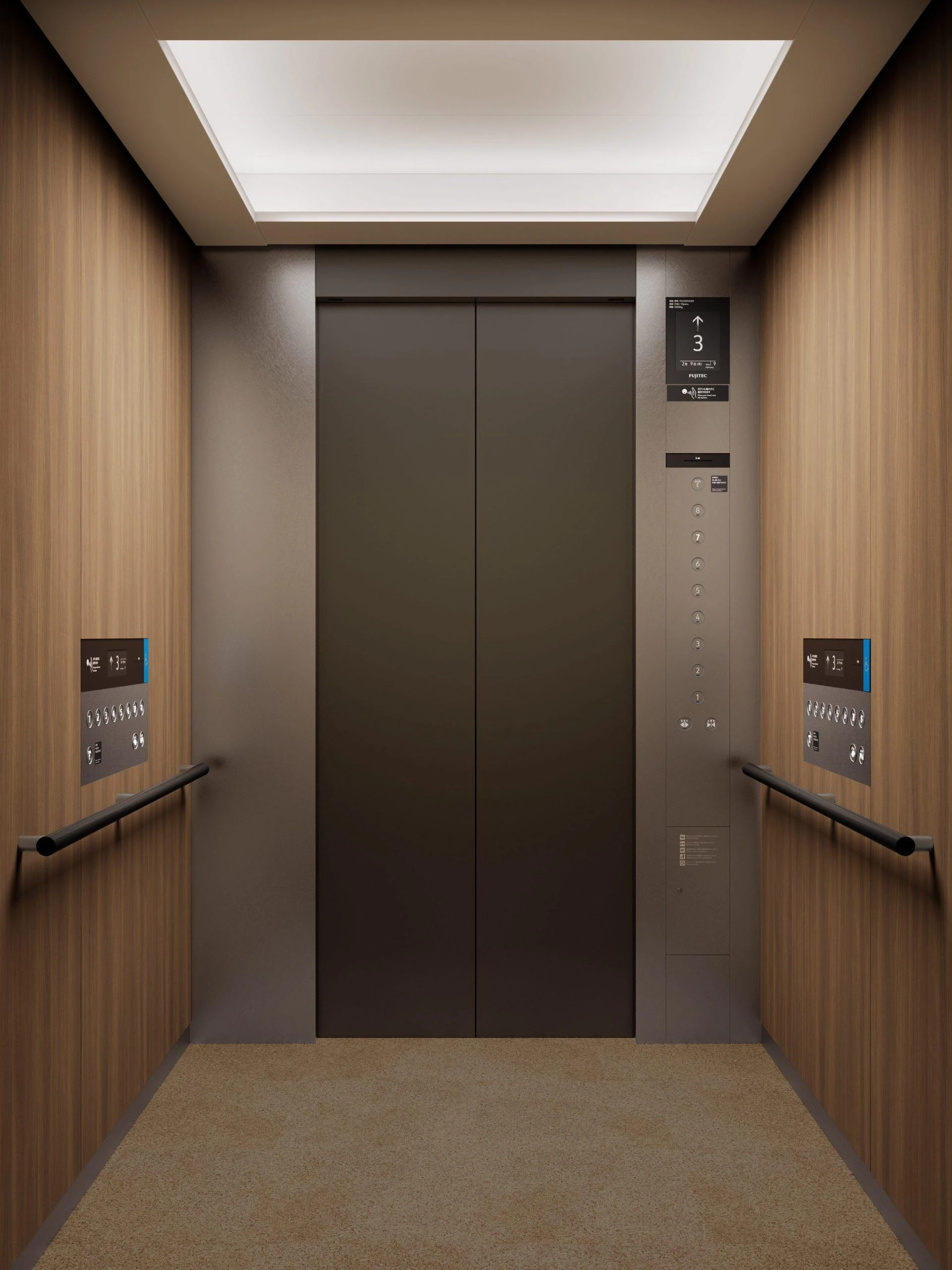
LED lighting in the cab, standby modes that reduce power draw between calls, and more efficient motor technology have added to the overall energy reduction. For buildings targeting green certifications the elevator system is a meaningful contributor to the energy profile rather than just a load to be managed.
What Is Changing for Residential and Home Elevators
The elevator for home market has been changed more by product range expansion than by any single technology shift. Pneumatic vacuum systems, compact hydraulic units, and low-pit traction designs have made installation viable in property types where it was previously impractical.
The conveying system for a home lift is simpler than a commercial installation but the expectations around reliability, noise, and aesthetics are high. Homeowners are not willing to accept the industrial look or the operational profile of a commercial system in a living space. The better home elevator products have addressed this and the gap between what is available for residential use and what was available ten years ago is significant.
What is still developing is the integration of home elevators with building management systems and smart home platforms. Remote monitoring, fault alerts, and access control connected to the broader home automation ecosystem. Some products already offer this. It will become standard.