
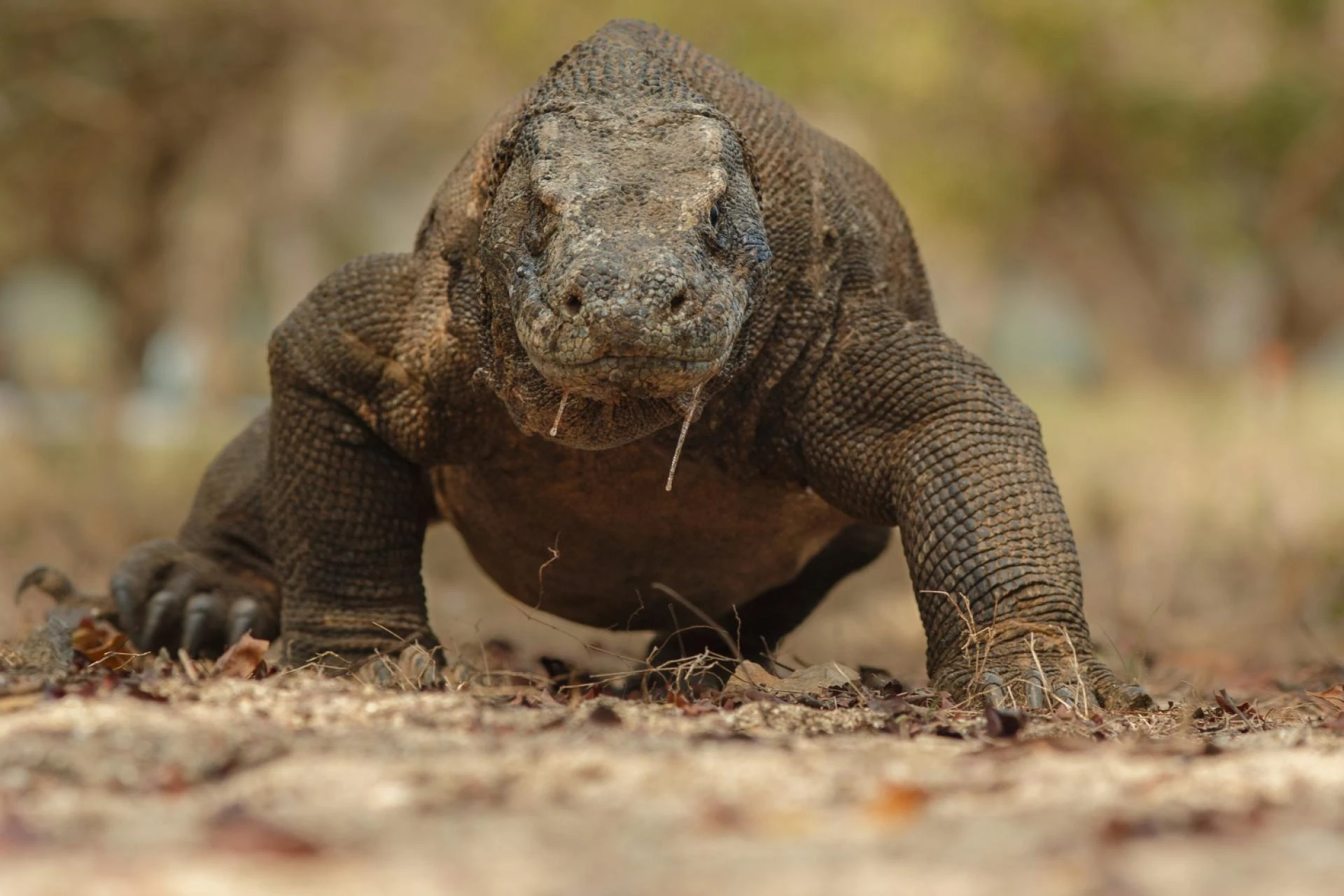
Komodo dragons are undeniably the most intriguing reptiles on Earth, without a doubt. Their huge mass, their strong limbs, and their astonishing predatory skills are all among the features that characterize them as well as the fact that they are now living in Southeast Asia's most inhospitable regions to mammals. It is only through a better understanding of their living environment that one gets a clearer picture of the whole situation regarding these natural predators and the necessity of their guardianship in the future.
The komodo dragons inhabit a highly restricted region in Indonesia composed of Komodo, Rinca, Flores, Gili Motang, and some additional nearby islands. The ecosystem of a volcanic island is very suitable for the dragon -dry savanna, open grassland, rocky hills, and coastal forests all entwined. Researchers studying their natural habitat always arrive at the question of where do the dragon live; the answer is still vivid: they thrive in hidden ecosystems characterized by high temperatures, strong sunlight, and little vegetation.
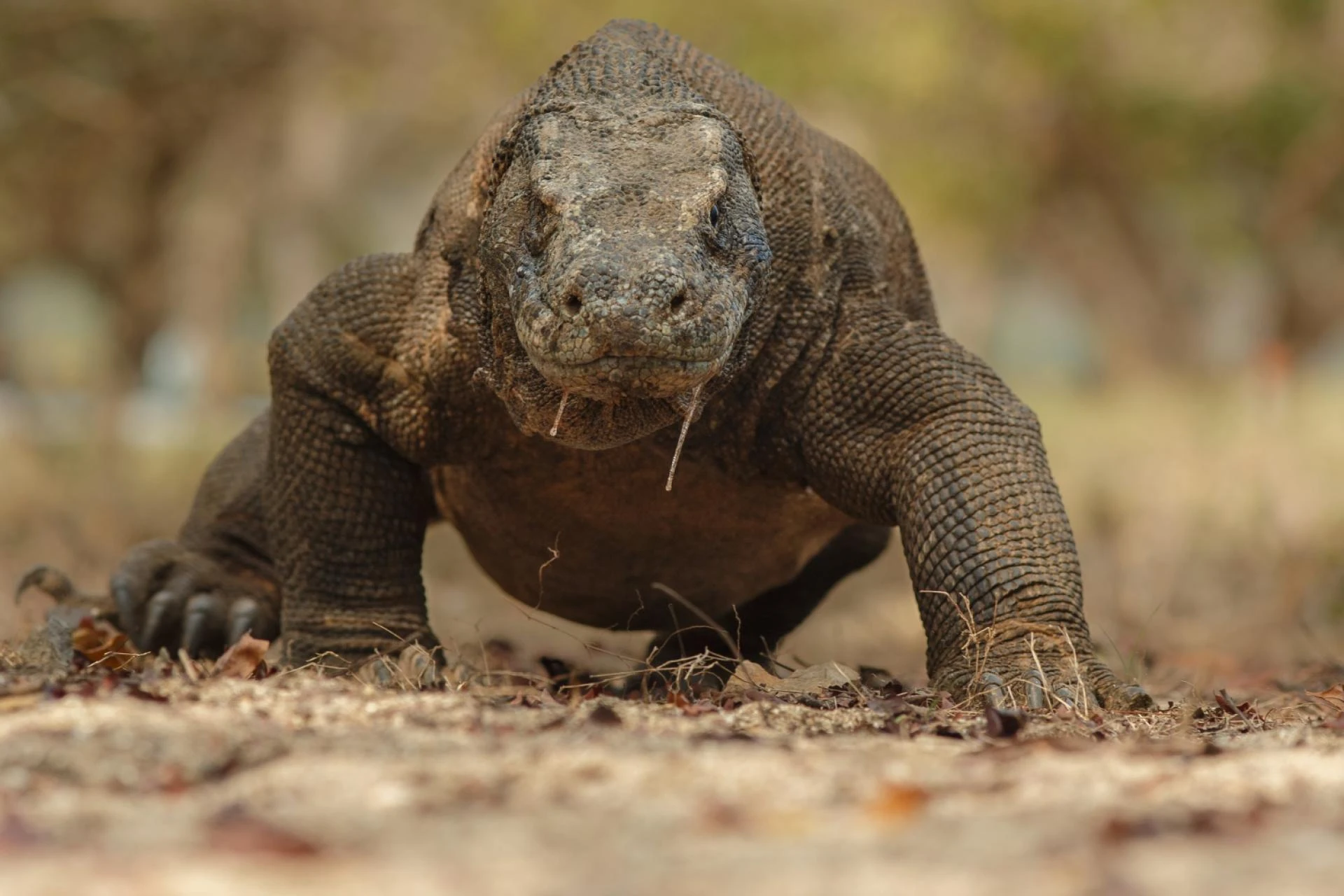
The weather on these islands determines to a great extent the animals' behavior patterns. Komodo dragons love hot and dry conditions so that they spend a large part of the day either lying in the sun or hiding in burrows which are shaded for the purpose of controlling their body temperature. They are highly skilled at climbing trees and also swimming, thus they manage to traverse the landscape with surprisingly swift and smooth movements even though they are large.
The amount of food also helps to determine the habitat that the reptiles will choose. Their diet consists of deer, wild boar, water buffalo, smaller reptiles, dead animals, and even smaller dragons. The fact that the komodo dragon is a creature with limited food consumption capability is precisely what turns these isolated islands into an ideal spot for their population to thrive.
Habitat protection comes at the top of the list of priorities. The activities carried out by humans, the decrease in prey numbers, and the changes in climate all put a threat to the remaining populations in the wild. The conservation efforts that have been in place are what have made it possible for the generations to come to see the amazing reptiles in their natural habitat.