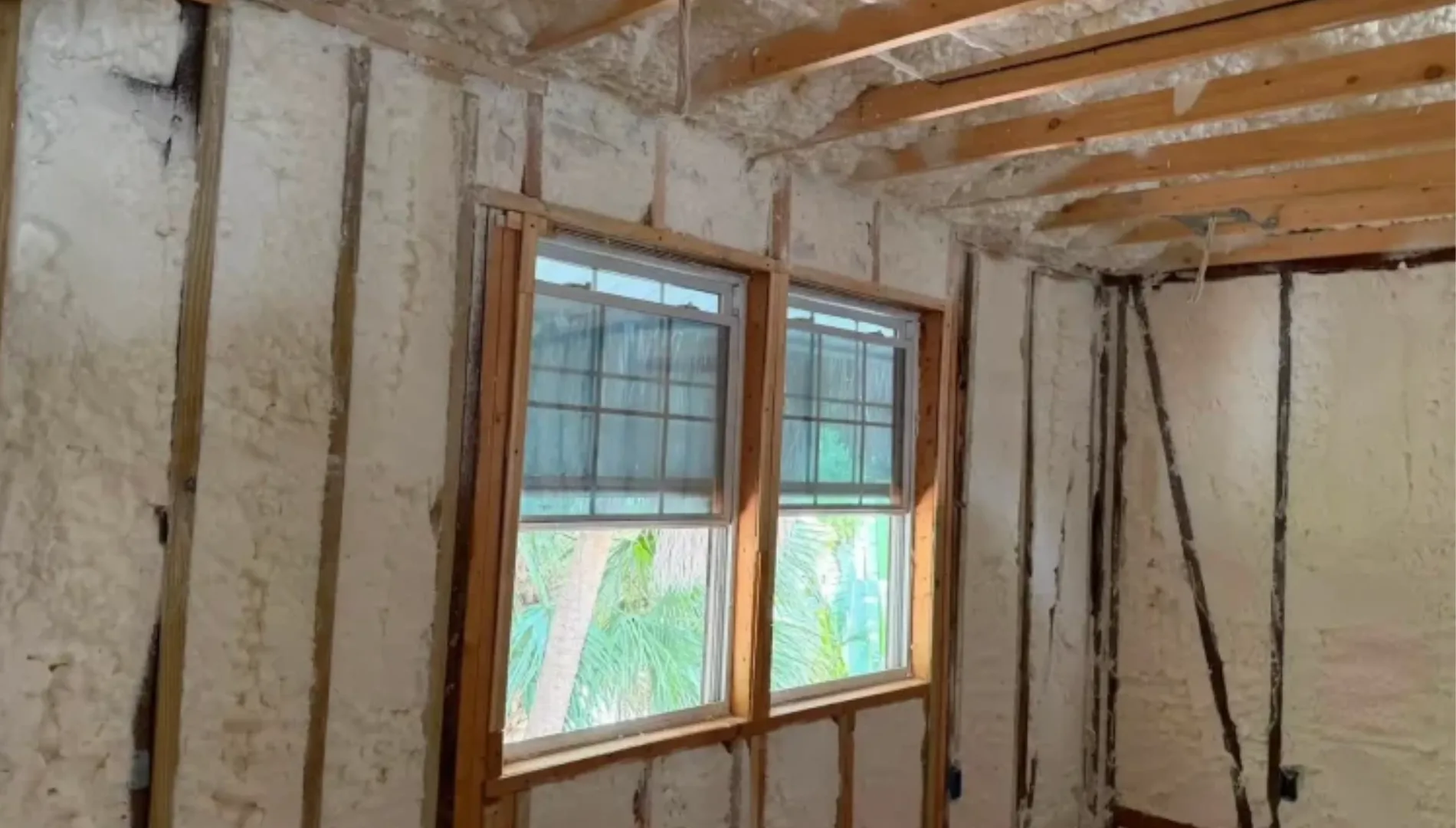
You can find professional closed-cell spray foam installers in Lehigh Acres, FL, by researching insulation contractors, checking their training and insurance, reviewing past work, and requesting a detailed estimate. The right installer will assess your property's insulation needs, explain the expected R-value, and follow proper safety procedures during application.
Spray Foam Contractors LLC provides insulation services for residential and commercial properties. Before hiring an installer, homeowners should understand how closed-cell foam performs in Florida's hot, humid climate, how it compares with other insulation materials, and what to expect during installation.
Why Hire Professional Closed-Cell Spray Foam Installers?
Closed-cell spray foam is a dense insulation material that expands and hardens after application. It helps slow heat transfer and seals many air gaps, making it useful for suitable attics, walls, roof assemblies, and other building areas. Professional installation matters because the foam must be applied at the correct thickness and under suitable conditions. Poor application can lead to uneven coverage, curing problems, or gaps that reduce performance.
The U.S. Environmental Protection Agency's spray foam safety guidance explains why trained application, protective equipment, ventilation, and appropriate re-entry procedures matter.
Benefits of Closed-Cell Spray Foam Insulation
Homeowners in Lehigh Acres may consider this insulation when improving comfort, sealing air leaks, or upgrading an existing building.
- Strong thermal performance: Closed-cell foam provides a high R-value per inch, helping limit heat transfer through insulated surfaces.
- Air sealing: When properly installed, the foam can reduce air leakage through gaps and cracks in the building envelope.
- Moisture resistance: Its closed-cell structure resists water absorption compared with many traditional insulation materials. However, it does not eliminate the need to repair leaks or manage moisture.
- Structural contribution: Properly installed closed-cell foam can add stiffness to certain building assemblies, depending on the product and application.
- Space-efficient insulation: Its high thermal resistance per inch can be useful where wall or roof cavities have limited depth.
How to Compare Closed-Cell Insulation Options
Not every building needs the same insulation material. The best choice depends on the available space, moisture conditions, budget, and the part of the building being insulated.
Insulation TypeMain AdvantagesConsiderationsClosed-cell spray foamHigh R-value per inch and effective air sealingHigher upfront cost and careful installation requirementsOpen-cell spray foamLower density and useful air-sealing performanceLower R-value per inch and different moisture behaviorFiberglass insulationCommon, widely available, and often less expensiveDoes not stop air leaks by itselfBlown-in celluloseUseful for covering attic floors and irregular spacesMust be protected from moisture and installed at suitable depthA professional insulation company should explain why a particular material suits your project rather than recommending the same product for every building.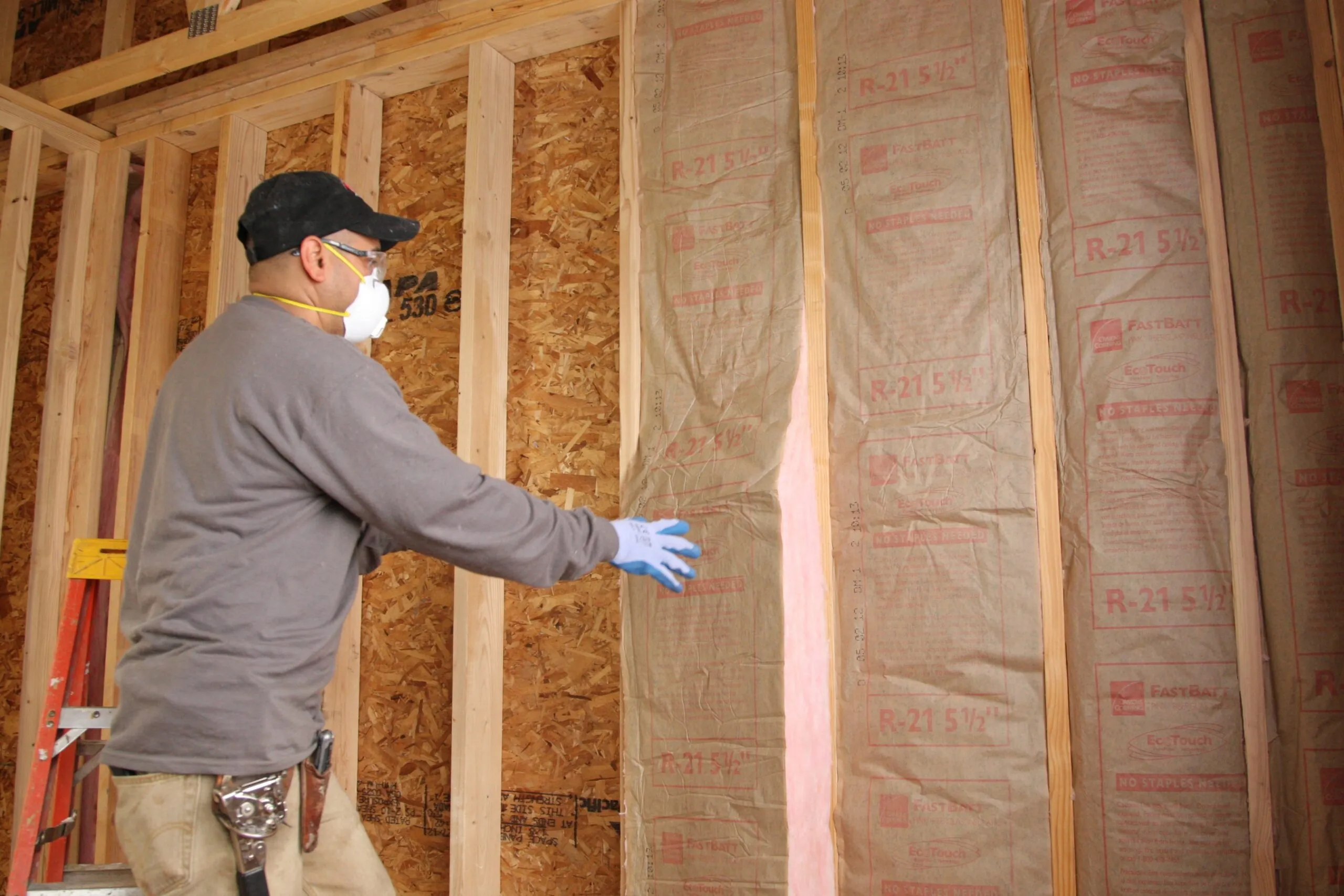
Pros and Cons of Closed-Cell Spray Foam
Closed-cell insulation offers several practical advantages, but homeowners should understand its limitations before committing to a project.
Pros
- High thermal resistance per inch can help insulate areas with limited cavity depth.
- The foam can create an effective air barrier when installed continuously and correctly.
- Its moisture-resistant structure can suit certain building assemblies when the complete design manages water and vapor properly.
Cons
- The initial installation cost is often higher than that of fiberglass or cellulose.
- Application requires specialized equipment, trained installers, and appropriate protective measures.
- Incorrect installation can cause curing defects, poor adhesion, or other problems that may require costly repairs.
Common Insulation Problems in Lehigh Acres Homes
Southwest Florida's heat, humidity, and heavy seasonal rain make proper insulation planning especially important. Closed-cell foam can help address some building-envelope problems, but it should not be used to cover up existing damage.
- Hot attics and uncomfortable rooms: Insufficient insulation and air leakage can allow outdoor heat to affect indoor comfort. An installer can assess the roof assembly, insulation levels, and air leaks before recommending improvements.
- High cooling costs: Gaps around ceiling penetrations or poorly insulated walls may increase the cooling load. Air sealing and insulation can help, although savings depend on the whole building and HVAC system.
- Roof or wall moisture: Water intrusion can damage building materials and affect indoor conditions. Repair the source of moisture and assess any damaged materials before installing new insulation.
- Uneven or deteriorating insulation: Older materials may have gaps, compression, or areas that no longer perform as intended. A professional inspection can determine whether replacement, additional insulation, or air sealing is appropriate.
The EPA's spray foam safety recommendations also explain why contractors must isolate work areas, use suitable protective equipment, and follow product-specific ventilation and re-entry guidance.
How Florida Weather Affects Spray Foam Installation
Closed-cell foam must be installed under conditions that meet the product manufacturer's requirements. Air temperature, surface temperature, humidity, and the condition of the substrate can affect application and curing. In Lehigh Acres, rain and high humidity can make it especially important to check that surfaces are dry and free from moisture problems before work begins. Summer heat may also affect working conditions and equipment handling.
There is no single season that is always best for every project. Ask the installer how the forecast and site conditions will affect the scheduled work, and confirm how the crew will protect the application area.
Understanding Closed-Cell Spray Foam R-Value
R-value measures how well an insulation material resists heat flow. A higher R-value generally means greater resistance to heat transfer at the stated thickness. Closed-cell spray foam commonly provides about R-6 to R-7 per inch, although the exact rating depends on the product. For example, a product rated at R-6.5 per inch would provide a nominal R-value of approximately R-13 at two inches, subject to its technical specifications.
Your installer should calculate the required insulation level based on the building assembly, local code requirements, and project goals. Proper installation is just as important as the stated R-value.
Why Consider Spray Foam Contractors LLC?
Spray Foam Contractors LLC handles residential and commercial insulation projects, ranging from smaller structures to large homes and commercial properties. The company has operated since 2016 and works on projects throughout the year, except Christmas.
When discussing a project, ask about the proposed foam product, application thickness, preparation requirements, ventilation plan, and written estimate. Confirm the contractor's insurance, relevant training, references, and any licensing requirements that apply to the work.
Get a Closed-Cell Spray Foam Estimate
Choosing qualified closed-cell spray foam installers can help you improve insulation performance while avoiding common application and moisture problems. A careful assessment, suitable materials, and safe installation practices are essential to a successful project.
Contact Spray Foam Contractors LLC to discuss your insulation needs and request an estimate.
- Phone: (239) 688-4979
- Email: [email protected]
Frequently Asked Questions
How Much Does Closed-Cell Spray Foam Insulation Cost in Lehigh Acres, FL?
The price depends on the area being insulated, required thickness, access, preparation, and the product used. Request a written estimate based on an inspection rather than relying on a general price per square foot.
Is Closed-Cell Spray Foam Good for Florida Homes?
It can be suitable for many Florida homes because it offers high thermal resistance per inch and helps control air leakage. The installer must still account for moisture management, ventilation, roof design, and applicable building codes.
How Long Does Spray Foam Installation Take?
The schedule depends on the size of the area, preparation needs, application thickness, and curing requirements. Ask the contractor for a project-specific timeline and follow the manufacturer's instructions for safe re-entry.
Is Closed-Cell Spray Foam Better Than Fiberglass?
Closed-cell foam generally offers higher R-value per inch and can provide air sealing. Fiberglass often costs less upfront. The better option depends on the building design, budget, and performance goals.
How Can I Check Whether a Spray Foam Installer Is Qualified?
Ask about relevant training, insurance, previous projects, product specifications, and installation procedures. A qualified installer should explain the work scope, safety precautions, ventilation plan, and expected re-entry time clearly.
Author and Reviewer
Author: Justin Malek, Sales Manager at Spray Foam Contractors LLC
Justin Malek has worked in the insulation industry in West Florida since 1996. He has completed projects with several companies, trained crew members, and previously owned his own business. The company biography also credits Tony with decades of experience training crews and repairing equipment throughout the United States. Together, Justin and Tony have more than 40 years of industry experience.
Reviewer: Zoe Carter
Zoe Carter has over 12 years of experience in residential plumbing services. She reviews content for practical accuracy and alignment with current plumbing standards.