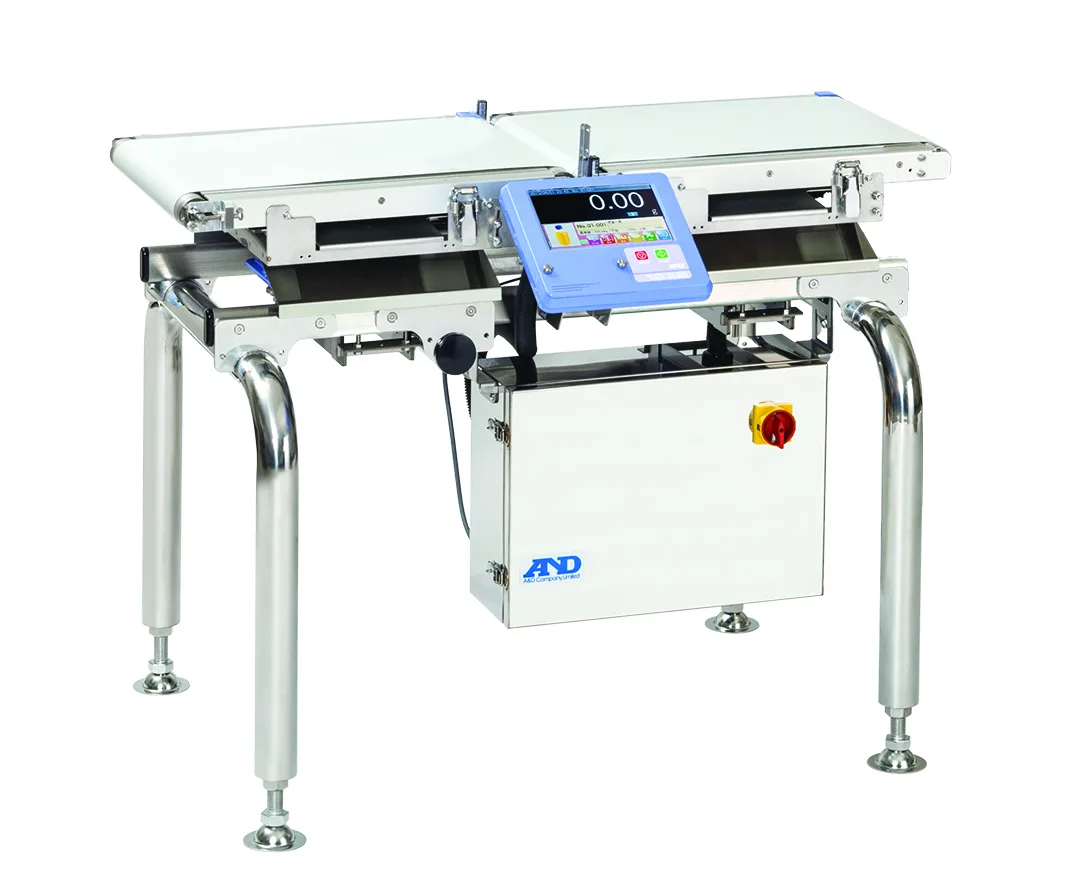
In industries where product accuracy and compliance are essential, a checkweigher plays a critical role in maintaining quality control. From food production and pharmaceuticals to logistics and manufacturing, businesses rely on checkweighers to ensure products meet precise weight specifications. However, after repairs, maintenance, or system upgrades, recalibration becomes necessary to maintain reliable performance.
Failing to recalibrate a checkweigher after changes to the system can result in inaccurate readings, product giveaway, compliance issues, and costly production errors. Understanding when and why recalibration is required helps businesses protect operational efficiency and maintain product consistency.
What Is Checkweigher Recalibration?
Checkweigher recalibration is the process of adjusting and verifying the weighing system to ensure it measures product weight accurately after changes or disruptions. During recalibration, certified test weights are used to confirm that the machine meets the required accuracy standards.
Recalibration ensures that:
- Product weights remain consistent
- Compliance standards are maintained
- Reject systems function correctly
- Production waste is reduced
- Customer satisfaction is protected
Any repair or upgrade can affect the balance, sensors, software, or mechanical components of the system. Even small changes can alter measurement accuracy, making recalibration essential before resuming full production.
Why Recalibration Matters After Repairs or Upgrades
A checkweigher operates using highly sensitive load cells and precision electronics. When components are replaced or adjusted, the system may no longer read weights accurately.
Without recalibration, businesses may face:
Product Overfilling or Underfilling
Incorrect weight readings can lead to excessive product giveaway or underweight packages that violate regulations.
Compliance Risks
Industries such as food, pharmaceuticals, and chemicals must comply with strict legal metrology and quality standards. Inaccurate weighing equipment may result in failed audits or penalties.
Increased Product Waste
Small inaccuracies across high-volume production lines can create significant material waste over time.
Reduced Production Efficiency
An improperly calibrated checkweigher may reject acceptable products or allow defective products through the line.
Damage to Brand Reputation
Consistent product quality is essential for customer trust. Incorrect product weights can lead to complaints, recalls, or reputational damage.
When Should You Recalibrate Your Checkweigher?
Not every maintenance task requires a complete recalibration, but several situations make recalibration absolutely necessary.
After Replacing Load Cells
Load cells are the heart of a checkweigher system. They detect weight changes and convert them into electronic signals. If a load cell is replaced, recalibration is mandatory because the new component may respond differently from the previous one.
Signs you need recalibration after load cell replacement include:
- Inconsistent weight readings
- Product rejection errors
- Drifting measurements
- Uneven weight detection
Even if the replacement load cell matches the original specifications, calibration ensures the system responds accurately under operating conditions.
After Software or Firmware Updates
Modern checkweighers rely heavily on software for processing weight data, reject control, reporting, and communication with other systems.
Software or firmware updates can affect:
- Weight processing algorithms
- Conveyor timing
- Product profiles
- Sensitivity settings
- Reject thresholds
After any software modification, recalibration verifies that the system still produces accurate measurements and operates correctly within production requirements.
After Conveyor Repairs or Modifications
The conveyor system directly impacts weighing stability and accuracy. Repairs involving belts, motors, rollers, or conveyor alignment may influence product movement across the weighing platform.
Recalibration is recommended after:
- Belt replacement
- Motor servicing
- Conveyor speed adjustments
- Mechanical alignment changes
- Structural modifications
Even slight changes in conveyor speed or vibration can affect weight readings.
After Relocating the Checkweigher
Moving a checkweigher to another area of the facility or a different production site can impact performance due to:
- Floor vibration differences
- Uneven surfaces
- Environmental conditions
- Electrical supply variations
Once relocated, the machine should be recalibrated to ensure stable operation in the new environment.
After Major Mechanical Repairs
Repairs involving major components may alter the machine’s weighing performance. Recalibration is necessary after replacing or repairing:
- Frames
- Bearings
- Mounting systems
- Weighing platforms
- Pneumatic reject devices
Mechanical stress or alignment changes can influence load distribution and measurement accuracy.
After Electrical Component Replacement
Replacing electronic parts such as amplifiers, control boards, wiring, or power supplies may affect signal processing and weighing stability.
Electrical recalibration helps confirm:
- Accurate signal transmission
- Stable readings
- Proper communication between components
- Reliable reject system performance
After Failed Accuracy Tests
If routine verification tests show inconsistent or incorrect readings, recalibration should be performed immediately.
Common warning signs include:
- Unexpected product rejects
- Weight fluctuations
- Inconsistent batch weights
- Failed quality inspections
- Increased giveaway rates
Ignoring these signs can lead to larger operational and compliance problems.
How Often Should Checkweighers Be Calibrated?
Even without repairs or upgrades, regular calibration is essential for maintaining accuracy. The recommended frequency depends on:
- Industry regulations
- Production volume
- Environmental conditions
- Product sensitivity
- Manufacturer recommendations
Many businesses perform:
- Daily verification checks
- Monthly internal calibration checks
- Annual professional calibration services
High-speed or high-precision production lines may require more frequent calibration schedules.
Best Practices for Checkweigher Recalibration
To maintain optimal performance, businesses should follow a structured recalibration process.
Use Certified Test Weights
Always use certified calibration weights that comply with industry standards. Inaccurate test weights can produce unreliable calibration results.
Follow Manufacturer Guidelines
Each checkweigher model has unique calibration procedures. Following manufacturer instructions ensures correct setup and testing.
Train Operators Properly
Operators should understand how to identify calibration issues and perform routine verification tests safely.
Document Calibration Activities
Maintain detailed calibration records, including:
- Calibration dates
- Test results
- Repairs performed
- Technician information
- Corrective actions taken
Proper documentation supports compliance audits and quality assurance programs.
Schedule Preventive Maintenance
Preventive maintenance reduces unexpected breakdowns and helps maintain calibration stability over time.
Monitor Environmental Conditions
Temperature fluctuations, vibration, humidity, and dust can affect weighing accuracy. Keeping the operating environment stable improves long-term performance.
Benefits of Regular Recalibration
Consistent recalibration after repairs or upgrades offers several operational benefits.
Improved Product Accuracy
Accurate weighing helps maintain product consistency and customer satisfaction.
Reduced Product Giveaway
Proper calibration minimises unnecessary overfilling and lowers material costs.
Better Regulatory Compliance
Regular calibration supports compliance with industry standards and legal requirements.
Increased Equipment Lifespan
Well-maintained systems experience less strain and reduced component wear.
Enhanced Production Efficiency
Reliable checkweighers reduce downtime, false rejects, and production disruptions.
Common Mistakes to Avoid
Businesses sometimes overlook critical calibration practices that can compromise performance.
Avoid these common mistakes:
- Skipping recalibration after small repairs
- Using uncertified test weights
- Ignoring environmental factors
- Delaying maintenance checks
- Failing to document calibration activities
- Assuming software updates do not affect accuracy
A proactive calibration strategy helps avoid these costly errors.
Final Thoughts
Knowing when to recalibrate your checkweigher after repairs or upgrades is essential for maintaining accuracy, efficiency, and compliance. Whether replacing load cells, updating software, repairing conveyors, or relocating equipment, recalibration ensures the system continues to perform reliably.
For businesses operating in quality-sensitive industries, regular calibration is not just a maintenance task — it is a critical part of operational success. By following proper recalibration procedures and preventive maintenance practices, companies can reduce waste, improve product quality, and extend the life of their checkweigher systems.
Investing in timely recalibration ultimately protects productivity, profitability, and customer trust.