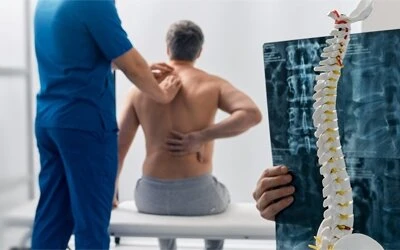
Back pain and neck pain are among the most common health concerns affecting adults today. Many people experience occasional discomfort after long hours of sitting, lifting heavy objects, or sleeping in an awkward position. In many cases, the pain fades within a few days. However, when the discomfort persists or begins interfering with daily life, it may signal an underlying spinal condition.
For individuals dealing with ongoing pain, consulting experienced spine specialists in St. Louis can be an important step toward lasting relief. These specialists focus on diagnosing and treating conditions that affect the spine, including the discs, joints, nerves, and muscles that support movement.
Understanding when to seek help from an orthopedic spine doctor in St. Louis can help prevent minor issues from becoming long-term problems.
Why Spine Health Matters
The spine plays a vital role in supporting the body’s structure and allowing movement. It protects the spinal cord, which carries signals between the brain and the rest of the body. Because the spine is involved in nearly every physical activity from walking and bending to sitting and sleeping it is constantly exposed to stress.
When the structures of the spine become irritated or damaged, pain and mobility problems may develop. In some cases, spinal conditions can also cause nerve compression, leading to symptoms such as numbness, tingling, or weakness in the arms or legs.
Seeking professional care early allows spine specialists to identify the root cause of these symptoms and recommend the most effective treatment plan.
Common Conditions Treated by Spine Specialists
Experienced spine specialists in St. Louis treat a wide range of conditions affecting the cervical, thoracic, and lumbar spine.
Herniated Disc
A herniated disc occurs when the soft inner portion of a spinal disc pushes through the outer layer. This can place pressure on nearby nerves, causing pain that may radiate to the arms or legs.
Bulging Disc
A bulging disc extends beyond its normal boundary and may irritate surrounding nerves. This condition can lead to chronic back or neck discomfort.
Sciatica
Sciatica occurs when the sciatic nerve becomes compressed, often causing sharp pain that travels from the lower back down the leg.
Spinal Stenosis
Spinal stenosis refers to narrowing of the spinal canal, which can put pressure on the spinal cord or nerves. Symptoms may include pain, numbness, or difficulty walking.
Degenerative Disc Disease
As people age, spinal discs lose hydration and flexibility. This degeneration can cause stiffness, inflammation, and chronic back pain.
Understanding these conditions helps patients recognize when professional evaluation is necessary.
Symptoms That Should Not Be Ignored
Occasional soreness may not require specialized care, but certain symptoms suggest that medical evaluation is needed.
You should consider visiting an orthopedic spine doctor in St. Louis if you experience:
- Back or neck pain lasting longer than several weeks
- Pain that radiates into the arms, shoulders, or legs
- Numbness or tingling sensations
- Muscle weakness
- Difficulty standing or walking for extended periods
- Pain that disrupts sleep or daily activities
These symptoms may indicate nerve compression or structural problems within the spine.
How Spine Specialists Diagnose Back and Neck Pain
Accurate diagnosis is essential for effective treatment. Spine specialists use a combination of physical examinations and diagnostic tools to determine the source of pain.
The diagnostic process may include:
Physical Examination
The doctor evaluates posture, range of motion, and muscle strength.
Neurological Testing
Tests help determine whether nerves are being compressed or irritated.
Imaging Studies
X-rays, MRI scans, or CT scans provide detailed images of the spine, allowing specialists to identify disc damage, arthritis, or structural abnormalities.
This thorough evaluation ensures that treatment addresses the underlying cause rather than simply masking the symptoms.
Non-Surgical Treatment Options
Many spinal conditions can be treated without surgery. Spine specialists often begin with conservative approaches designed to relieve pain and improve mobility.
Physical Therapy
Physical therapy programs focus on strengthening the muscles that support the spine and improving flexibility. Targeted exercises help stabilize the spine and reduce pressure on injured structures.
Pain Management Treatments
Medications or therapeutic techniques may reduce inflammation and relieve nerve irritation.
Spinal Injections
Epidural or nerve block injections may deliver medication directly to the affected area, helping reduce inflammation and pain.
Lifestyle and Posture Improvements
Improving posture, maintaining a healthy weight, and staying physically active can significantly reduce strain on the spine.
For many patients, these treatments provide significant relief without the need for surgery.
When Surgical Treatment May Be Recommended
Although conservative treatments are effective in many cases, surgery may be recommended when symptoms persist or worsen.
An orthopedic spine doctor in St. Louis may consider surgical treatment when:
- Pain continues despite months of conservative care
- Nerve compression causes weakness or loss of sensation
- Spinal instability affects mobility
- Imaging tests reveal structural damage requiring correction
Modern surgical techniques are designed to relieve nerve pressure while preserving the natural function of the spine.
Protecting Your Spine for Long-Term Health
Maintaining good spinal health can help prevent recurring pain and injuries.
Simple habits that support spine health include:
- Practicing proper posture while sitting or standing
- Using ergonomic workspaces
- Exercising regularly to strengthen core muscles
- Avoiding prolonged sitting
- Using proper lifting techniques
These strategies help reduce stress on the spine and support long-term mobility.
Final Thoughts
Persistent back or neck pain should not be ignored. While occasional discomfort may improve on its own, ongoing symptoms can indicate underlying spinal problems that require professional care.
Consulting experienced spine specialists in St. Louis allows patients to receive an accurate diagnosis and a personalized treatment plan. Whether the solution involves physical therapy, lifestyle adjustments, or advanced care from an orthopedic spine doctor in St. Louis, early intervention can help restore comfort, mobility, and overall quality of life.
FAQs
When should I see a spine specialist for back pain?
If back or neck pain lasts several weeks, spreads to the arms or legs, or causes numbness or weakness, it is best to consult a spine specialist.
What conditions do spine specialists treat?
They treat conditions such as herniated discs, spinal stenosis, sciatica, degenerative disc disease, and chronic back pain.
Do all spine conditions require surgery?
No. Many patients recover with non-surgical treatments such as physical therapy, medications, and injections.
How do spine doctors diagnose spinal problems?
Diagnosis typically involves physical exams, neurological testing, and imaging studies like MRI scans.
Can lifestyle changes help prevent spine problems?
Yes. Maintaining good posture, staying active, and strengthening core muscles can support long-term spine health.