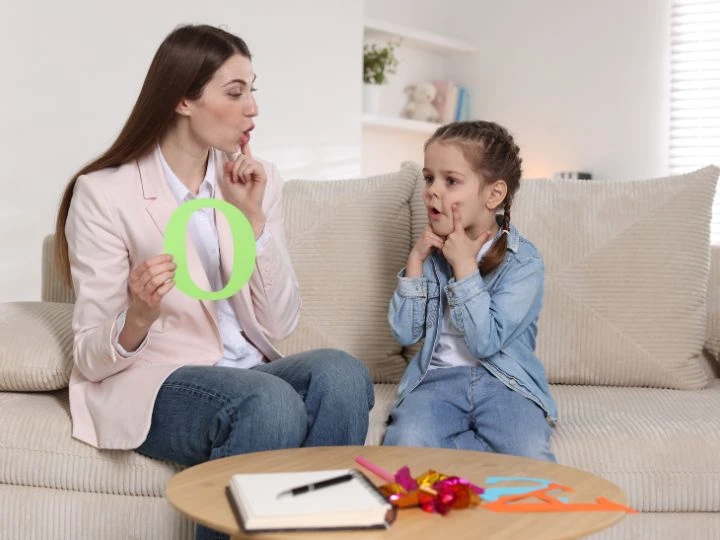

Recognising Early Signs of Developmental Delays in Children
Every child develops at their own pace, learning new skills through everyday experiences, play and interaction. However, some children may take longer to reach important developmental milestones, such as speaking their first words, walking independently, responding to their name or interacting with others. While occasional differences in development are common, consistent delays may indicate that a child needs additional support.
Parents who notice differences in their child's communication, behaviour, movement or social interaction should pay attention to these changes. Conditions associated with autism and developmental delay can affect how children learn, communicate and interact with their surroundings. Recognising these signs early can help families seek appropriate assessments and access support that encourages healthy development.
Developmental Milestones Parents Should Monitor
Developmental milestones are skills that children typically develop within certain age ranges. These milestones provide general guidance for understanding a child's progress across different areas of development.
Parents should observe their child's abilities in the following areas:
1. Speech and Language Development
Communication skills develop gradually during early childhood. Children begin by making sounds, responding to familiar voices and using gestures before progressing to words and sentences.
Some signs that may require attention include:
- Limited babbling or sound making during infancy.
- Not responding consistently to their name.
- Difficulty understanding simple instructions.
- Using fewer words than expected for their age.
- Struggling to communicate basic needs and feelings.
- Losing previously acquired speech or communication skills.
2. Physical and Motor Skills
Motor development involves learning to control body movements, maintain balance and perform physical activities. Delays in these skills can affect a child's ability to participate in everyday routines.
Parents may notice difficulties with:
- Holding their head steady during infancy.
- Sitting without support.
- Crawling, standing or walking independently.
- Holding crayons, picking up small objects or using utensils.
- Running, jumping, climbing or maintaining balance.
3. Social and Emotional Development
Social and emotional development helps children build relationships, express feelings and understand interactions with others.
Possible warning signs include limited eye contact, reduced interest in playing with other children, difficulty sharing attention, limited facial expressions and challenges expressing emotions. Some children may also find changes in familiar routines particularly difficult.
When Should Parents Consider Professional Support?
Parents do not need to wait until a child misses several developmental milestones before seeking professional advice. If something about their child's development raises concerns, discussing it with a qualified healthcare professional is a sensible first step.
Certain signs indicate that an assessment may be beneficial.
Persistent Delays in Reaching Milestones
If a child consistently struggles to develop skills within expected age ranges, parents should consider seeking an assessment. For example, if a toddler has difficulty communicating basic needs or a preschooler struggles with activities involving coordination, professional guidance can help identify possible reasons.
Difficulty With Everyday Activities
Developmental challenges can affect a child's participation in daily routines. These may include getting dressed, eating independently, following instructions, playing with toys or completing simple tasks.
When these activities become consistently difficult, an occupational therapist or another relevant specialist can assess the child's abilities and identify suitable strategies.
Limited Social Interaction
Some children experience difficulties connecting with others, responding to social cues or participating in shared activities. Parents may notice that their child rarely engages in pretend play, struggles with turn taking or shows limited interest in interacting with people around them.
These behaviours do not automatically indicate a developmental condition, but discussing persistent concerns with a healthcare professional can help determine whether further assessment is needed.
Loss of Previously Learned Skills
Losing skills that a child previously developed is an important warning sign. For example, a child who previously used familiar words but stops speaking, or a child who loses certain movement abilities, should receive prompt medical assessment.
Developmental regression should not be treated as a normal stage of growing up.
Which Professionals Can Help Identify Developmental Delays?
Identifying developmental concerns often involves input from different healthcare and developmental specialists. The appropriate professional depends on the child's individual needs and the areas where difficulties are occurring.
Paediatricians
Paediatricians assess children's overall health, growth and development. They can review developmental milestones, investigate possible underlying conditions and recommend further assessments when necessary.
Occupational Therapists
Occupational therapists help children develop practical skills needed for everyday activities. They may work on fine motor coordination, sensory processing, balance, self care, play skills and emotional regulation.
For children experiencing developmental challenges, occupational therapy can provide structured activities that support independence and participation in daily routines.
Speech Pathologists
Speech pathologists support children who experience difficulties with speech, language, communication and feeding. They assess communication abilities and develop strategies to help children express themselves more effectively.
Psychologists and Developmental Specialists
Psychologists and developmental specialists can assess cognitive, behavioural, social and emotional development. Their assessments may help identify specific learning needs and determine appropriate intervention strategies.
Why Early Intervention Makes a Difference
Early intervention provides children with opportunities to develop essential skills during their early years. Accessing appropriate support can help address developmental difficulties before they create greater challenges in everyday activities.
Some important benefits include:
- Improved communication: Targeted activities can help children develop language, understand instructions and express their needs.
- Better motor coordination: Guided exercises can strengthen balance, hand control and physical coordination.
- Greater independence: Children can practise everyday activities such as dressing, eating and organising their belongings.
- Stronger social skills: Structured play encourages interaction, sharing, turn taking and relationship building.
- Improved emotional regulation: Children can learn strategies to recognise feelings, manage frustration and respond to different situations.
Early intervention does not mean that every developmental difference will disappear. Instead, it focuses on helping children build useful abilities and participate more confidently in their everyday environments.
How Parents Can Support Their Child's Development at Home
Professional guidance is important, but parents also play an essential role in supporting their child's progress. Simple activities incorporated into everyday routines can create valuable learning opportunities.
Encourage Communication Through Everyday Activities
Talk to your child during meals, playtime and daily routines. Describe objects, ask simple questions and give them opportunities to respond using words, gestures or other communication methods.
Include Play Based Learning
Activities such as building blocks, puzzles, drawing, pretend play and sorting objects can support problem solving, coordination and creativity.
Establish Consistent Daily Routines
Predictable routines can help children feel more comfortable with everyday activities. Consistent meal times, bedtime schedules and play sessions can encourage independence and reduce uncertainty.
Celebrate Small Developmental Achievements
Recognising small improvements can encourage children to continue practising new skills. Offer positive encouragement when they attempt an activity, communicate a need or complete a task independently.
Frequently Asked Questions
1. At What Age Should Parents Be Concerned About Developmental Delays?
Parents can notice developmental differences at any age. If a child consistently misses expected milestones, struggles with everyday activities or loses previously acquired skills, professional advice should be sought.
2. Can Developmental Delays Be Improved With Early Intervention?
Yes. Early intervention can help children strengthen communication, motor, social and everyday living skills. Progress varies depending on the child's individual needs and the support provided.
3. Are Autism and Developmental Delays the Same Thing?
No. Autism is a neurodevelopmental condition that can affect communication, social interaction and behaviour. Developmental delay describes a slower progression in one or more areas of development. Some autistic children also experience developmental delays, but the two terms are not interchangeable.
4. Should Parents Wait Before Seeking an Assessment?
No. Parents should not delay seeking professional advice when they have concerns about their child's development. Early assessment can help identify specific needs and guide families towards appropriate support.