Maintaining a healthy smile goes beyond brushing and flossing every day. Some areas of your teeth, especially the back molars, have deep grooves where food particles and bacteria can easily collect. Even with good oral hygiene, these areas can be difficult to clean thoroughly. Dental sealants offer an extra layer of protection, helping reduce the risk of cavities and supporting long-term oral health.
In this guide, discover what dental sealants are, how they work, who can benefit from them, and why they are an important part of preventive dentistry.
What Are Dental Sealants?
Dental sealants are thin, protective coatings applied to the chewing surfaces of molars and sometimes premolars. They fill the tiny pits and grooves where plaque and food debris can accumulate, creating a barrier against cavity-causing bacteria.
Sealants are commonly recommended for children and teenagers, particularly when their permanent molars emerge. However, adults with healthy teeth and deep grooves may also benefit from this preventive dental treatment.
Unlike dental fillings, which repair areas damaged by decay, sealants are primarily designed to help prevent cavities before they develop.
How Do Dental Sealants Work?
The chewing surfaces of back teeth are naturally uneven. These grooves can trap bacteria and food particles, allowing acids to attack the enamel and eventually cause tooth decay.
Dental sealants create a smooth protective layer over these vulnerable areas, making it harder for plaque and food debris to settle into the grooves.
According to the Centers for Disease Control and Prevention (CDC), dental sealants can prevent up to 80% of cavities in the back teeth over two years in children. This makes them a valuable addition to a comprehensive preventive dental care routine.
Key Benefits of Dental Sealants
1. Help Prevent Cavities
The primary benefit of dental sealants is their ability to protect cavity-prone chewing surfaces. By covering deep grooves, sealants reduce the chances of food and bacteria contributing to tooth decay.
2. A Quick and Comfortable Procedure
Applying dental sealants is generally simple, non-invasive, and painless. The process typically requires no drilling or removal of healthy tooth structure.
3. Protect Developing Teeth
Children's permanent molars usually emerge around ages six and twelve. Applying sealants when these teeth come through can help protect them during important stages of dental development.
4. Support Long-Term Oral Health
Sealants can last for several years when properly maintained. Regular dental checkups help identify worn, chipped, or missing sealant material so it can be repaired or reapplied when necessary.
5. Potentially Reduce Future Dental Costs
Preventing cavities may reduce the need for restorative procedures, such as fillings. For families looking to prioritize preventive dental care, sealants can be a worthwhile option to discuss with a dentist.
What Happens During a Dental Sealant Procedure?
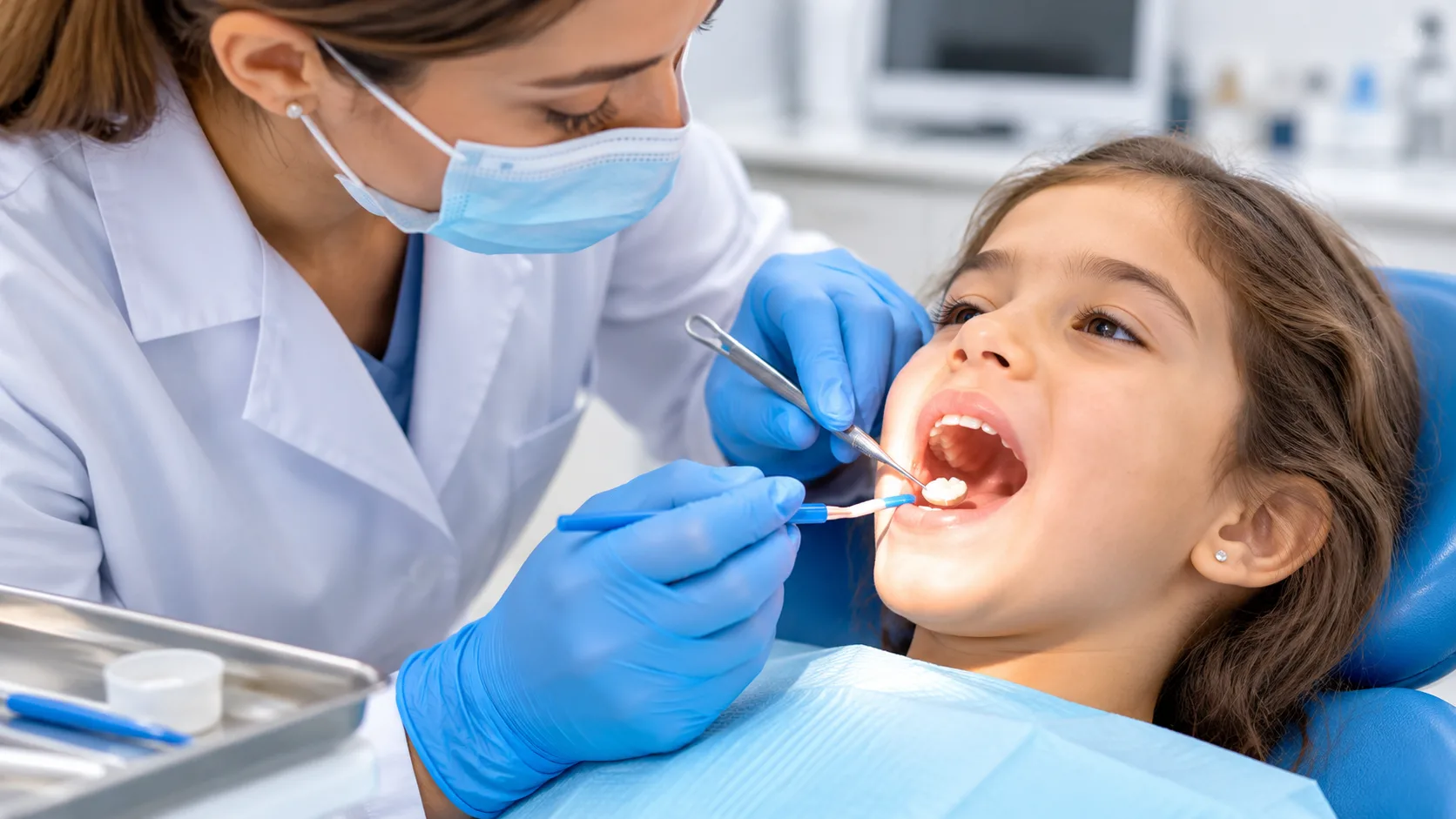
The dental sealant application process usually involves these steps:
- Tooth cleaning: The dentist cleans the tooth to remove plaque and debris.
- Preparation: The tooth is dried, and a conditioning solution may be applied to help the sealant bond.
- Sealant application: A thin liquid coating is carefully placed into the grooves.
- Hardening: A special curing light may be used to harden the material.
- Final check: The dentist checks the sealant and the bite to ensure a comfortable fit.
The appointment is typically quick, and most patients can return to their usual activities immediately afterward.
Who Should Consider Dental Sealants?
Dental sealants are particularly beneficial for children and teenagers whose permanent molars have recently emerged. They may also be appropriate for younger children with cavity-prone baby teeth and adults with deep grooves in otherwise suitable teeth.
Your dentist will examine your teeth and assess your cavity risk before recommending treatment. Teeth with established decay or other problems may require a different approach.
Do Dental Sealants Replace Brushing and Flossing?
No. Dental sealants protect specific chewing surfaces, but they do not cover every part of the tooth. Brushing twice daily with fluoride toothpaste, cleaning between teeth, limiting frequent sugary snacks, and attending regular dental checkups remain essential. Sealants should complement not replace your daily oral hygiene routine.
Protect Your Smile with Preventive Dental Care
Dental sealants are a practical way to help protect vulnerable teeth from cavities, especially during childhood and adolescence. When combined with good oral hygiene and regular professional checkups, they can contribute to healthier teeth and fewer preventable dental problems.
Search dentist near me edmonton & patients can discuss preventive dental care options with a dental professional and determine whether dental sealants are appropriate for their needs.
Don't wait for a cavity to develop before thinking about prevention. Schedule a dental consultation to learn how you can protect your family's smiles for the future.