Plumbing problems have a way of showing up at the worst possible times. A pipe bursts in the middle of the night, the toilet overflows right before guests arrive, or the kitchen sink refuses to drain when you’re trying to clean up after dinner. These situations aren’t just inconvenient—they can quickly turn stressful and messy.
That’s where an emergency plumber in Upper Hutt becomes essential. Unlike routine plumbing services, emergency help is all about speed, reliability, and preventing further damage. In this article, we’ll break down what emergency plumbing involves, when to call for help, and how to handle these situations calmly and effectively.
What Counts as a Plumbing Emergency?
Not every plumbing issue needs urgent attention, but some problems simply can’t wait.
Think of it like a small cut versus a deep wound. A minor issue can wait a day or two, but a serious one needs immediate care. Plumbing works the same way.
Common Emergency Situations
Here are a few examples where calling an emergency plumber is the right move:
- Burst pipes flooding your home
- Overflowing toilets that won’t stop
- No running water at all
- Sewage backing up into sinks or showers
- Major leaks causing visible damage
In these cases, waiting too long can lead to expensive repairs, property damage, or even health risks.
Why Quick Action Matters
Water can be surprisingly destructive. It seeps into floors, walls, and furniture, often causing damage you can’t see right away.
Imagine spilling a glass of water on a wooden table. If you wipe it quickly, no harm is done. But if you leave it there, the wood can warp or stain. Now imagine that happening on a much larger scale—that’s what a plumbing emergency can do.
The faster you act, the more you can limit the damage.
What an Emergency Plumber Actually Does
Emergency plumbers are trained to handle urgent situations quickly and safely. Their goal is to stop the problem, fix it properly, and prevent it from happening again.
Rapid Diagnosis
The first step is figuring out what’s wrong. This might involve checking pipes, valves, and fixtures to locate the source of the issue.
Immediate Repairs
Once the problem is identified, the plumber works to fix it on the spot. This could mean sealing a leak, replacing a broken pipe, or clearing a blockage.
Preventing Further Damage
In many cases, the plumber will also take steps to protect your home, such as shutting off water supply lines or advising you on what to do next.
The Hidden Dangers of Ignoring Emergencies
It’s easy to underestimate plumbing problems, especially if they seem manageable at first. But small issues can quickly spiral into bigger ones.
Structural Damage
Water can weaken wood, damage drywall, and even affect the foundation of your home over time.
Mold Growth
Damp areas create the perfect environment for mold, which can spread quickly and affect indoor air quality.
Health Risks
When wastewater is involved, the risks increase. Contaminated water can carry harmful bacteria, making it unsafe to touch or clean without proper protection.
Understanding Sewer Problems in Simple Terms
Your sewer system is like the main highway for waste leaving your home. When it’s working properly, everything flows away smoothly.
But when there’s a blockage, it’s like a traffic jam. Waste has nowhere to go, so it starts backing up into your home.
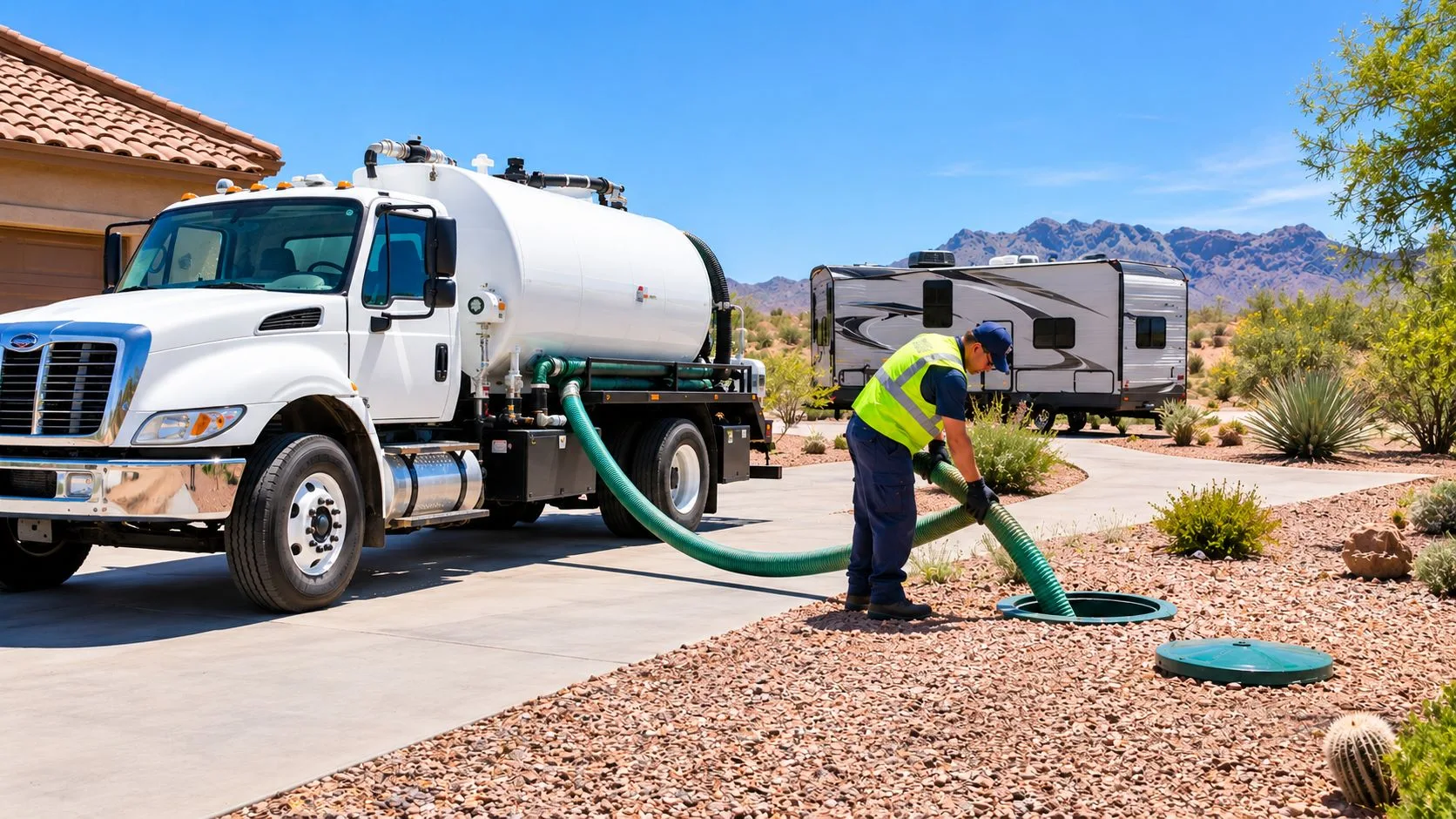
This is where services like sewer cleaning in Upper Hutt . become important. Professionals can clear the blockage and restore proper flow, helping prevent messy and unpleasant situations.
Signs You Might Need Emergency Help
Sometimes, plumbing problems give warning signs before becoming emergencies.
Slow Drains Everywhere
If multiple drains in your home are slow, it could point to a larger issue in the main line.
Strange Noises
Gurgling sounds from drains or pipes can indicate trapped air caused by blockages.
Unusual Smells
Foul odors coming from sinks or toilets may signal a sewer problem.
Sudden Water Pressure Changes
A drop in pressure could mean a leak or blockage somewhere in the system.
Paying attention to these signs can help you act before things get worse.
What You Can Do Before Help Arrives
While waiting for an emergency plumber, there are a few steps you can take to minimize damage.
Turn Off the Water Supply
If possible, shut off the main water valve. This stops the flow of water and prevents further flooding.
Move Valuables to Safety
Keep furniture, electronics, and personal items away from affected areas.
Contain the Problem
Use towels, buckets, or containers to manage leaks or spills temporarily.
Avoid Using Plumbing Fixtures
Until the issue is fixed, it’s best not to use sinks, toilets, or appliances connected to the system.
These simple actions can make a big difference while you wait for professional help.
Choosing the Right Emergency Plumber
When you’re dealing with a crisis, you don’t have time to research endlessly. Still, choosing the right plumber matters.
Look for 24/7 Availability
Emergencies don’t follow a schedule, so it’s important to find a plumber who’s available at any time.
Check Response Time
Quick response can reduce damage and stress. Local plumbers often have faster arrival times.
Read Reviews
Customer feedback can give you a sense of reliability and service quality.
Ask About Experience
An experienced plumber is more likely to diagnose and fix problems efficiently.
The Cost of Emergency Plumbing
Emergency services can cost more than regular appointments, but they’re often worth it.
Think of it like calling roadside assistance. You might pay extra for immediate help, but it saves you from bigger problems down the road.
The cost usually depends on:
- The severity of the issue
- Time of day (late nights or weekends may cost more)
- Parts and materials needed
While it may feel expensive at the moment, quick repairs can prevent far greater costs later.
Preventing Future Emergencies
While not all emergencies can be avoided, many can be prevented with simple habits.
Regular Inspections
Having your plumbing checked occasionally can catch problems early.
Proper Disposal
Avoid flushing items like wipes or pouring grease down the drain.
Watch for Early Signs
Don’t ignore small issues—they often lead to bigger ones.
Maintain Your System
Routine care keeps everything running smoothly and reduces the risk of sudden failures.
Why Professional Help Is Always the Safer Choice
DIY fixes might seem tempting, especially in urgent situations. But without proper tools and knowledge, it’s easy to make things worse.
It’s like trying to fix a car engine without understanding how it works—you might solve one problem but create another.
Professional plumbers have the training and equipment to handle emergencies safely and effectively.
Peace of Mind During Stressful Situations
Plumbing emergencies can feel overwhelming, but having a reliable professional to call makes all the difference.
Knowing that help is available allows you to stay calm and focus on protecting your home and family.
Conclusion
Plumbing emergencies are unpredictable, but they don’t have to be unmanageable. With the right knowledge and quick action, you can reduce damage and get your home back to normal faster.
Calling an emergency plumber in Upper Hutt ensures that urgent issues are handled by someone who knows exactly what to do. From burst pipes to blocked systems, professional help provides both solutions and peace of mind.
By staying aware of warning signs, taking preventive steps, and knowing when to act, you can handle plumbing problems with confidence—even when they happen at the worst possible time.
Frequently Asked Questions (FAQ)
1. What should I do first during a plumbing emergency?
Turn off the main water supply if you can. This helps stop further damage while you wait for a plumber.
2. How quickly can an emergency plumber arrive?
Many emergency plumbers aim to arrive within an hour, depending on your location and availability.
3. Are emergency plumbing services more expensive?
Yes, they often cost more than regular services due to the urgent nature and after-hours work.
4. Can I fix a plumbing emergency myself?
You can take temporary steps like turning off water, but major repairs should be handled by a professional.
5. How can I reduce the risk of plumbing emergencies?
Regular maintenance, proper use of drains, and paying attention to early warning signs can help prevent many issues.