Planning a wilderness expedition into the historic hunting grounds of the Maharajas requires careful consideration of climate, animal behavior, and seasonal forest shifts. Ranthambore National Park opens its primary gates from October 1 to June 30 each year, remaining closed to core tourism during the monsoon season between July and September. Because each season presents a completely distinct wilderness dynamic, the ideal time to take a safari depends largely on whether your priority is comfortable weather, vibrant photography, or maximizing tiger sightings.
Winter Season (October to February): Ideal Weather and Rich Biodiversity
Winter is universally regarded as the most comfortable and visually stunning period to visit Ranthambore. Immediately following the monsoon rains in October, the forest reopens with lush green foliage, brimming water bodies, and clear skies. By December and January, daytime temperatures hover comfortably between 15°C and 25°C, making the game drives pleasant, although early morning and late evening safaris can drop near freezing.
- Pristine scenic beauty featuring full lakes, ancient ruins, and emerald canopies.
- An influx of migratory bird species congregating around Padam Talao, Raj Bagh, and Malik Talao.
- Crisp morning light that provides optimal illumination for landscape and wildlife photography.
- Comfortable open-vehicle conditions suited for multi-generational families and casual travelers.
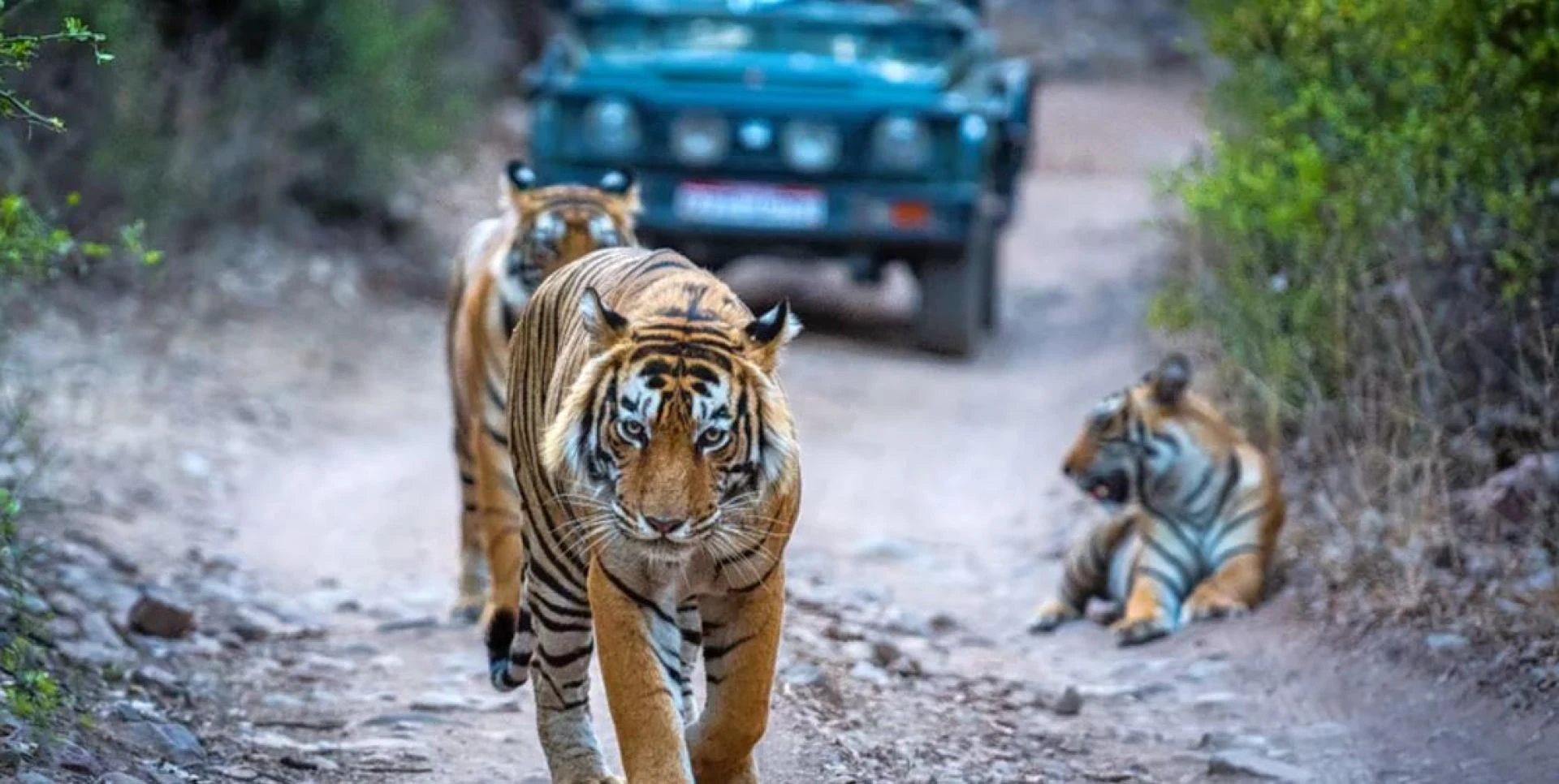
During these cooler months, big cats frequently spend daylight hours basking on rocky plateaus and open forest tracks to absorb warmth. However, because the post-monsoon grass and dense shrubbery remain relatively thick, spotting predators deep within the bush requires patient tracking of alarm calls and fresh pugmarks. Booking a private jeep safari in Ranthambore during this peak winter window gives visitors the flexibility to navigate narrow jungle pathways swiftly with experienced trackers.
Summer Season (March to June): Peak Tiger Sightings and High Visibility
While midday temperatures from April through June often climb beyond 40°C, this scorching window is celebrated by serious wildlife photographers and naturalists as the most rewarding time for predator tracking. The relentless heat strips the deciduous forest of its foliage, drying up seasonal streams and severely thinning the undergrowth.
- Wildlife visibility improves dramatically as trees drop their leaves.
- Natural water pools evaporate, concentrating prey and predators around the few remaining perennial waterholes.
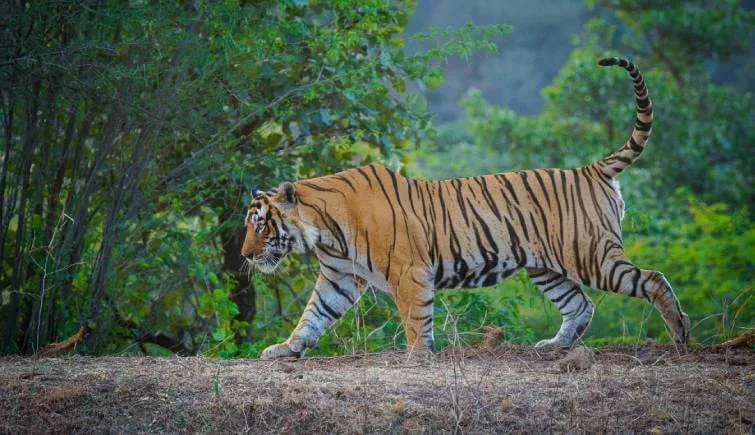
- Tigers routinely submerge themselves in lake shallows or rest along river beds for hours to regulate body temperature.
- Morning drives start at dawn, allowing you to catch apex predators before the peak heat sets in.
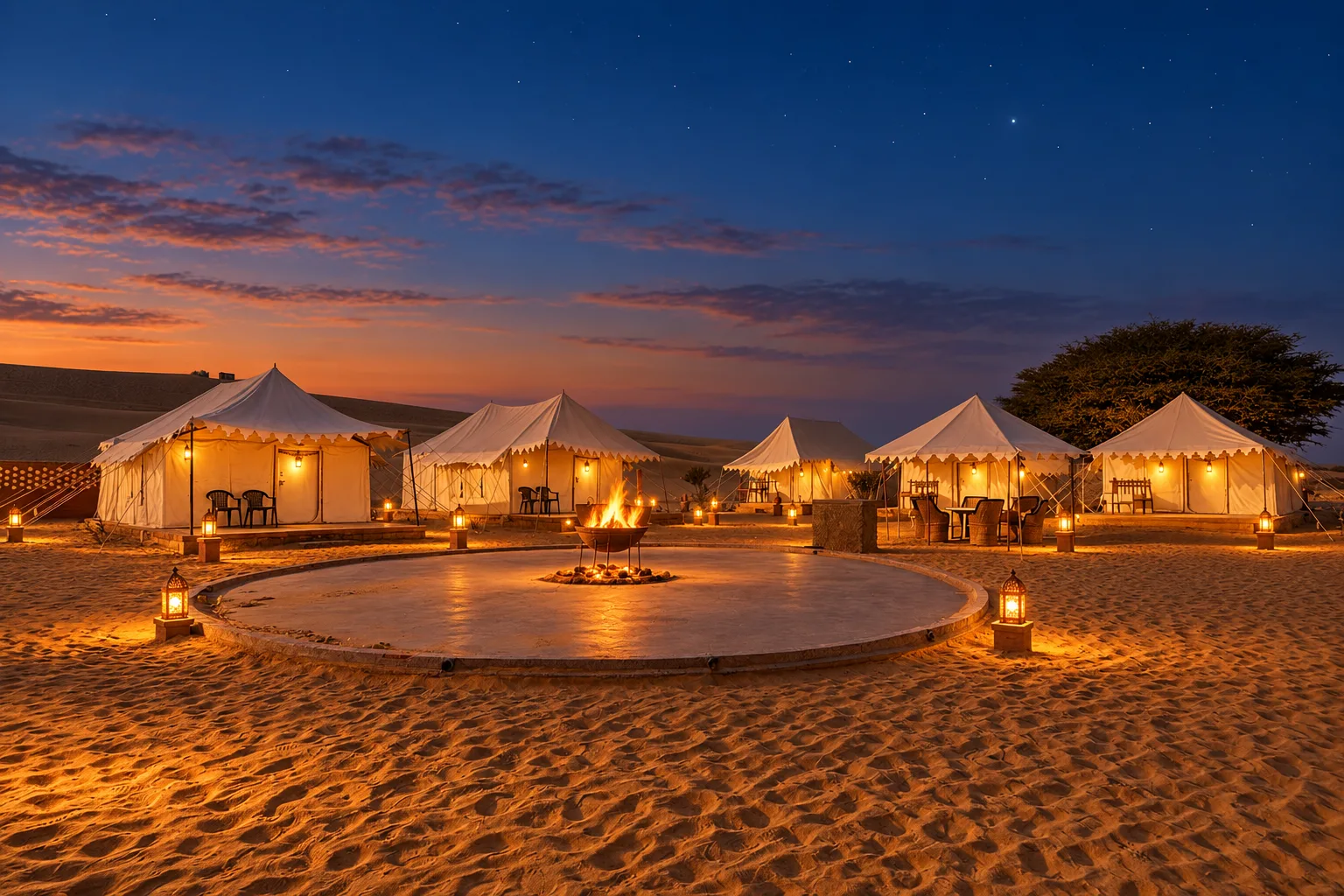
Tigers are territorial creatures bound by their biological need for hydration and cooling in summer. This makes their daily movements far more predictable around prominent landmarks like Raj Bagh Talao and Kachida Valley. While the afternoon heat can be physically demanding, returning from a dust-laden game drive to an air-conditioned luxury resort in Ranthambore ensures you can recharge in serene comfort between tracks.
Shoulder Months (March and April): The Balanced Transition
Travelers looking for an optimal middle ground between comfortable temperatures and elevated sighting odds often choose March and early April. During this transition, winter's harsh early chill fades, while the intense heat waves of late May have not yet arrived.
The "Flame of the Forest" (dhak trees) bursts into fiery orange blossoms across the rocky hillsides, painting a dramatic natural backdrop against ancient stone structures. As small rivulets dry up, tiger movements begin gravitating toward primary lakes without the extreme physical discomfort of peak summer safari conditions.
Morning vs. Afternoon Safaris
Ranthambore conducts two safari drives per day across its designated zones. In the winter months, morning drives reveal fresh boundary markings, territorial sprays, and leopards returning to rocky outcrops from nighttime hunts. In contrast, summer afternoon drives often produce spectacular lake sightings, as apex predators emerge late in the day to lounge near water banks before twilight. Planning a stay spanning three to four safaris across different operational zones provides the highest probability of experiencing these magnificent animals in their natural habitat.