
Every child has big feelings. That is not the problem. The problem comes when a child has not yet developed the internal tools to manage those feelings, and their behavior becomes their only way of expressing what is happening inside.
Emotional outbursts, shutdowns, difficulty recovering from disappointment, trouble in social situations: these are signals. They tell you something about what a child needs, not who they are. And they are much more responsive to targeted support than most parents realize.
What Emotional Regulation Actually Means
Emotional regulation is the ability to recognize, manage, and respond to emotional experiences in a way that is proportionate and socially appropriate. It does not mean suppressing feelings or never getting upset. It means having the internal resources to move through an emotion without being controlled by it.
Children develop these capacities gradually, and they do not all develop at the same pace. What looks like defiance or manipulative behavior is often a child who genuinely does not yet have the neurological tools to respond differently.
The prefrontal cortex, the part of the brain responsible for impulse control and emotional regulation, does not fully develop until the mid-twenties. Young children are working with brain architecture that simply does not support the kind of regulation we sometimes expect from them.
Signs Your Child May Be Struggling
Some children need additional support beyond what typical development and parenting provides. Signs that a child is struggling with emotional regulation include frequent and intense meltdowns that seem disproportionate to the trigger, difficulty calming down after becoming upset, trouble transitioning between activities, and persistent anxiety or avoidance behaviors.
Social struggles are another indicator. Children who have difficulty reading emotional cues in peers, who get overwhelmed in group settings, or who have trouble recovering after conflict may be experiencing dysregulation that goes beyond typical childhood challenges.
Sleep disturbances, physical complaints without clear medical cause, and a pattern of school refusal can also signal emotional dysregulation. These are not character flaws or parenting failures. They are signals that a child needs more targeted support.
Why Play Therapy Works for Children
Adults typically process their experiences through talk. Children process through play. It is their native language, the way they make sense of the world and work through what confuses or frightens them.
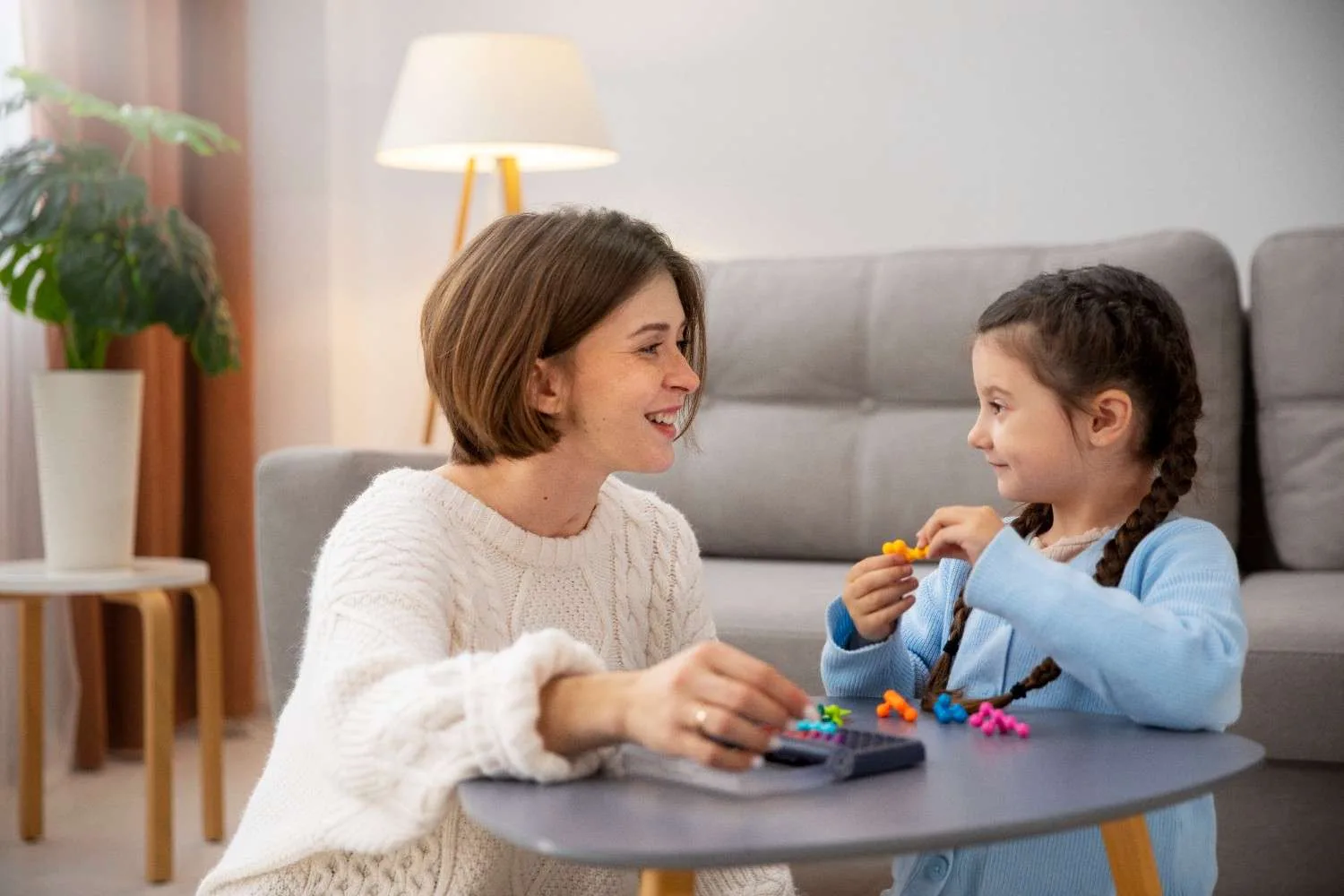
Play therapy creates a therapeutic environment where children can express what they cannot yet articulate verbally. Through toys, art, movement, and imaginative play, they communicate their inner world to a trained therapist who understands what they are seeing.
A play therapist in Charlotte uses structured and non-directive play approaches to help children build emotional vocabulary, develop coping strategies, and process experiences that may be contributing to their difficulties.
The research on play therapy is strong. It has shown effectiveness across a range of childhood concerns including anxiety, trauma, behavioral difficulties, and social challenges. Crucially, it works within the developmental stage of the child rather than requiring them to function beyond it.
What Happens in Emotional Regulation Therapy
Seeking emotional regulation therapy for kids in Charlotte does not mean sitting a child in a chair and asking them to talk about their feelings for an hour. The approach is far more tailored to how children actually learn and grow.
Sessions typically involve play-based activities chosen for their therapeutic value. A child might work through scenarios using puppets or figurines, create art that externalizes internal experiences, or engage in movement-based activities that help regulate the nervous system.
Therapists also work with parents. Teaching parents the concepts behind emotional regulation, co-regulation strategies, and how to respond to big feelings in ways that build rather than undermine their child's capacity is often as important as the direct work with the child.
The Role of the Parent-Child Relationship
Children learn emotional regulation primarily through co-regulation with caregivers. When a parent can remain calm and present during a child's distress, they help the child's nervous system learn to settle. When caregivers are themselves dysregulated, children pick that up too.
This is not about blame. Parents are human beings with their own nervous systems and histories. The therapeutic process supports the whole family system, helping parents develop skills and understanding that make co-regulation more accessible even in difficult moments.
Therapy also gives children an experience of being seen and understood by a safe adult. For some children, that experience alone begins to shift something.
Finding Support in Charlotte
If you are watching your child struggle and feeling at a loss for how to help, you are not alone and there is a next step available to you.
Charlotte has qualified therapists who specialize in children's emotional and behavioral wellbeing. At Montgomery Counseling Group, therapists understand both the clinical frameworks and the practical reality of supporting families through these challenges.
Your child's big feelings are not the problem. They are the invitation to help that child build something lasting: the ability to know what they feel, to move through it, and to stay connected to the people they love even in difficult moments. That is a skill that will serve them for the rest of their lives.