
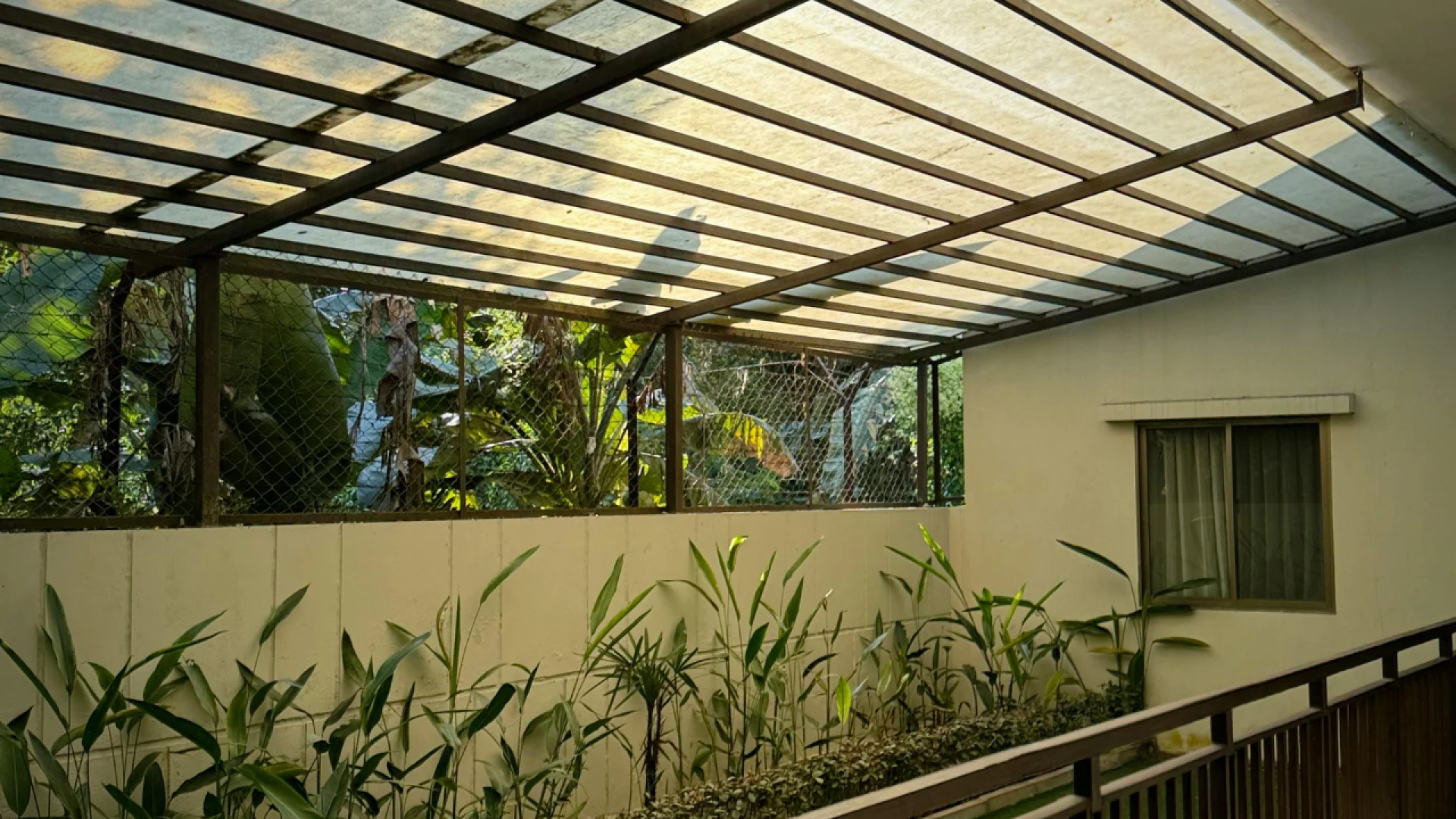
Designing or upgrading a roof is rarely a purely aesthetic decision. It involves balancing light, heat, durability, cost, and the way a space is actually used day to day. In recent years, materials that allow light to pass through without fully exposing interiors have gained attention in both residential and semi-commercial settings.
Among these options, vinyl-based roofing systems have emerged as a practical middle ground between fully transparent and fully opaque roofs. Understanding when this type of solution is appropriate—and when it is not—can help property owners make more informed, long-term choices.
This article explores the contexts, advantages, and limitations of a translucent vinyl roof from a functional and architectural perspective, focusing on how it interacts with space, climate, and human use rather than trends or marketing claims.
Understanding Translucent Roofing Materials
What “Translucent” Actually Means
In architectural terms, translucency refers to a material’s ability to admit light while diffusing it. Unlike transparent materials, which allow clear visibility, translucent surfaces scatter incoming light, reducing glare and visual exposure.
For roofing, this distinction matters. A translucent roof brightens a space without creating harsh shadows or overheating effects typically associated with direct sunlight. Vinyl sheets engineered for roofing applications are often manufactured with additives that enhance UV resistance and structural stability.
How Vinyl Compares to Other Roofing Options
Vinyl roofing panels differ from polycarbonate, acrylic, glass, and metal in several ways:
- Weight: Vinyl is relatively lightweight, reducing structural load requirements.
- Flexibility: It can adapt to gentle curves or modular framing systems.
- Light diffusion: Vinyl tends to soften light more evenly than rigid transparent panels.
However, it is also generally less rigid and may not suit high-load or long-span roofing without adequate support.
Functional Benefits in Real-World Spaces
Natural Light Without Full Exposure
One of the primary reasons people consider a translucent vinyl roof is to increase daylight while maintaining privacy. This is particularly useful in areas such as patios, covered walkways, or semi-outdoor workspaces where visibility from above is undesirable.
The diffused light improves visual comfort and can reduce reliance on artificial lighting during daytime hours.
Heat Management in Warm Climates
In tropical or subtropical regions, direct sunlight can quickly raise indoor temperatures. Translucent vinyl roofing reduces solar intensity by dispersing light rather than allowing it to enter directly. While it does not eliminate heat gain entirely, it can help moderate temperature spikes compared to fully transparent roofing.
This makes it suitable for spaces that need daylight but are not fully climate-controlled.
Weather Protection With Visual Softness
Vinyl roofing provides shelter from rain while maintaining a lighter visual presence than metal or concrete alternatives. In residential settings, this can help outdoor-adjacent spaces feel connected to the environment rather than enclosed or heavy.
Common Applications Where It Makes Sense
Residential Extensions and Semi-Outdoor Areas
Homeowners often use translucent vinyl roofing for carports, balconies, pergolas, or backyard seating areas. These spaces benefit from daylight but do not require the same insulation or durability standards as primary indoor rooms.
In such contexts, vinyl can act as a transitional roofing solution—neither fully indoor nor fully exposed.
Educational, Community, or Utility Structures
Schools, walkways, and small utility buildings sometimes incorporate translucent roofing to improve visibility and safety without the expense of full glazing systems. Even light distribution is especially useful in corridors or shared spaces used throughout the day.
Industrial or Agricultural Settings
In some non-residential applications, diffused natural light supports visibility while reducing energy consumption. Vinyl roofing may be used selectively in sheds, storage areas, or covered work zones where clarity is less important than illumination.
Limitations and Considerations
Durability and Lifespan
While modern vinyl roofing products are more robust than earlier generations, they may still have a shorter lifespan than metal or concrete roofing under extreme conditions. Prolonged exposure to intense UV radiation can eventually cause discoloration or brittleness if materials are not properly specified.
Regular inspection and appropriate thickness selection are important for long-term performance.
Acoustic Performance
Rain noise can be more noticeable on vinyl roofing compared to heavier materials. In quiet residential environments, this may be a consideration, particularly for bedrooms or study areas.
Structural Support Requirements
Despite being lightweight, vinyl panels still require proper framing to prevent sagging or movement over time. The roof pitch, spacing of supports, and fastening system all influence performance.
A Balanced Alternative to Fully Opaque Roofing
In many projects, the choice is not between full transparency and total opacity, but somewhere in between. For designers seeking to avoid darkened interiors without introducing glare or overheating, solutions such as a translucent vinyl roof can offer a practical compromise.
The key is to treat it as a functional material rather than a universal solution. Its value lies in specific contexts where light diffusion, moderate weather protection, and cost efficiency align with how the space is actually used.
Conclusion
A translucent vinyl roof makes sense when the goal is to invite daylight into a space without fully exposing it to heat, glare, or visibility from above. It is particularly effective in transitional areas—spaces that sit between indoors and outdoors and serve multiple purposes throughout the day.
Like all building materials, it performs best when its limitations are acknowledged and incorporated into the design process. When chosen thoughtfully, it can enhance comfort, usability, and visual quality without overcomplicating the structure.
FAQs
Is translucent vinyl roofing suitable for full indoor rooms?
Generally, it is better suited for semi-outdoor or transitional spaces. Fully indoor rooms often require higher levels of insulation, sound control, and long-term durability.
How does it perform during heavy rain?
Vinyl roofing provides effective water protection when properly installed, though rain noise may be more noticeable compared to heavier roofing materials.
Does it require special maintenance?
Maintenance is relatively minimal, usually involving periodic cleaning and inspection for surface wear or fastening issues.
Can it help reduce energy use?
By increasing natural daylight, it can reduce the need for artificial lighting during daytime hours, especially in shared or utility spaces.
Is it appropriate for all climates?
It performs best in mild to warm climates. In areas with extreme heat, cold, or heavy snow loads, material specifications and structural design become especially important.