The shift toward natural fibres in clothing is not simply a trend — it reflects a broader reassessment of what we expect from the things we wear. Comfort, durability, breathability, and reduced environmental impact have become priorities that synthetic fibres increasingly fail to meet. Understanding the landscape of natural fabric options is the first step toward making better choices — whether you're building a wardrobe or developing a fashion collection.
Cotton is the most widely used natural fibre globally, and for good reason. It is soft against the skin, breathable, easy to wash, and available in an enormous range of weights and weave constructions. From fine voile to heavy canvas, cotton adapts to almost any application. Its environmental credentials, however, depend heavily on how it is grown — conventional cotton farming uses significant amounts of water and pesticide, while organic cotton offers a substantially cleaner footprint.
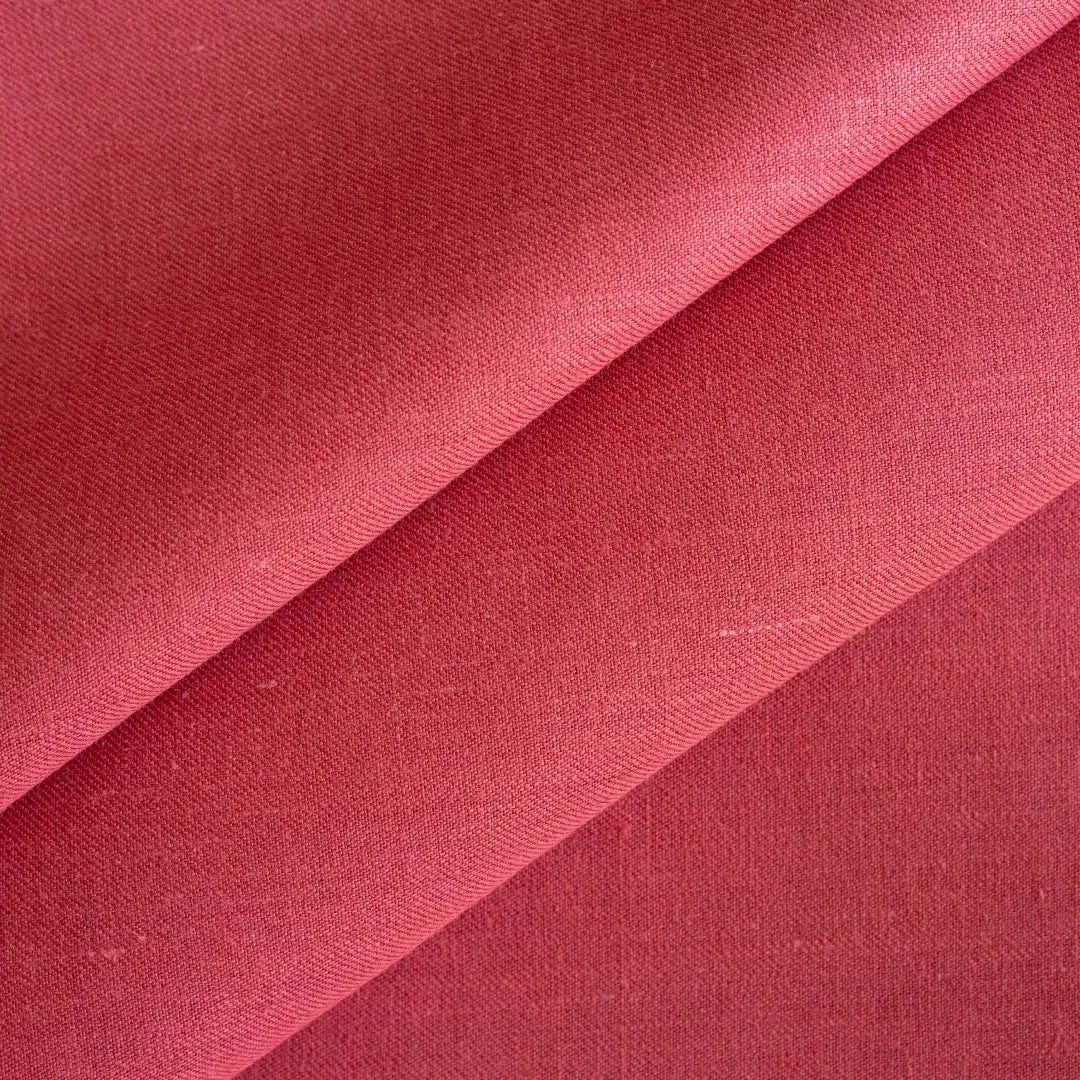
Linen, made from the flax plant, is one of the oldest textiles in human history and one of the most resilient. It is stronger than cotton, becomes softer with each wash, and has a natural cooling quality that makes it ideal for warm climates. Linen's characteristic slight texture and relaxed drape give garments a quality that feels both refined and effortless. It requires minimal processing and grows without the intensive water demands of cotton.
Wool is the natural fibre of cold seasons — warm, moisture-wicking, naturally flame-resistant, and remarkably durable when properly cared for. Merino wool, in particular, has found a new audience in performance and activewear because of its softness and temperature-regulating properties. Responsible sourcing is important here: look for certifications that ensure animal welfare standards are met.
Silk is the most luxurious of the natural fibres, produced by silkworms and woven into fabrics of exceptional lustre and drape. It is temperature-regulating, naturally hypoallergenic, and extraordinarily beautiful. The trade-off is price and care requirements. Silk garments demand gentle handling but reward that attention with longevity that cheaper alternatives cannot match.
Hemp is increasingly recognised as one of the most promising natural fibres for sustainable fashion. It grows quickly, requires little water, improves soil health, and produces a fibre that is strong, antimicrobial, and softens beautifully over time. Hemp clothing fabric for everyday wear has moved well beyond the rough, utilitarian image it once had — today's hemp textiles are refined, comfortable, and versatile enough for a wide range of applications.
When selecting natural fabrics for conscious clothing, certification matters. Look for GOTS (Global Organic Textile Standard), OEKO-TEX, and similar certifications that verify both environmental and social standards throughout the supply chain. These certifications don't guarantee perfection, but they provide a meaningful baseline of assurance.
The practical performance of natural fabrics — how they wash, how they age, how they feel after a full day of wear — is ultimately what determines whether they earn a permanent place in a wardrobe or collection. Natural fibres, at their best, improve with time. They develop patina, soften, and carry the marks of use in ways that feel alive rather than worn out. That quality is rare and worth seeking out.