A burst pipe is one of those home disasters that seems to come out of nowhere. One moment everything is fine, and the next, water is spraying or pooling where it shouldn’t be. It can feel overwhelming, especially if you’ve never dealt with plumbing problems before.
But here’s the good news: understanding what causes a burst pipe and knowing how to respond can make a huge difference. You don’t need to be a plumbing expert to take the right first steps and protect your home.
Think of your plumbing system like a network of water highways running behind your walls and under your floors. When everything is working properly, water flows smoothly. But when a pipe bursts, it’s like a dam breaking—water rushes out uncontrollably, and damage can happen quickly.
This guide will walk you through burst pipe repair in Upper Hutt using simple language and practical examples. By the end, you’ll feel more confident about what to do, what to expect, and how to prevent it from happening again.
What Does It Mean When a Pipe Bursts?
A burst pipe is exactly what it sounds like—a pipe that has cracked, split, or broken open, allowing water to escape.
Sometimes the damage is dramatic, with water spraying out forcefully. Other times, it’s less obvious, like a slow leak behind a wall. Either way, it’s a problem that needs attention right away.
Imagine blowing up a balloon until it can’t stretch anymore. Eventually, it pops because the pressure becomes too much. Pipes can behave in a similar way when stress builds up inside them.
Common Causes of Burst Pipes
Understanding why pipes burst can help you reduce the risk in your own home.
High Water Pressure
Water pressure that’s too strong can strain your pipes over time. It’s like constantly overfilling a water balloon—it may hold for a while, but eventually it gives in.
Freezing Temperatures
Even though Upper Hutt doesn’t experience extreme cold often, chilly nights can still cause problems. When water freezes, it expands. This expansion puts pressure on pipes, which can lead to cracks or bursts.
Old or Worn-Out Pipes
Pipes don’t last forever. Over time, they can weaken due to age, rust, or wear and tear. Older homes are especially at risk.
Blockages
When something blocks a pipe, water pressure builds up behind it. This pressure can eventually cause the pipe to fail.
Poor Installation
If pipes weren’t installed properly in the first place, they may be more likely to fail under stress.
Warning Signs Before a Pipe Bursts
Sometimes, a burst pipe gives warning signs before it happens. Paying attention to these clues can help you act early.
Unusual Noises
Banging or clanking sounds in your pipes can indicate pressure problems.
Water Stains
Discoloration on walls or ceilings may signal a hidden leak.
Reduced Water Flow
If water pressure suddenly drops, it could mean there’s a leak somewhere.
Damp or Musty Smells
A persistent damp smell might indicate water is escaping where it shouldn’t.
What to Do Immediately After a Pipe Bursts
When a pipe bursts, time matters. Acting quickly can limit the damage.
Turn Off the Water Supply
The first step is to stop the flow of water. Locate your main water valve and shut it off.
Drain Remaining Water
Turn on taps to release any water still in the system.
Switch Off Electricity (If Needed)
If water is near electrical outlets or appliances, turning off power can prevent accidents.
Move Belongings
Protect furniture, electronics, and valuables from water damage.
Call for Help
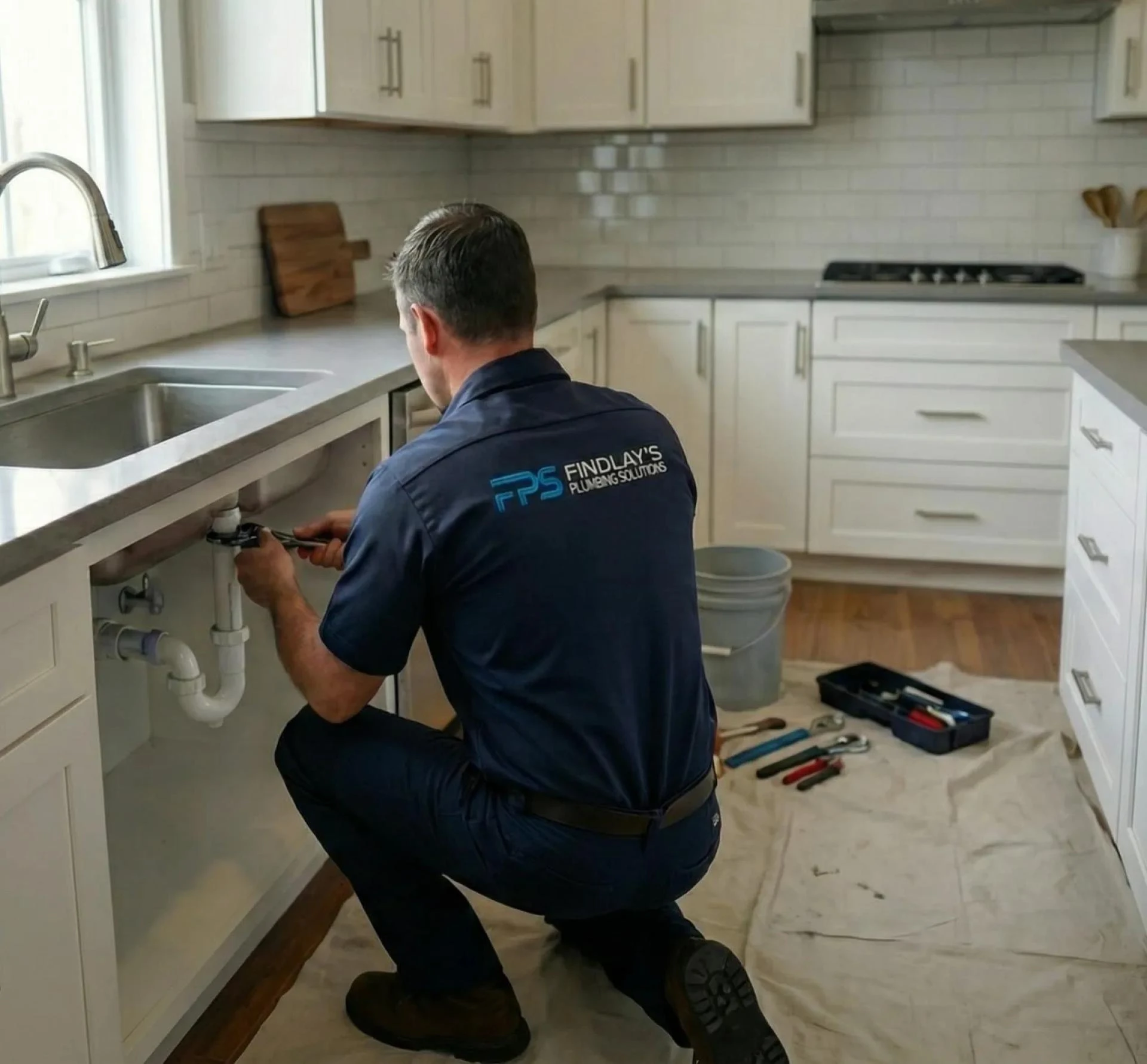
This is the point where contacting a professional becomes essential. A skilled plumber in Upper Hutt can assess the situation and carry out proper repairs.
How Burst Pipe Repair Works
Fixing a burst pipe depends on the severity of the damage, but the basic idea is to stop the leak and restore normal water flow.
Locating the Problem
The first step is finding the exact spot where the pipe is damaged. This might involve checking visible pipes or using tools to detect hidden leaks.
Repairing or Replacing the Pipe
- Minor damage may be fixed with a patch or seal
- Severe damage often requires replacing a section of the pipe
Think of it like fixing a cracked garden hose. Sometimes you can tape it, but other times you need to cut out the damaged part and attach a new piece.
Testing the System
Once the repair is done, the system is tested to make sure everything is working properly and there are no further leaks.
Why Quick Repairs Matter
Delaying repairs can lead to bigger problems.
Structural Damage
Water can weaken walls, ceilings, and floors over time.
Mold Growth
Damp areas create the perfect environment for mold, which can affect your health.
Higher Costs
The longer you wait, the more expensive the repairs can become.
Preventing Burst Pipes in the Future
While not all pipe bursts can be avoided, there are steps you can take to reduce the risk.
Monitor Water Pressure
Keeping water pressure at a safe level helps protect your pipes.
Insulate Pipes
Adding insulation can help protect pipes during colder months.
Fix Small Leaks Early
A minor leak today can turn into a major problem tomorrow.
Replace Old Pipes
If your home has aging plumbing, upgrading it can prevent future issues.
Be Careful with Drains
Avoid flushing or pouring things that could cause blockages.
The Role of Professional Help
While some small plumbing issues can be handled on your own, burst pipes usually require professional attention.
A trained plumber has the tools and experience to:
- Identify hidden problems
- Repair damage correctly
- Ensure the system is safe and reliable
Trying to fix a burst pipe without proper knowledge can lead to incomplete repairs or even more damage.
Burst Pipes and Insurance
Many homeowners wonder whether insurance will cover the cost of repairs.
In many cases, sudden and unexpected damage—like a burst pipe—is covered. However, damage caused by neglect or lack of maintenance may not be.
It’s a good idea to:
- Review your policy
- Document the damage
- Take photos before repairs begin
Long-Term Impact of Ignoring Pipe Issues
Ignoring plumbing problems doesn’t make them go away—it usually makes them worse.
A small crack can grow larger. A slow leak can turn into a burst. Over time, the damage can affect not just your plumbing but also your home’s structure and value.
Think of it like ignoring a small crack in a windshield. It might seem minor at first, but it can spread and become a major issue.
Frequently Asked Questions (FAQ)
1. How do I know if a pipe has burst behind a wall?
Look for signs like damp patches, peeling paint, or a sudden drop in water pressure. You might also notice a musty smell.
2. Can I still use water if a pipe has burst?
It’s best to turn off the main water supply immediately. Using water can make the damage worse.
3. How long does it take to repair a burst pipe?
It depends on the severity. Minor repairs can take a few hours, while more complex issues may take longer.
4. Are burst pipes common in Upper Hutt?
They can happen, especially in older homes or during colder periods. Regular maintenance helps reduce the risk.
5. Should I try to fix a burst pipe myself?
Temporary fixes might help in an emergency, but a proper repair should always be done by a professional.
Conclusion
A burst pipe can feel like a major crisis, but with the right knowledge and quick action, it’s a problem you can manage effectively.
Understanding the causes, recognizing the warning signs, and knowing what steps to take can make all the difference. Acting quickly helps protect your home, reduce damage, and keep repair costs under control.
Most importantly, don’t hesitate to seek professional help when needed. A reliable expert can ensure the problem is fixed properly and help you prevent future issues.
Your plumbing system may be hidden from view, but it plays a vital role in your everyday life. Taking care of it today can save you from bigger headaches tomorrow.