
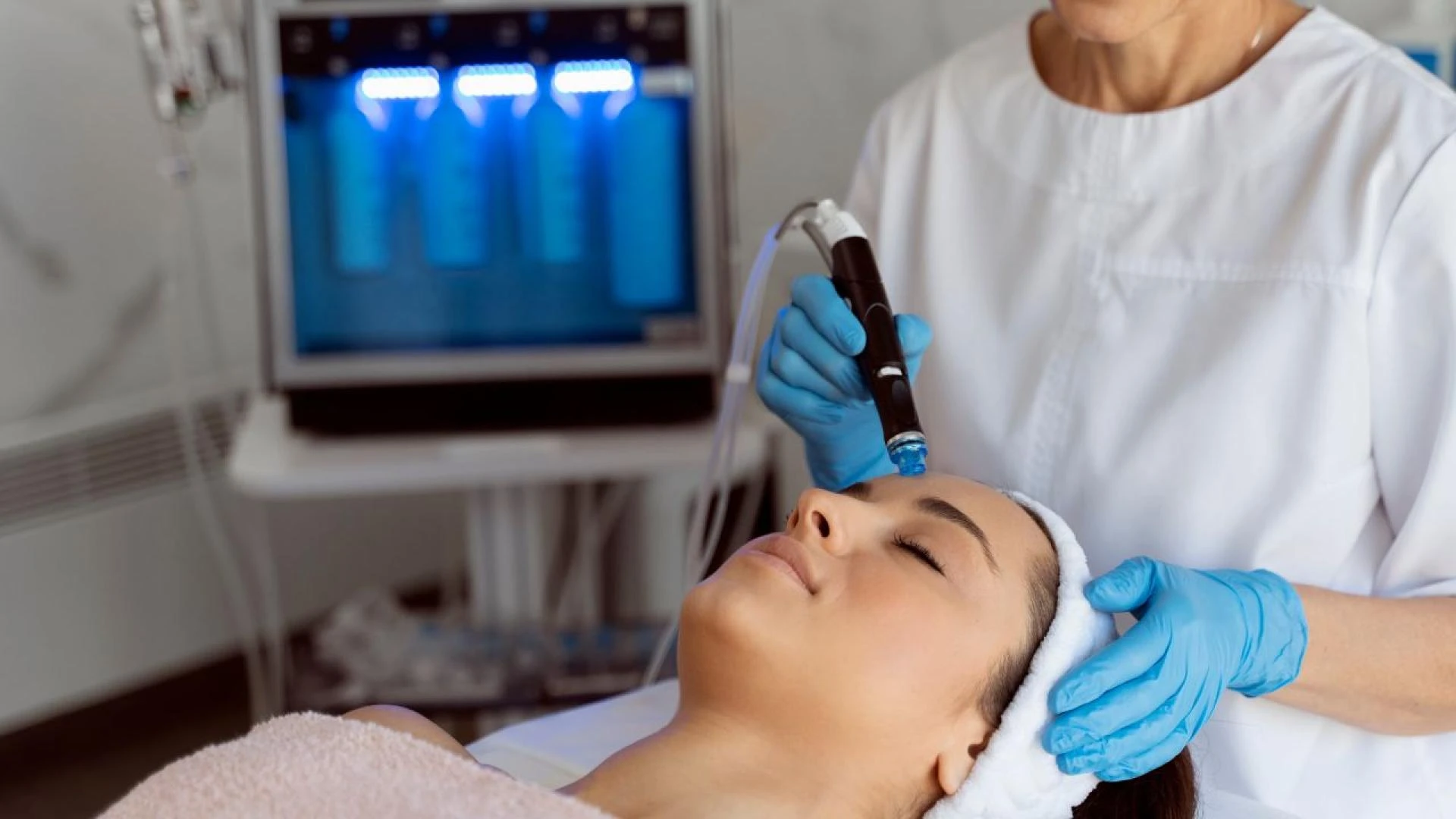
Your skin is the largest organ in your body. It covers everything, protects you from the outside world, and works hard every single day. But sometimes it sends signals. A rash appears. A mole changes. Dry patches show up that will not go away. Most of us ignore these signs until they become a real problem.
That is where dermatology comes in. It is the branch of medicine that focuses on the skin, hair, and nails. A dermatologist can help you understand what your skin is doing, why it is doing it, and what you can do about it. Whether you have a mild concern or something more serious, getting proper care is always worth it.
At Liv Hospital, we believe good health starts with paying attention — and your skin deserves that attention.
What Is Dermatology, Exactly?
Dermatology is a medical specialty that covers a wide range of conditions — from acne and eczema to skin cancer and hair loss. Dermatologists are trained doctors. They first complete medical school, then spend years in additional training focused only on the skin.
Because skin conditions can look very similar to each other, diagnosis is not always simple. That is why having a specialist matters. A trained eye can often spot the difference between a harmless rash and something that needs immediate care.
There are different types of dermatology too. Some dermatologists focus on medical issues, like treating infections or chronic conditions. Others focus on cosmetic procedures. In addition, there is pediatric dermatology for children, and surgical dermatology for removing growths or treating skin cancer.
Common Skin Conditions You Should Know About
Skin problems are more common than most people realize. Millions of people deal with some kind of skin condition every year. Here are a few of the most frequently seen issues:
• Acne — This is the most common skin condition in the world. It happens when pores get blocked by oil and dead skin cells. Moreover, it is not just a teenage issue. Many adults deal with it well into their 30s and 40s.
• Eczema — This causes the skin to become red, itchy, and dry. It often comes and goes. Stress, certain fabrics, and cold weather can all make it worse.
• Psoriasis — This is a condition where skin cells build up too fast. As a result, it creates thick, scaly patches that can be uncomfortable and sometimes painful.
• Rosacea — This causes redness, usually on the face. Spicy food, alcohol, and sun exposure tend to trigger flare-ups.
• Skin infections — These can be caused by bacteria, viruses, or fungi. They vary in severity, and the right treatment depends on the cause.
These conditions can affect your confidence and quality of life. The good news is that most of them are very treatable. If you have been dealing with any of these, speaking to a specialist in DERMATOLOGY can make a real difference.
Skin Cancer: The One You Cannot Afford to Miss
Skin cancer is the most common cancer worldwide. The encouraging part is that when caught early, it is also one of the most treatable. Therefore, knowing what to look for matters a great deal.
The main types are basal cell carcinoma, squamous cell carcinoma, and melanoma. Basal and squamous cell cancers grow slowly. They usually appear as strange-looking bumps or sores that do not heal. Melanoma, however, is more serious. It can spread to other parts of the body if it is not caught in time.
A simple way to check your moles is the ABCDE method:
• A for Asymmetry — One half does not match the other
• B for Border — The edges are uneven or blurry
• C for Color — There are different shades within one mole
• D for Diameter — It is larger than a pencil eraser
• E for Evolving — It is changing in size, shape, or color
If you notice any of these signs, see a dermatologist right away. Early action saves lives and makes treatment much simpler. Annual skin checks are a smart habit — especially if you spend a lot of time in the sun or have a family history of skin cancer.
Hair and Nail Health: More Connected Than You Think
Most people do not realize that dermatology covers hair and nails too. These are all part of the same system. So when something goes wrong with your hair or nails, a dermatologist is often the right person to see.
Hair loss is one of the most common concerns dermatologists treat. It can happen for many reasons — stress, hormonal changes, nutritional gaps, or medical conditions like alopecia. Furthermore, the type of hair loss matters when it comes to treatment. A dermatologist can run tests to figure out the cause and recommend the best approach.
Nails also show clues about your overall health. Yellow or thickened nails may point to a fungal infection. White spots, unusual color changes, or nails that separate from the bed can all signal something worth checking. In some cases, nail changes are even linked to conditions in other parts of the body.
What to Expect at a Dermatology Visit
Many people put off seeing a dermatologist because they are not sure what to expect. However, the appointment is usually simple and does not take very long.
First, the doctor will ask about your skin history. They will want to know when the problem started, what makes it better or worse, and whether anyone in your family has had something similar. Then, they will examine the affected area.
From there, they may do a few tests. A skin scraping can check for fungal infections. A biopsy — where a tiny piece of skin is removed — can test for cancer or other conditions. In addition, blood tests are sometimes needed to look for underlying issues.
Treatment depends on what is found. It might be a prescription cream, oral medication, a light therapy session, or a small procedure. Many things can be handled in a single visit. Either way, you will leave with a clear plan and answers you did not have before.
Simple Habits That Keep Your Skin Healthy
You do not have to have a skin problem to take care of your skin. The best time to think about skin health is before issues show up. Good habits go a long way.
Sun protection is the single most important thing you can do for your skin. Use sunscreen with at least SPF 30 every day — even on cloudy days. Moreover, try to stay in the shade during peak hours and wear a hat when you can.
Staying hydrated helps too. Drinking enough water keeps skin looking fresh and supports its natural barrier. Similarly, a balanced diet matters. Foods rich in omega-3 fatty acids, vitamins C and E, and zinc are all good for the skin.
Sleep is another factor that many people overlook. Your skin repairs itself while you rest. Too little sleep shows up on your face over time. Furthermore, avoiding smoking and cutting back on alcohol both make a visible difference to skin health.
Finally, keep your skincare routine simple. Cleanse, moisturize, and protect. You do not need dozens of products. Consistency beats complexity every time. If something is not working, a dermatologist can help you build a routine that suits your skin type.
When Should You See a Dermatologist?
A lot of people wait too long before making an appointment. They think the problem will go away on its own. But other times, waiting just makes things harder to treat.
You should see a dermatologist if any of the following apply:
• You have a rash that has not improved after two weeks
• A mole or skin spot has changed in size, shape, or color
• You are losing hair and do not know why
• You have a skin condition that keeps coming back
• Over-the-counter treatments have not worked for you
There is no need to live with discomfort or worry. A specialist can give you real answers and a clear treatment plan. At Liv Hospital, our dermatology team is here to help you feel comfortable and confident in your skin.
The Role of Dermatology in Overall Health
Skin health and overall health are deeply connected. Conditions like diabetes, thyroid disorders, and autoimmune diseases often show early symptoms on the skin. So a dermatologist is sometimes the one who spots a deeper issue before anyone else does.
Because of this connection, dermatology is not just about looking good. It is about being well. Taking care of your skin means taking care of yourself. At Liv Hospital, we take a whole-person approach to every patient we see.
Our DERMATOLOGY department is equipped with the latest diagnostic tools and treatment options. Whether you need a routine skin check or help managing a long-term condition, our team is ready to support you through every step.
Looking After Your Skin Is Looking After Yourself
Your skin works hard every day. It deserves care — not just attention when something goes wrong. Think of dermatology as one part of a bigger picture that includes how you eat, sleep, move, and live day to day.
If you want to go deeper into the lifestyle side of skin and body wellness, there are great resources out there. One we particularly like is live and feel, a wellness platform focused on helping people build healthier, more balanced lives. It is worth a visit if you are looking for practical guidance on feeling your best from the inside out.
Healthy skin is not about perfection. It is about consistency, care, and knowing when to ask for help. Start paying attention to what your skin is telling you. And when you are ready, the team at DERMATOLOGY is here to walk that path with you.