You are in a meeting, a conversation, or simply listening to music you enjoy, and something feels off. The sound is there, but it is muffled, distant, like you are hearing everything through a wall. You clear your throat, swallow hard, yawn. Nothing changes. By the end of the day you are leaning in closer, asking people to repeat themselves, and quietly wondering whether something is wrong.
For a large proportion of people who experience this, the answer is straightforward: ear wax build-up. Not a sinister diagnosis. Not a permanent condition. Just a common, highly treatable issue that millions of adults in the UK live with unnecessarily, simply because they do not know what to do about it or who to turn to.
This guide covers what your ears are actually trying to tell you, why ear wax becomes a problem, and why professional ear wax removal from a qualified specialist is the fastest and safest route back to hearing clearly.
The Purpose of Ear Wax and Why It Matters
Ear wax often gets an unfairly bad reputation. Far from being a sign of poor hygiene, wax is one of the ear's most important defence mechanisms. Produced by glands in the outer ear canal, it traps dust, bacteria, dead skin cells, and microscopic debris before they can travel deeper toward the eardrum. It also has mild antibacterial properties and helps to keep the ear canal lubricated.
In most people, wax migrates outward naturally. The movement of the jaw during talking and chewing gradually carries old wax toward the outer ear, where it dries and falls away. The ear is, in other words, largely self-cleaning.
The problem arises when this natural process breaks down or cannot keep pace with production. Wax accumulates in the canal, dries out and hardens, and eventually forms a blockage that partial or fully obstructs sound from reaching the eardrum. The result is the muffled, pressured, sometimes uncomfortable experience of impacted ear wax.
Signs That Your Ears Need Professional Attention
Many people attribute ear-related symptoms to other causes: a lingering cold, tiredness, ageing, or simply a noisy environment. Knowing the specific signals of ear wax build-up can help you act sooner rather than later.
Common signs that it may be time to seek ear wax removal London services include:
- Gradual or sudden reduction in hearing in one or both ears
- A sensation of fullness, pressure, or blockage in the ear canal
- Tinnitus, including ringing, buzzing, hissing, or rushing sounds
- Earache or mild, persistent discomfort
- Dizziness or a feeling of imbalance that has no other obvious cause
- Itchiness or the sense of something inside the ear
- A feeling that your own voice sounds unusually loud when you speak
These symptoms can overlap with other ear conditions, which is one reason why professional assessment matters. A trained clinician can determine quickly whether wax is the cause or whether something else warrants further investigation.
Why Cotton Buds Are Not the Answer
Almost everyone reaches for cotton buds at some point when their ears feel blocked. It is an instinctive response. But audiologists and ENT specialists are unanimous: cotton buds are one of the most consistently counterproductive tools you can introduce to your ear.
The geometry of a cotton bud means that when inserted into the ear canal, it typically pushes wax further inward rather than drawing it out. What started as a soft, manageable accumulation near the outer canal becomes a harder, more deeply embedded blockage that is significantly more difficult to remove.
Cotton buds can also cause minor abrasions to the thin, sensitive lining of the ear canal, which carries a risk of infection. In some cases, forceful use can damage the eardrum. The packaging of many cotton bud products now carries warnings advising against ear use, though old habits persist.
Ear candles, another popular home remedy, carry their own set of risks. There is no credible clinical evidence that they create any suction effect capable of drawing out wax. What they can do is introduce wax deposits from the candle itself into the canal, cause burns to the ear or facial skin, and create a fire hazard. They are best avoided entirely.
Understanding Your Professional Treatment Options
For those seeking professional care, it is worth understanding the main methods available so you can approach your appointment with confidence.
Ear irrigation is the contemporary evolution of the older syringing technique. It uses a controlled, regulated flow of warm water to flush wax from the ear canal. It is effective for many patients but is contraindicated for those with a history of perforated eardrums, ear surgery, mastoid cavity, or chronic ear infections. For these patients, a water-based approach carries risk that a trained clinician will flag during assessment.
Manual instrument removal uses fine clinical tools such as a Jobson Horne probe or curette to physically extract wax. It is used selectively and requires significant clinical skill and experience.
Microsuction is widely regarded by audiologists and ENT specialists as the gold standard method. A fine, low-pressure suction device is used under direct visual guidance via a binocular microscope or specialist ENT loupes. Because the clinician can see the entire ear canal throughout the procedure, it offers a level of precision and safety that water-based methods cannot match. It requires no water, takes between 15 and 30 minutes, and is suitable for a significantly broader range of patients, including those with perforations, grommets, or prior ear surgery.
For anyone searching for a specialist microsuction clinic London wide, the method's safety profile and suitability across patient groups make it the most consistently recommended choice among ear care professionals.
What a Professional Microsuction Appointment Involves
First-time patients often arrive with some anxiety about what the procedure will feel like. The reality is considerably more comfortable than most people expect.
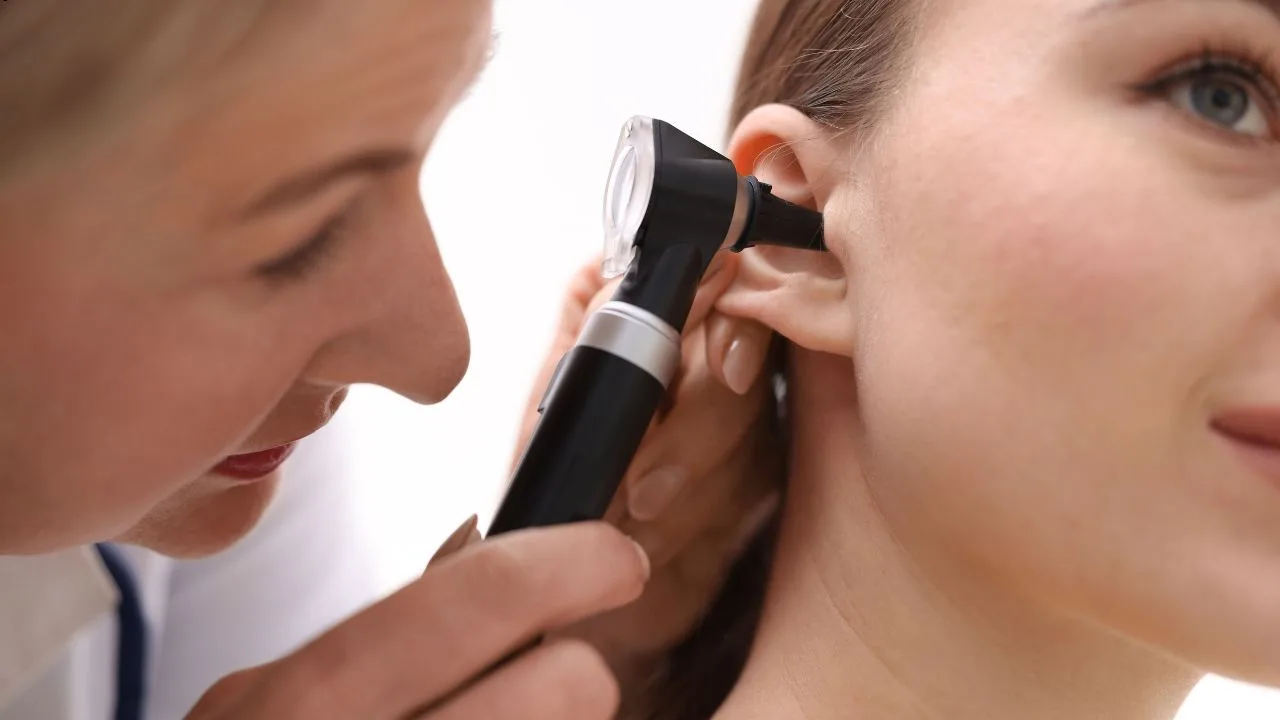
On arrival, the clinician will carry out a brief consultation and examine both ears using an otoscope. This initial assessment allows them to see the extent and nature of the wax build-up, confirm there are no contraindications, and decide whether microsuction or another method is most appropriate.
If microsuction is the right approach, you will be seated comfortably while the clinician uses a small speculum to gently open the ear canal. The suction device is introduced under magnification, and the wax is carefully drawn out. Most patients describe feeling a mild whooshing or vibrating sensation during the procedure. Pain is not a typical feature when the treatment is carried out by an experienced clinician.
The procedure for both ears usually takes between 15 and 30 minutes. Afterwards, the clinician will re-examine the ear canal to confirm it has been cleared and will advise on any relevant aftercare or follow-up.
Many clinics offering microsuction London services also use video otoscopy, which allows patients to see their ear canal on a small screen both before and after treatment. For those who have never had their ears professionally examined, this visual confirmation is both informative and reassuring.
How to Choose the Right Ear Care Clinic
With a range of private ear care providers operating across London, knowing what to look for helps you make a confident choice.
Qualified and registered clinicians. Microsuction should only be performed by audiologists, ear care nurses, or ENT specialists with appropriate professional registration. Always check credentials before booking.
Proper clinical equipment. A reputable clinic uses a regulated suction device paired with a binocular microscope or quality ENT loupes. Clinics cutting corners on equipment introduce unnecessary risk to what is otherwise a very safe procedure.
A thorough pre-treatment assessment. No responsible clinician should proceed to treatment without first examining the ears and taking a brief medical history. This step exists to protect the patient.
Transparency around pricing. Standard private microsuction appointments covering both ears typically cost between PS55 and PS90 in London. Providers at the very low end of this range may not reflect proper clinical infrastructure.
Accessible locations and flexible booking. For busy Londoners, the ability to book online, find a nearby clinic, and access evening or weekend appointments removes the practical barriers that often delay people from addressing symptoms they have been living with for weeks.
Protecting Your Hearing Long Term
Once your ears have been professionally cleared, a small number of simple habits can significantly reduce the likelihood of recurring build-up.
Using two or three drops of olive oil or almond oil in each ear two to three times per week keeps wax softer and supports natural migration outward. This is particularly beneficial for hearing aid users and those who regularly use in-ear headphones, both of which physically interrupt the natural clearing process.
Avoiding cotton buds completely is the single most impactful preventative measure most people can take.
If you find yourself returning for treatment every few months, it is worth discussing a maintenance plan with your clinician rather than waiting for symptoms to develop. Some patients benefit considerably from a proactive, scheduled approach to ear care.
Final Thoughts
Your ears are remarkably capable organs. They process sound in milliseconds, filter background noise, and contribute to your balance and spatial awareness every moment of the day. When they are not functioning well, the impact on daily life accumulates quickly: strained conversations, turned-up volumes, the low-level exhaustion of working harder to hear.
The good news is that for the vast majority of people experiencing blocked ears, the solution is closer, faster, and more comfortable than most expect. Choosing a qualified specialist and allowing a professional to do what they are trained to do is almost always the right call.
Do not put off addressing something so easily resolved.