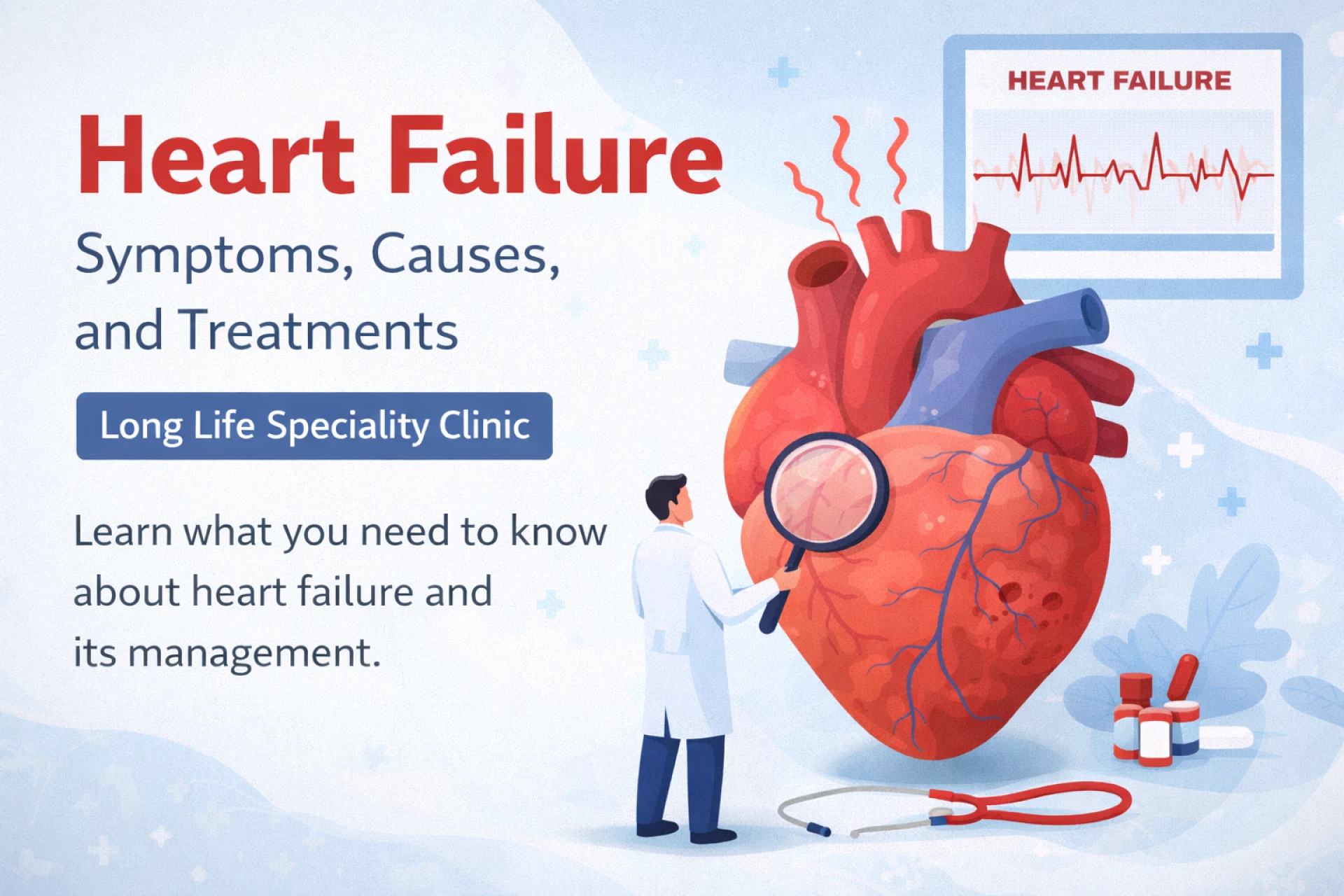
Heart failure is a serious health condition that occurs when the heart is unable to pump blood effectively to meet the body's needs. While it might sound alarming, heart failure is not a single disease, but a collection of symptoms resulting from various heart conditions. Understanding heart failure, its causes, symptoms, and treatments can help individuals take proactive steps toward maintaining their heart health.
What is Heart Failure?
Heart failure, also known as congestive heart failure (CHF), occurs when the heart's pumping capacity diminishes. As a result, the heart cannot provide enough oxygen and nutrients to the body's organs and tissues. It can affect either the left or right side of the heart or both sides. Left-sided heart failure, the most common form, leads to fluid buildup in the lungs, causing difficulty in breathing. Right-sided heart failure often results in fluid accumulation in the abdomen, legs, and feet.
While heart failure can happen to anyone, it is more common in older adults, especially those with underlying health conditions such as coronary artery disease, high blood pressure, or diabetes.
Common Symptoms of Heart Failure
Recognizing the symptoms of heart failure early on can help in managing the condition and preventing further complications. Some of the most common symptoms include:
Shortness of Breath
Shortness of breath, especially during physical activity or while lying down, is one of the earliest signs of heart failure. Fluid buildup in the lungs makes it difficult to breathe, leading to this common symptom.
Fatigue and Weakness
As the heart struggles to pump enough blood, individuals may experience fatigue and a general sense of weakness. Everyday tasks that were once easy, such as walking or climbing stairs, can become exhausting.
Swelling in the Legs, Ankles, or Feet
In right-sided heart failure, the heart's inability to pump blood efficiently causes fluid to accumulate in the lower body. This can result in noticeable swelling, especially in the legs, ankles, and feet.
Rapid or Irregular Heartbeat
People with heart failure may notice an irregular or rapid heartbeat, as the heart works harder to compensate for its reduced pumping ability.
Persistent Cough or Wheezing
Fluid buildup in the lungs can also cause a persistent cough or wheezing, especially when lying down.
Lack of Appetite and Nausea
Poor blood flow can affect the digestive system, leading to a lack of appetite or feelings of nausea.
If you or a loved one experiences any of these symptoms, it is essential to consult a healthcare provider. Early detection and intervention can significantly improve the outcome.
Causes of Heart Failure
Heart failure is often caused by a variety of factors, each contributing to the heart's weakened state. Some of the most common causes include:
Coronary Artery Disease (CAD)
CAD occurs when the coronary arteries become narrow or blocked, restricting blood flow to the heart. Over time, this reduces the heart's ability to pump blood effectively and can lead to heart failure.
Blood Pressure (Hypertension)
Chronic high blood pressure forces the heart to work harder to pump blood, which can lead to the thickening of the heart muscles. Eventually, this can weaken the heart and lead to heart failure.
Heart Attacks
A heart attack can cause damage to the heart muscle, leaving it scarred and unable to pump blood efficiently. If untreated, this damage can lead to heart failure.
Valvular Heart Disease
Heart valves help regulate blood flow through the heart. When the valves are damaged or malfunctioning, it can cause blood to flow backward or leak, leading to heart failure over time.
Diabetes
Diabetes can lead to high blood pressure and coronary artery disease, both of which increase the risk of heart failure. People with poorly controlled diabetes are at a higher risk of developing heart failure.
Cardiomyopathy
Cardiomyopathy is a condition where the heart muscle becomes weakened or enlarged, impairing its ability to pump blood effectively. It can be caused by various factors, including genetics, infections, or alcohol use.
Arrhythmias
Abnormal heart rhythms, such as atrial fibrillation, can contribute to heart failure by impairing the heart's ability to pump blood effectively.
Treatment Options for Heart Failure
While heart failure is a serious condition, several treatment options are available to manage symptoms and improve quality of life. Treatment plans may include lifestyle changes, medications, and in some cases, surgical interventions.
Lifestyle Changes
- Dietary Adjustments: Reducing salt intake is crucial for managing heart failure, as salt can cause the body to retain fluid. Eating a balanced diet with plenty of fruits, vegetables, and lean proteins can support overall heart health.
- Exercise: While rest is important, regular, moderate exercise can help improve heart function and overall health. Consult with a doctor before starting an exercise regimen.
- Weight Management: Maintaining a healthy weight can reduce strain on the heart. Obesity is a major risk factor for heart failure.
- Avoiding Alcohol and Smoking: Both smoking and excessive alcohol consumption can exacerbate heart failure symptoms. Quitting smoking and limiting alcohol intake are essential for managing the condition.
Medications
Several medications can help manage heart failure, including:
- ACE Inhibitors or ARBs: These medications help relax blood vessels and reduce the heart’s workload.
- Beta-Blockers: Used to slow the heart rate and improve heart function.
- Diuretics: These help reduce fluid buildup in the body, easing symptoms like swelling and shortness of breath.
- Aldosterone Antagonists: These help prevent fluid retention and reduce blood pressure.
- Blood Thinners: If arrhythmias or blood clots are present, anticoagulants may be prescribed.
Surgical Treatments
In severe cases of heart failure, surgery may be required. Common surgical interventions include:
- Implantable Cardioverter Defibrillators (ICD): These devices monitor heart rhythms and can deliver shocks to restore a normal heartbeat in case of life-threatening arrhythmias.
- Heart Valve Repair or Replacement: If valve damage is contributing to heart failure, surgery may be needed to repair or replace the damaged valve.
- Heart Transplant: In cases where other treatments are ineffective, a heart transplant may be considered as a last resort.
When to See a Doctor?
If you experience any symptoms of heart failure, such as shortness of breath, swelling in the legs, or fatigue, it is essential to seek medical advice promptly. Early intervention can improve the quality of life and potentially reverse some of the damage caused by heart failure. Consulting the best cardiologists in Mukundapur at Long Life Speciality Clinic can provide you with the expertise needed to manage your heart health effectively.
Conclusion
Heart failure is a complex condition, but with the right treatment and lifestyle changes, it can be managed effectively. If you or someone you know is experiencing symptoms of heart failure, don’t delay in seeking medical advice. With timely intervention and proper care, many individuals with heart failure lead full, active lives.
For personalized care and expert advice on heart failure, consult the best cardiologists in Mukundapur at Long Life Speciality Clinic. Their team is dedicated to providing compassionate care and helping patients manage their heart health for a longer, healthier life.