
Many vehicles reach a stage where repairs no longer make sense. Parts wear out, engines fail, and rust spreads through the body. When this happens, owners often look for ways to remove the vehicle from their property. Leaving an unwanted car parked at home only takes space and may create environmental problems if fluids begin to leak. Car recycling services collect such vehicles and send them for dismantling and material recovery. Understanding the process helps owners know what will happen once they decide to remove their vehicle.
Why Old Cars Are Sent for Removal
Vehicles are built to last for many years, but mechanical parts do not last forever. Engines, transmissions, and suspension components wear down over time. According to automotive studies, many cars start showing major mechanical issues after ten to fifteen years of use. Repairing these problems may cost more than the actual market worth of the vehicle.
Safety is another important reason. A car with worn brakes, damaged steering components, or rust in the structure can create risk on the road. In Australia, road safety inspections exist to ensure vehicles meet minimum standards. When a car fails these checks, owners often decide that removing the vehicle is a more sensible option than spending money on repairs.
When a Vehicle Is No Longer Worth Repairing
There are situations where a vehicle simply cannot be repaired in a practical way. Severe accident damage, heavy rust, or engine failure may make repairs extremely expensive. In such cases, owners decide that removal is the most practical choice.
A free car removal ipswich service usually handles the entire process. The vehicle is collected from the property, transported to a dismantling yard, and processed for recycling. Most of the vehicle materials are recovered and returned to manufacturing industries rather than becoming waste.
The First Step When Contacting a Removal Service
The process normally begins with a call or online enquiry. Owners usually provide basic information about their vehicle. This information helps the company understand the condition of the car before arranging collection.
Common details requested include the make and model of the vehicle, the year it was manufactured, the general condition, and the location where it is parked. If the vehicle has accident damage or missing parts, this information is also shared. Once these details are confirmed, a collection time is arranged so the vehicle can be transported to a recycling facility.
Vehicle Collection and Transport
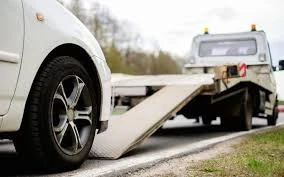
On the scheduled day, the collection team arrives with a towing vehicle or flatbed truck. They perform a brief inspection to confirm the details already shared by the owner. This inspection focuses mainly on identifying the vehicle and checking whether it can move or needs towing equipment.
If the car cannot start or move, a winch is used to pull it onto the towing truck. Hydraulic lifts may also be used for damaged vehicles with flat tyres or broken suspension parts. These tools allow the team to load the vehicle safely without causing damage to the surrounding area. Once the vehicle is secured, it is transported to a dismantling yard or recycling facility.
Visit for more info: https://onspotcashforcars.com.au/
Paperwork and Ownership Requirements
Vehicle disposal involves certain documentation to confirm legal ownership. In many cases, the owner may be asked to show identification or registration papers. These documents confirm that the vehicle belongs to the person arranging the removal.
In Queensland, vehicle owners often notify transport authorities when a vehicle is scrapped or permanently removed from use. This step helps maintain accurate records and ensures the vehicle identification is not misused later. Completing the paperwork protects the former owner from future responsibility connected with the vehicle.
What Happens After the Vehicle Reaches the Yard
Once the vehicle arrives at the recycling yard, technicians begin the dismantling process. This process happens in several stages to ensure materials are recovered correctly and hazardous substances are handled safely.
The first stage usually involves draining fluids from the vehicle. Cars contain several liquids that must be removed before dismantling begins. These include engine oil, transmission fluid, brake fluid, coolant, and fuel. If these fluids enter soil or waterways, they can cause environmental damage. Recycling yards use specialised equipment to collect and store these substances safely.
Environmental Importance of Car Recycling
Car recycling plays an important role in protecting the environment. Australia produces a large amount of automotive waste every year. Without recycling systems, much of this waste would end up in landfill sites.
Studies show that around seventy five percent of a vehicle can be recycled. Steel recovered from old vehicles is widely used again in construction and manufacturing. Recycling steel uses far less energy compared to producing it from raw iron ore.
Preparing Your Vehicle Before Collection
Before the collection team arrives, owners often check the vehicle for personal belongings. Items may remain inside the glove box, boot, or under seats. Removing these items ensures nothing important is lost during the removal process.
Owners may also remove number plates if required by transport regulations. Checking paperwork and keeping identification ready can also help avoid delays during collection.
Final Thoughts
Vehicles eventually reach the end of their driving life. Mechanical failures, safety concerns, and high repair costs make continued use difficult. Car recycling services provide a structured process to deal with such vehicles.
The process begins with a request for collection and continues with transportation, dismantling, and recycling of materials. Many components are reused, and metal from the vehicle body returns to manufacturing industries. This process reduces waste and supports responsible use of natural resources.