
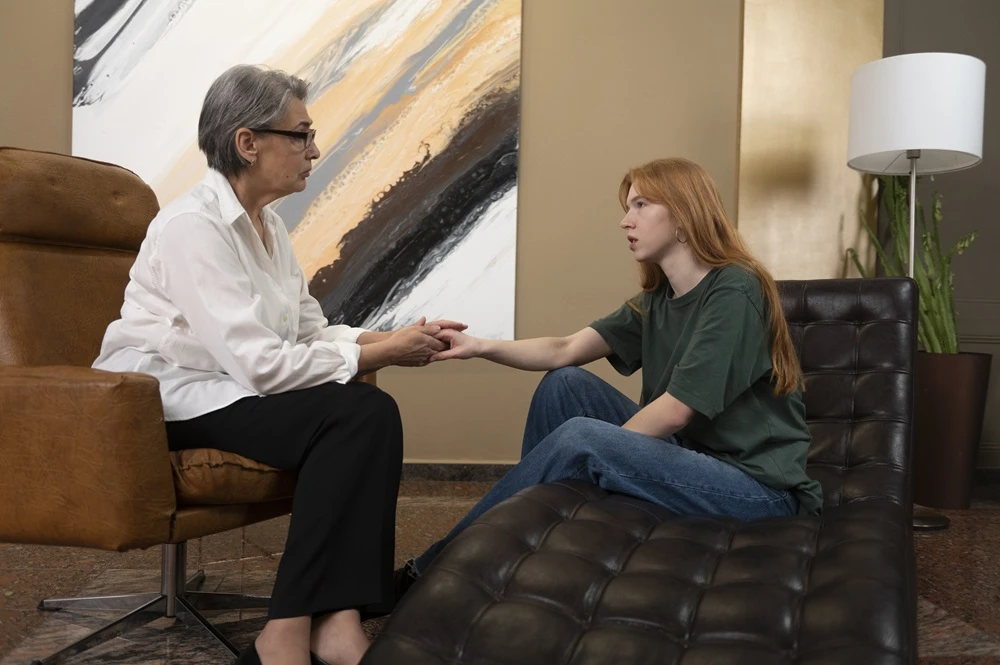
Through your NDIS plan, starting with a professional psychologist can bring up mixed emotions for you. You may feel nervous or just unsure about what will actually happen in your first NDIS appointment. The first step focus on knowing more about you, your needs and setting up a support path that works for you.
This blog will help you to know what to expect when accessing your first NDIS psychology services. You will also know how these NDIS psychology services can help you or your family member feel more in control and confident.
What Are NDIS Psychology Services All About?
NDIS psychology services are designed to help those people who want to build capacity and want to improve how they manage their emotions, relationships, daily routines and challenges. These services focus on life skills as well as emotional wellbeing rather than medical diagnosis.
The role of a psychologist within NDIS allied health is to support things like:
• Emotional regulation
• Developing daily routines
• Social skills and confidence
• Managing anxiety or low mood
• Behavioural support
• Coping strategies for day-to-day life
These supports are designed to your needs as well as your goals. They work in partnership with your other NDIS experts to help you live a more independent life.
Before the Appointment: Getting Prepared
Check What Your NDIS Plan Covers
Make sure your plan has funding for psychology services under categories like Capacity Building or Improved Daily Living. If you are unsure, your plan manager can help clarify the entire process.
Choose a Psychologist Who Understands NDIS
You must look for someone who is experienced in working with people under the NDIS. It helps when they understand how your funding works and the specific challenges people with disability face.
Don’t be afraid to ask questions like:
• “Do you have experience working with clients on the NDIS?”
• “Can you provide support reports or updates for plan reviews?”
• “Are sessions offered in-person, online or both?”
Gather Any Helpful Information
Bringing relevant documents can help your psychologist get a clearer picture early on. That might include:
• Your NDIS goals
• Medical or therapy reports
• Previous assessments
• A list of current supports you already use
It’s also helpful to note down anything you’d like to work on or concerns you’ve had.
What Happens in the First Psychology Session
Every expert psychologist will have their own style, but here is what usually takes place in a first NDIS session:
1. Welcome and Getting Comfortable
You will be introduced to the psychologist and the space. If it is a telehealth session, they will check in on how comfortable you are using the technology. The first part of the session is often spent getting to know each other and building a sense of safety and trust.
2. Explaining How Things Work
Your psychologist will explain:
• The purpose of NDIS psychology services
• Your rights & responsibilities
• What confidentiality means
• What to expect from sessions going forward
You will also discuss how your NDIS plan can be used to fund the therapy, how progress will be tracked & how often you will meet.
3. Talking About Your Life and Goals
You’ll have a chance to talk about:
• What your daily life looks like
• Challenges you’re facing
• How you feel emotionally and socially
• What kind of support you’re receiving
You might also start to identify some goals you’d like to work towards, such as feeling more in control of emotions, building better relationships or developing better daily habits.
4. Assessments or Questionnaires (if needed)
To get a clearer understanding, experts might use tools or questions to measure how you are functioning emotionally as well as behaviourally. These is a way to track where you are at and how therapy can help you.
5. Outlining a Plan Together
By the end of your first session, you and your psychologist will likely outline a rough plan for what you will focus on over the next few weeks or months. This may include:
• Key goals
• The number of sessions
• Whether therapy will be face-to-face or online
• Tools or strategies to try between sessions
You may be given something small to work on at home like writing down your thoughts, trying a calming technique or reflecting on situations that have been challenging.
How NDIS Psychology Differs From Other Mental Health Support
One of the common questions in the mind of people have how NDIS-funded psychology differs from what you’d get through your GP or the health system.
The difference is this: NDIS psychology focuses on improving everyday functioning, emotional resilience and community participation not clinical diagnoses or medical treatment.
So while a psychologist might help with anxiety, for example, the focus is on building your confidence and routines rather than giving you a medical label or prescribing medication.
If you already see a GP, psychiatrist or receive support through the public system, NDIS services are designed to complement, not replace, that care.
Helpful Questions to Ask in Your First Session
Here are some things you might want to ask to better understand your supports:
• What kind of therapy or techniques do you use?
• How will we know if the therapy is working?
• Can my support coordinator or family be involved?
• What happens if I feel uncomfortable or want to stop?
• How will you communicate with my other therapists or support team?
Don’t forget to ask these vital questions that helps ensure your therapy feels supportive, collaborative and clear from the beginning.
After the First Appointment: What Comes Next
Once the initial appointment is done, your psychologist may:
• Send you a summary of the session or plan
• Suggest a regular session schedule
• Recommend tools or resources to explore
• Begin building a detailed therapy plan around your NDIS goals
You will gradually start working through practical strategies to help you manage your challenges more independently & confidently.
Over time, you will also have regular reviews where you and your therapist can check on your progress, tweak your goals or change approaches if needed.
Tips to Make the Most of Your NDIS Psychology Services
1. Be Open and Honest
The more honest you are about how you are feeling or what’s tough for you, the more experts can help.
2. Keep a Notebook or Journal
Don’t forget to write down your thoughts between appointments that can help you track your progress and remember what you want to bring up next session.
3. Get Involved in the Process
You are the expert on your own life. Speak up if something’s not working or if you want to try something new.
4. Stay Consistent Where Possible
According to the experts, psychology services work best when you stick with it. As we know, consistency builds trust and gives time for real change.
Final Thoughts
For the first time, starting with NDIS psychology services may feel challenging and stressful for you, but the first session is just the beginning of your supportive journey.
You don’t need to do anything. You need to come as you are and let the process unfold for you step by step.