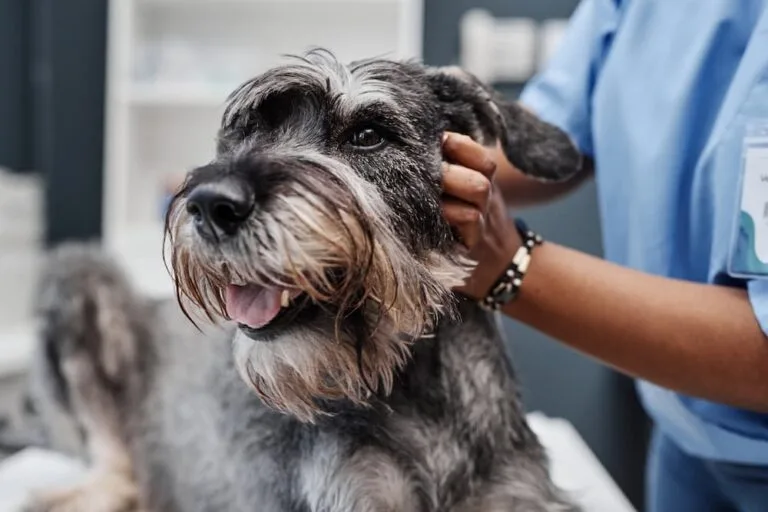
When your dog starts to show a little gray around the muzzle, it means they're moving into their senior years. Just like people, dogs go through changes as they age—some are obvious, like slowing down on walks, while others are more subtle. This stage of life doesn't mean less joy; it simply means your furry friend needs a little extra attention, comfort, and care.
With the right approach to Senior Dog Care, you can help your pet stay active, comfortable, and happy for as long as possible.

Understanding the Silver Snout Phase
There's no rule for when a dog becomes a senior. Several factors, including size, breed, and genetics, play a role. Generally, smaller breeds may enter "senior" status around age 9 or 10, while larger breeds often transition to this stage by age 6 or 7.
What Changes to Expect
Your aging pup might surprise you with subtle shifts:
- Mobility and Joint Health: Arthritis and stiffness become more common. A once effortless stroll might now involve hesitation, a slower gait, or snags on the stairs.
- Cognitive Shifts: Sometimes referred to as "canine dementia," this condition can lead to confusion, wandering, disrupted sleep, or a shifting demeanor.
- Sensory Adjustments: Your dog may become less responsive to their name, walk into objects, or startle more easily—signs of diminished hearing or vision.
- Body Weight Trends: A slower metabolism may cause weight gain, while dental issues or gastrointestinal changes may lead to weight loss.
- Chronic Health Conditions: Aging elevates the risk of kidney, heart, thyroid issues, diabetes—you name it. Early detection is a game-changer.
Why Senior Wellness Exams are Important

A good vet clinic will give you strong, twice-yearly comprehensive wellnessExams visits for senior dogs. These check-ins aren't just about "keeping tabs"—they're an opportunity to catch changes early and design a care plan that fits your companion like a glove.
A typical senior exam includes:
- From Nose to Tail Physical Exam: We assess coat, skin, joint movement, dental health, heart and lung sounds, and more.
- Diagnostics Tailored to Age: Blood panels, urinalysis, and blood pressure checks. Imaging (X-rays or ultrasound) may also uncover underlying issues before symptoms appear.
- Nutrition Discussion: Senior bodies need specialized diets. Together, we'll fine-tune their calorie intake, protein levels, joint supplements, and gut-friendly ingredients to match their evolving needs.
- Chronic Pain & Cognitive Support: Gentle interventions—from joint supplements or medications for arthritis to brain-supporting nutrients—can help your dog stay comfortable and engaged.
These visits aren't just medical—they're acts of love that help maximize your dog's quality of life.
Providing Nutrition As Per the Dog's Needs
Food plays a starring role in your senior dog's wellness:
- Calorie-Conscious Formulas: Less energy expenditure can lead to weight gain; senior diets often trim calories while delivering full nutrition.
- Joint Allies: Ingredients like omega-3s (EPA, DHA), glucosamine, and chondroitin—they help ease inflammation and support mobility.
- Brain-Boosting Antioxidants: Vitamin E, vitamin C, selenium, and beta-carotene—guardians of cognitive health as the years advance.
- Gentle on the Gut: Easily digestible proteins, fiber blend, and beneficial probiotics assist digestion and nutrient absorption.
Your vet can guide you to a diet that balances taste, ease of chewing, and health-supporting ingredients.
Keeping Movement Joyful: Gentle Exercise & Environment Upgrades
Exercise remains essential—just its nature changes:
- Low-Impact Activities: Easy-paced walks, sniffing strolls, or swimming (if available) are gentle on joints while keeping muscles engaged.
- Home Setup for Safety and Comfort: Consider ramps onto beds or couches, non-slip flooring, secure gates, and elevated water/food bowls.
- Comfort Matters: Plush beds, warm resting spots, and easy access to favorite places minimize strain and maximize serenity.
- Mind Matters: Puzzle toys, familiar training sessions, or simply quiet time together can help maintain mental sharpness and emotional well-being.
In serene environments that respect both aging bodies and curious minds, silver-snouted friends can flourish.
Watching for Red Flags at Home
You're the best observer of subtle shifts in behavior. Here's what to watch for:
- Normalize Aging Without Normalizing Pain: Limping or reluctance to jump may indicate a treatable condition related to pain. It is not just about getting old.
- Digestive or Eating Changes: If appetite dips, weight changes, or bathroom habits shift, these warrant exploration.
- Cognitive or Sensory Red Flags: Disorientation, pacing, vocalizing at night, or avoiding familiar areas—these may signal cognitive dysfunction.
- Breathing or Heart Concerns: Coughing, labored breathing, or sudden fatigue? Let us check their heart function—sometimes, early signs are subtle.
Partnering With Your Veterinarian
When aging overlaps with love and expertise, the results shine. With right vet, make this a shared journey—from preventive screenings to emotional support:
- Personalized Test Recommendations: Tests aren't one-size-fits-all. We tailor bloodwork, imaging, and wellness checks to your dog's breed, health history, and lifestyle.
- Managing Chronic Conditions: From joint supplements to kidney-friendly diets, blood pressure meds to thyroid support—we'll work with you to manage any conditions gracefully.
- Fostering Mental Wellness: Sometimes, a small change—such as routine, interactive toys, or gentle massage—makes a world of difference.
Gift of Time and Comfort
Aging isn't a problem to fix—it's a phase to respect. These years can be rich with routine, affection, and shared quiet moments. Your senior dog may walk more slowly, but their bond with you often grows deeper.
- Celebrate the Little Things: A sunset walk, a favorite napping spot, the slow wag of a tail—these are the gifts of silver years.
- Cultivate Calm: Familiar rituals and safe spaces provide your dog with the confidence and peace it needs to thrive.
- Speak Up, No Matter How Small: Got a question? Wondering about appetite, movement, or mood? A quick call or visit helps us help them thrive.
Why Do You Need a Vet for Senior Wellness?
Your companion's later years deserve more than routine—they deserve a team that listens, adapts, and cherishes every whisker and wag.
We bring:
- Compassion Rooted in Expertise — From preventive plans to personalized treatments, our whole team shares your dedication.
- Science-Backed, Warm Care — Combining detection and prevention with a heart-first approach.
- Long-Term Partnership — Because every change matters when the senior age starts.
Conclusion
Senior dog care isn't just about age; it's about honoring the journey. With the right exams, nutrition, safe movement, and mental enrichment, your dog's senior years can be some of their most meaningful.
If you're in Oakdale and looking for dedicated veterinary pet care for your aging dog, please reach out to a good clinic. This way, you can ensure that you give your senior dog the best wellness treatment.